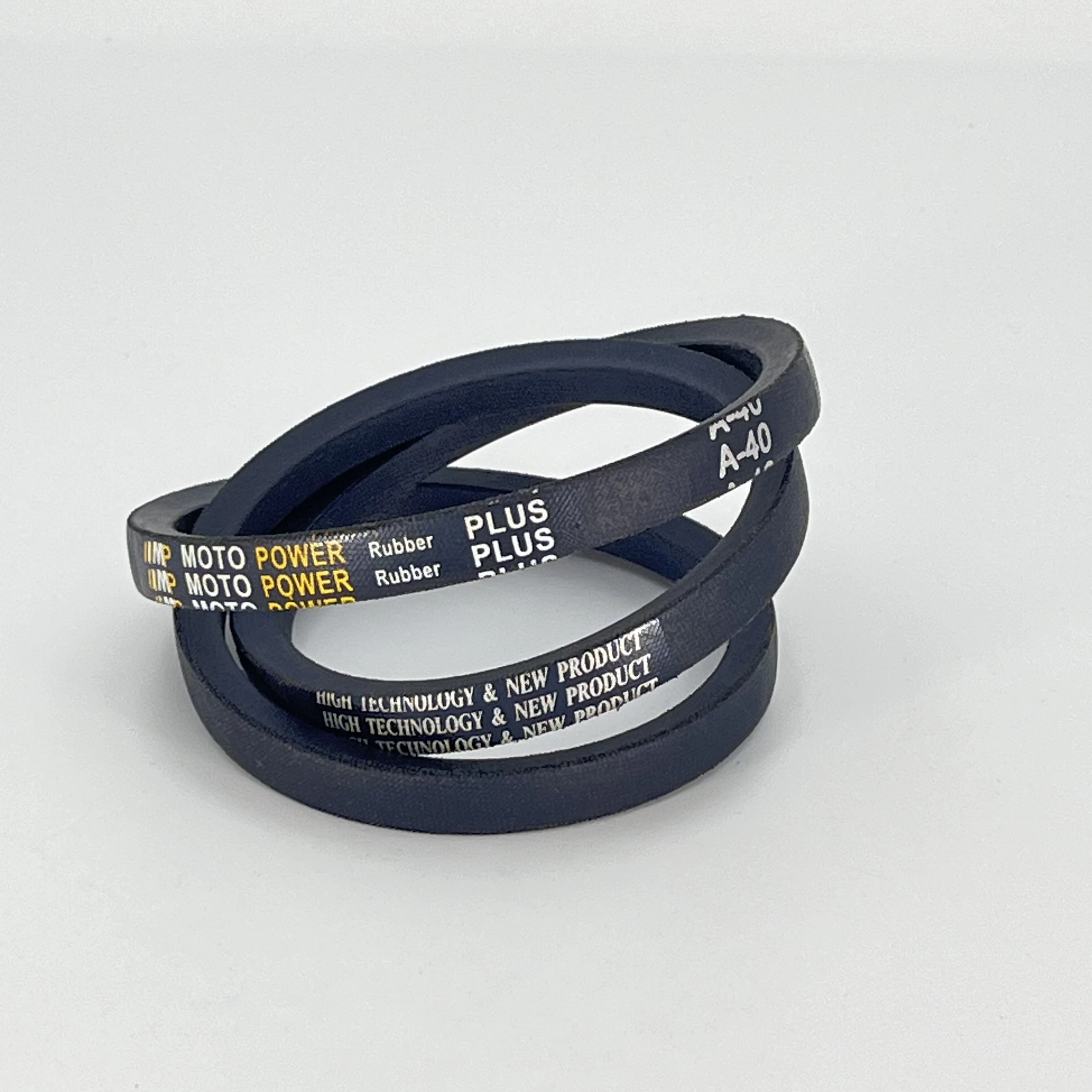
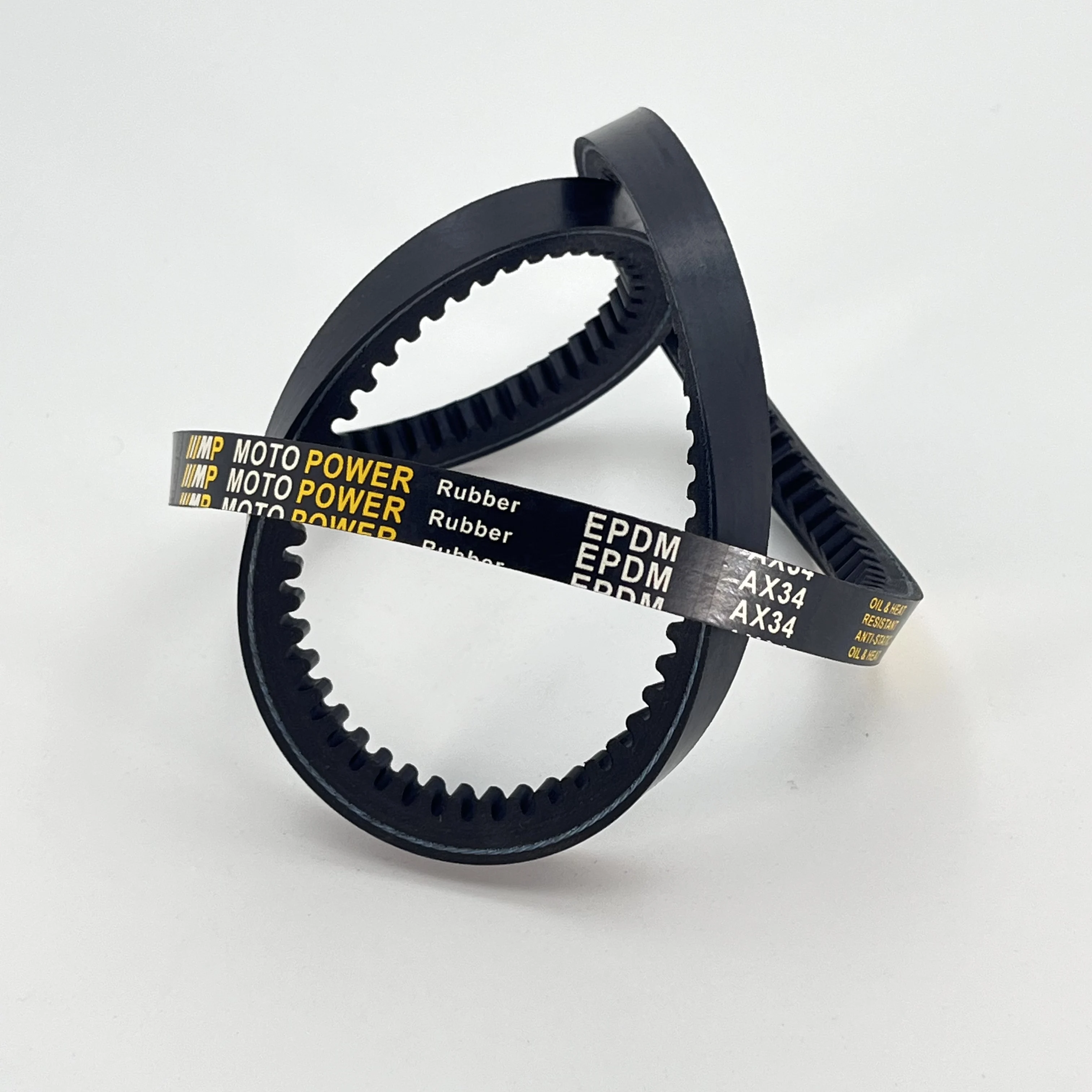
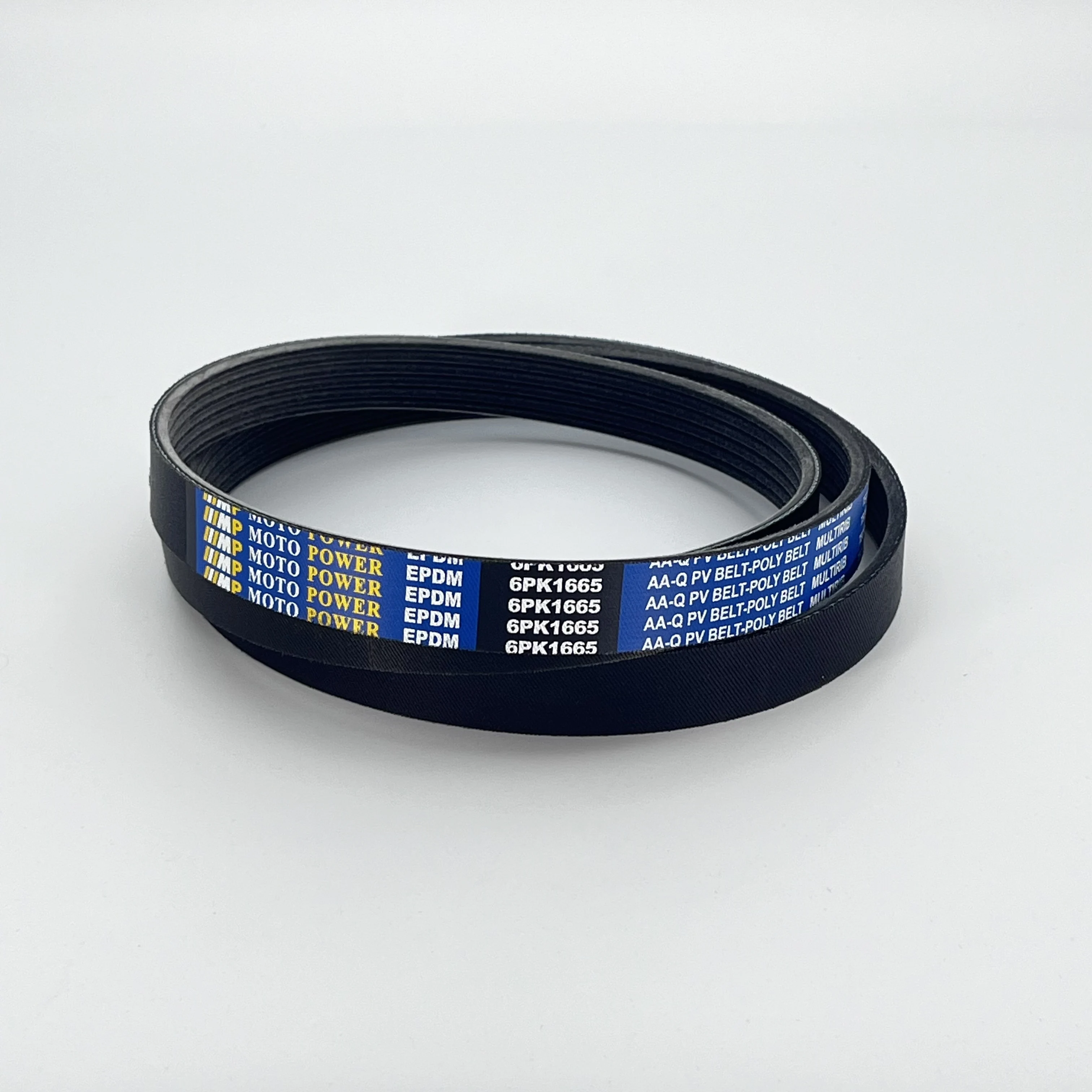
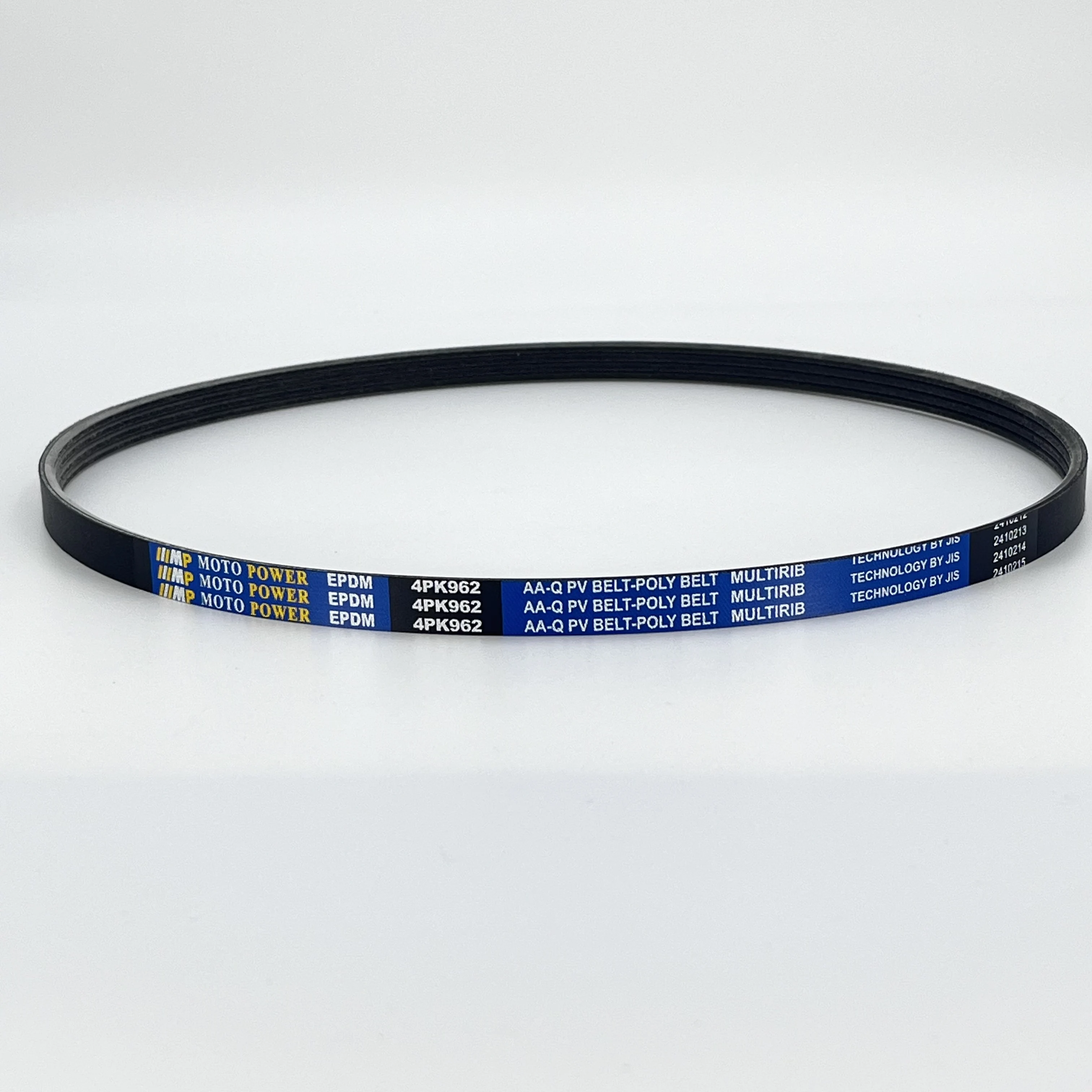
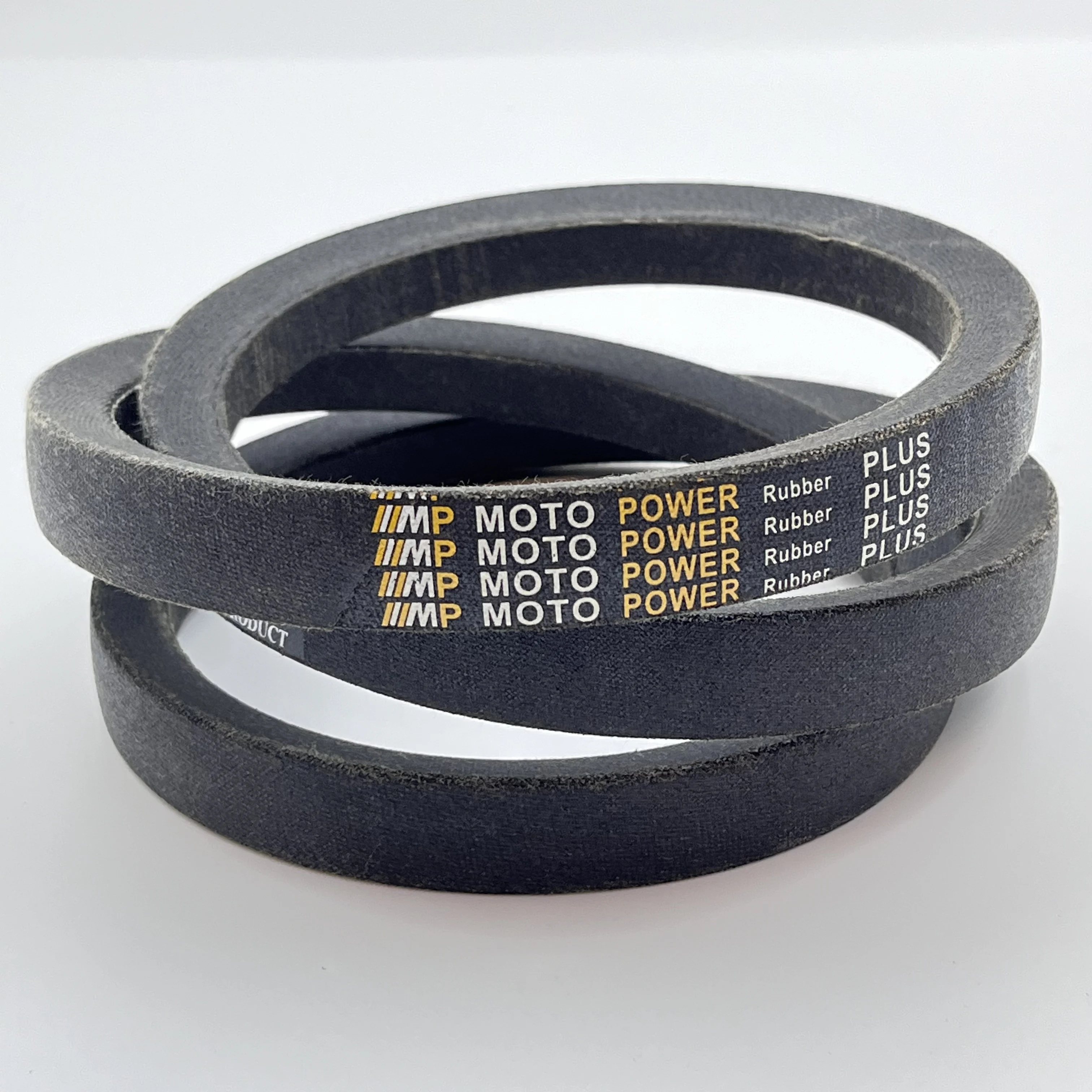
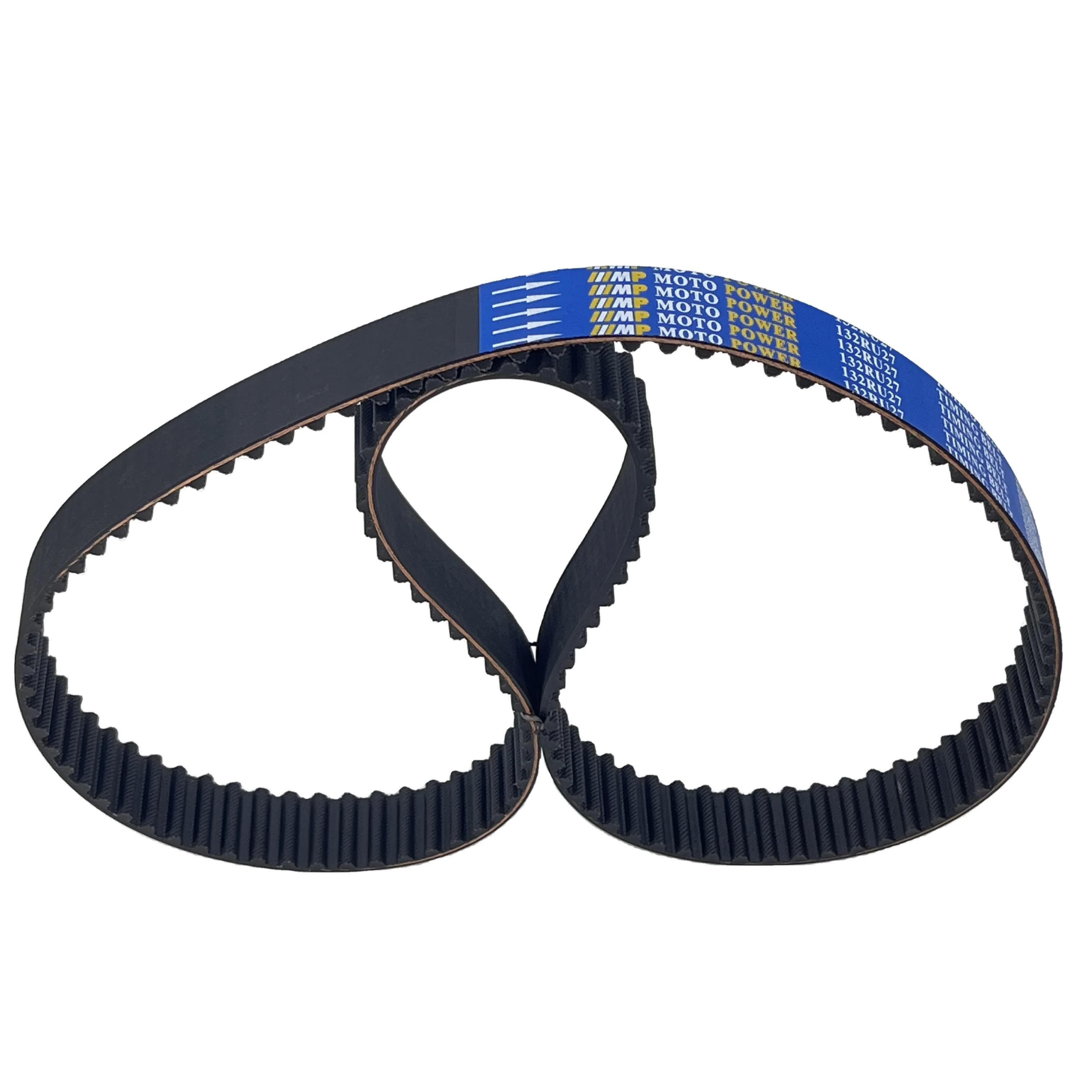
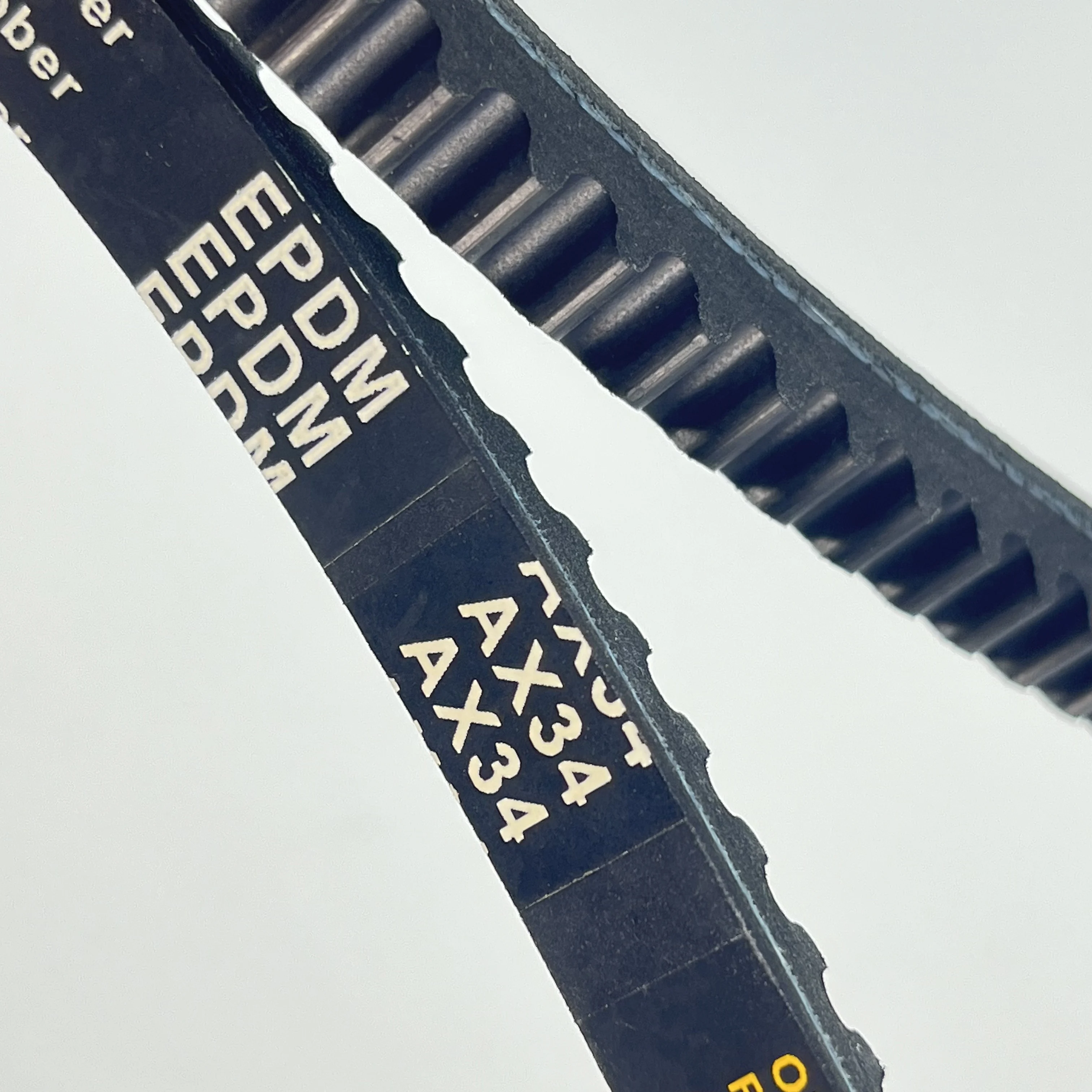
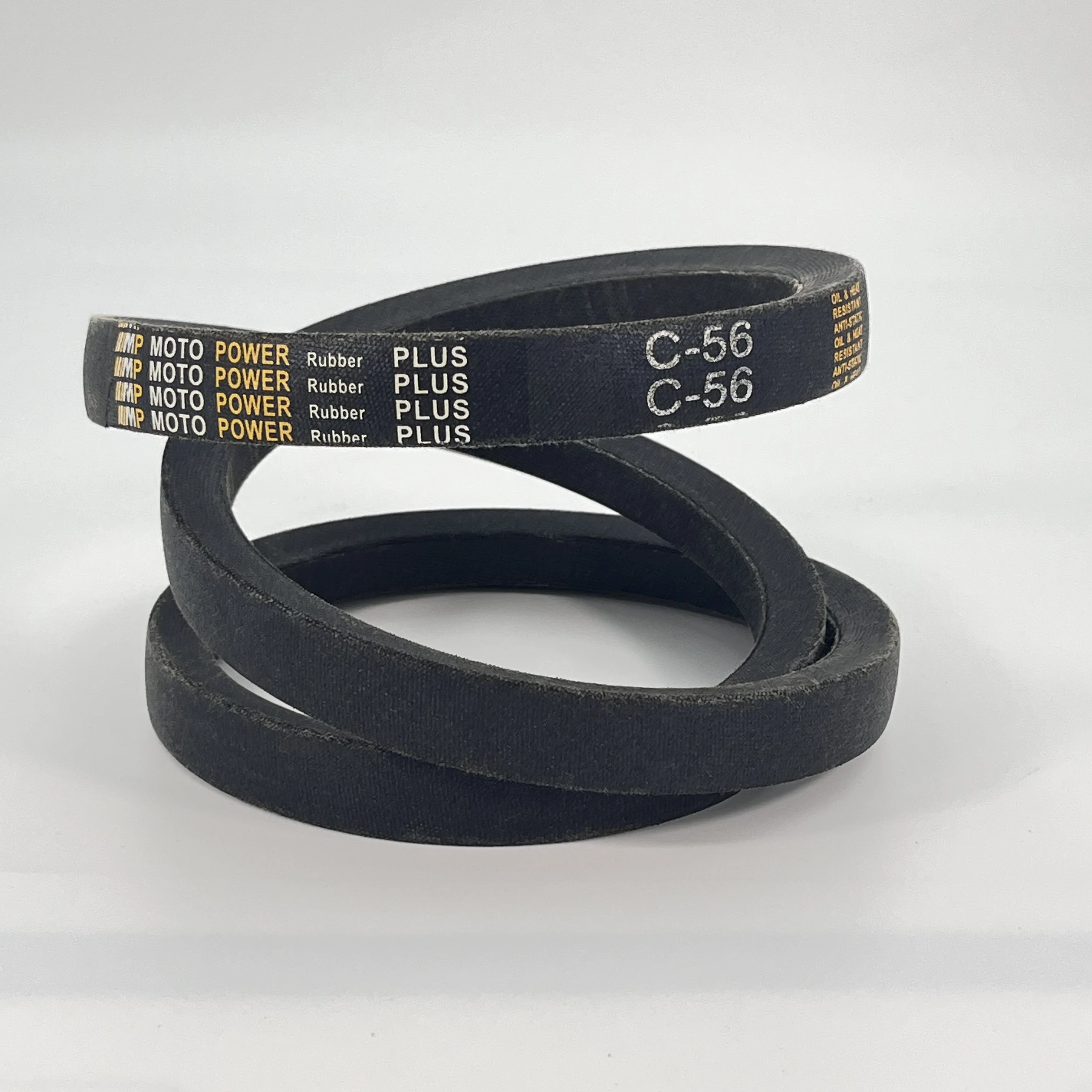
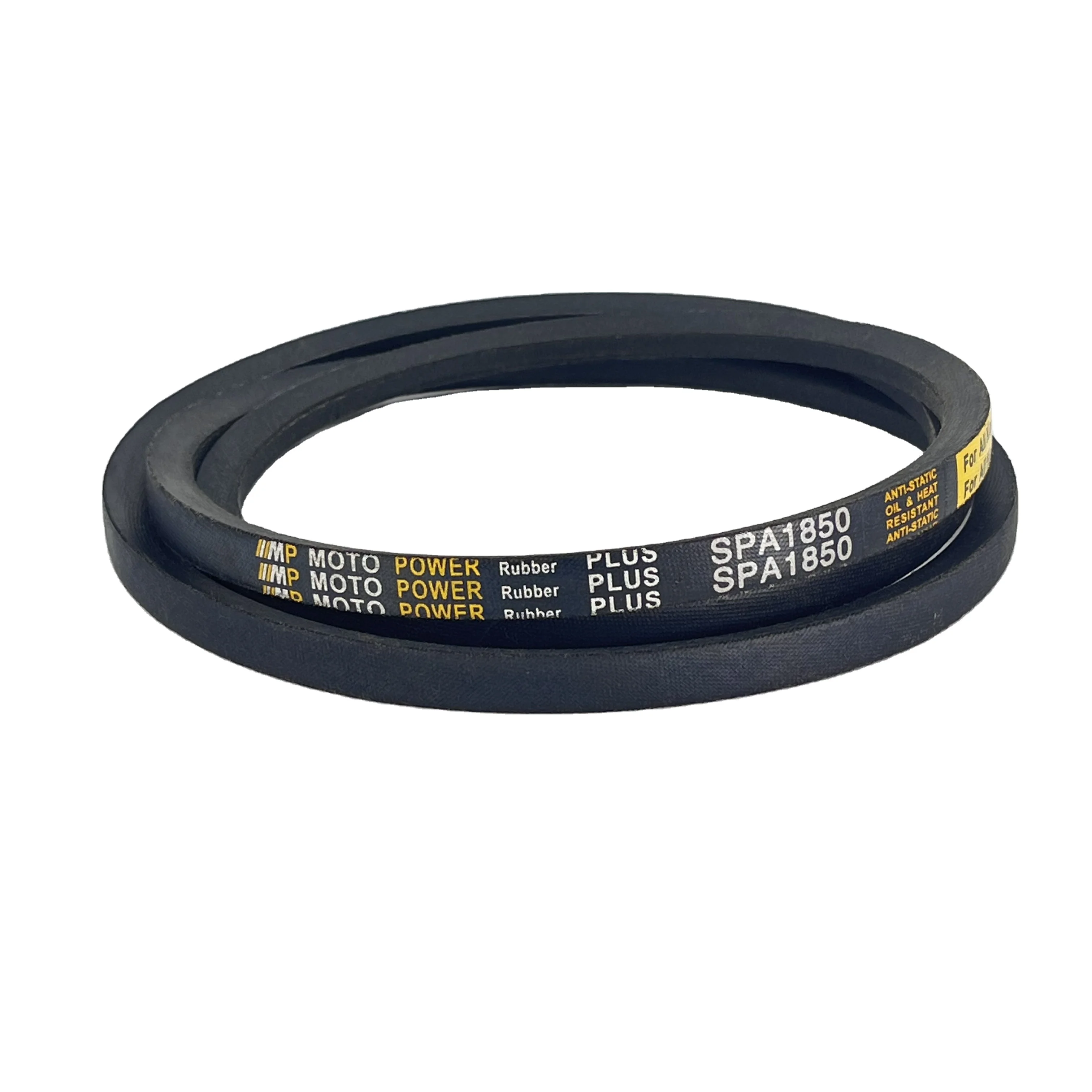
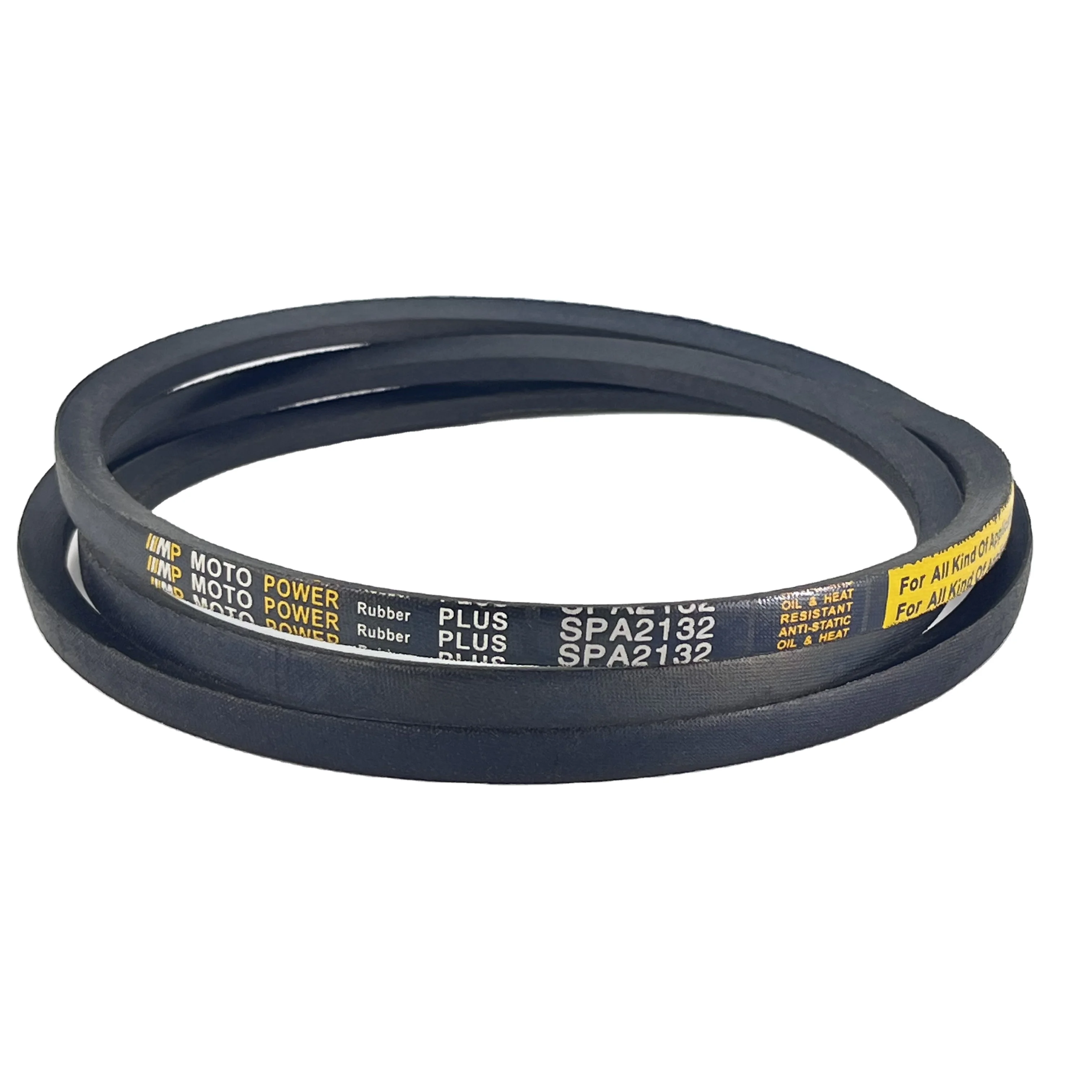
Serpentine belts are the superheroes of your car’s engine. They’re influential in turning the alternator, air conditioning and power steering pump. But as even superheroes need a little R & R every now and then, serpentine belts need to be replaced from time to time to keep the car moving smoothly. Why is that, and how often should you change it? In this post, we will explore the significance of regular serpentine belt replacement, when it’s time to replace your serpentine drive belt replacement, the pros and cons of both doing it yourself and having a professional help you, what serpentine belt replacement cost is, and how frequently you should get your ride serviced.
Every now and then your vehicle will throw you a small clue that the serpentine belt should be replaced. If you hear squeak or squeal sounds emanating from the engine, if you see cracks or fraying on the belt, or if your air-conditioning or power steering stops working, it’s time to have your serpentine belt inspected. These are not to be ignored though, because a snapped serpentine belt can leave you sitting on the shoulder.
So now you may be thinking whether you could white-knuckle your way through replacing that serpentine belt yourself, or leave your fate up to the pros. The replacing a serpentine belt can be complicated to replace and even an enthusiast doesn’t like taking on this job. You’ll need to know the size and type of belt required for your car, how to release tension on the belt and how to fit the new belt correctly. If you’re not capable, however, then you should leave this job to a professional mechanic that has the know how and experience to do it correctly.
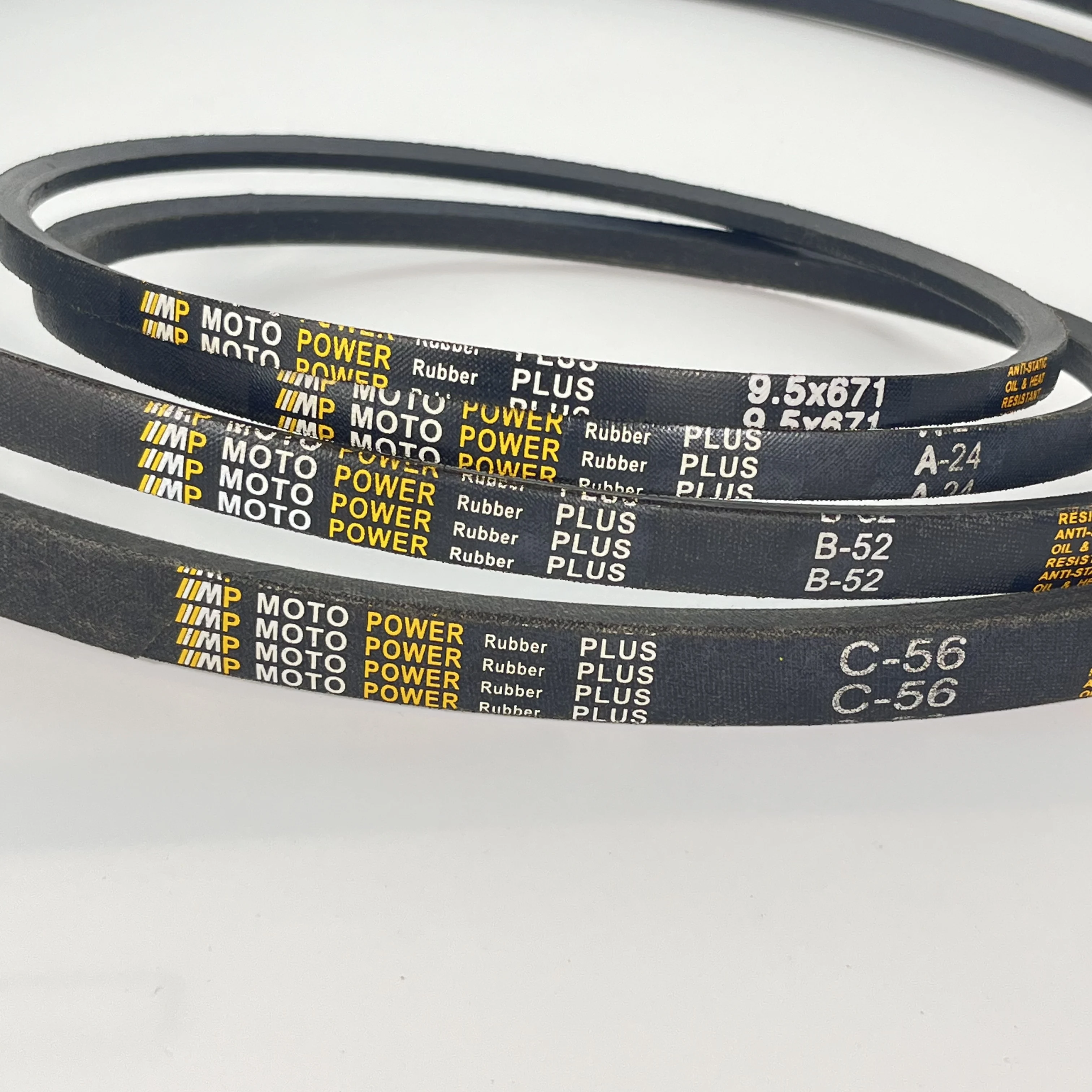
How much does It cost to replace a serpentine belt? The serpentine belt replacement cost can be anywhere from $50 to $200 Or it could be more depends on the make and model of your car, the quality of the belt and whether you can replace it yourself or if you are hiring a mechanic. A serpentine belt replacement cost is typically $75 to $200. Although this may seem like a significant sum the alternative of an expensive engine repair caused by a broken belt is worth it.
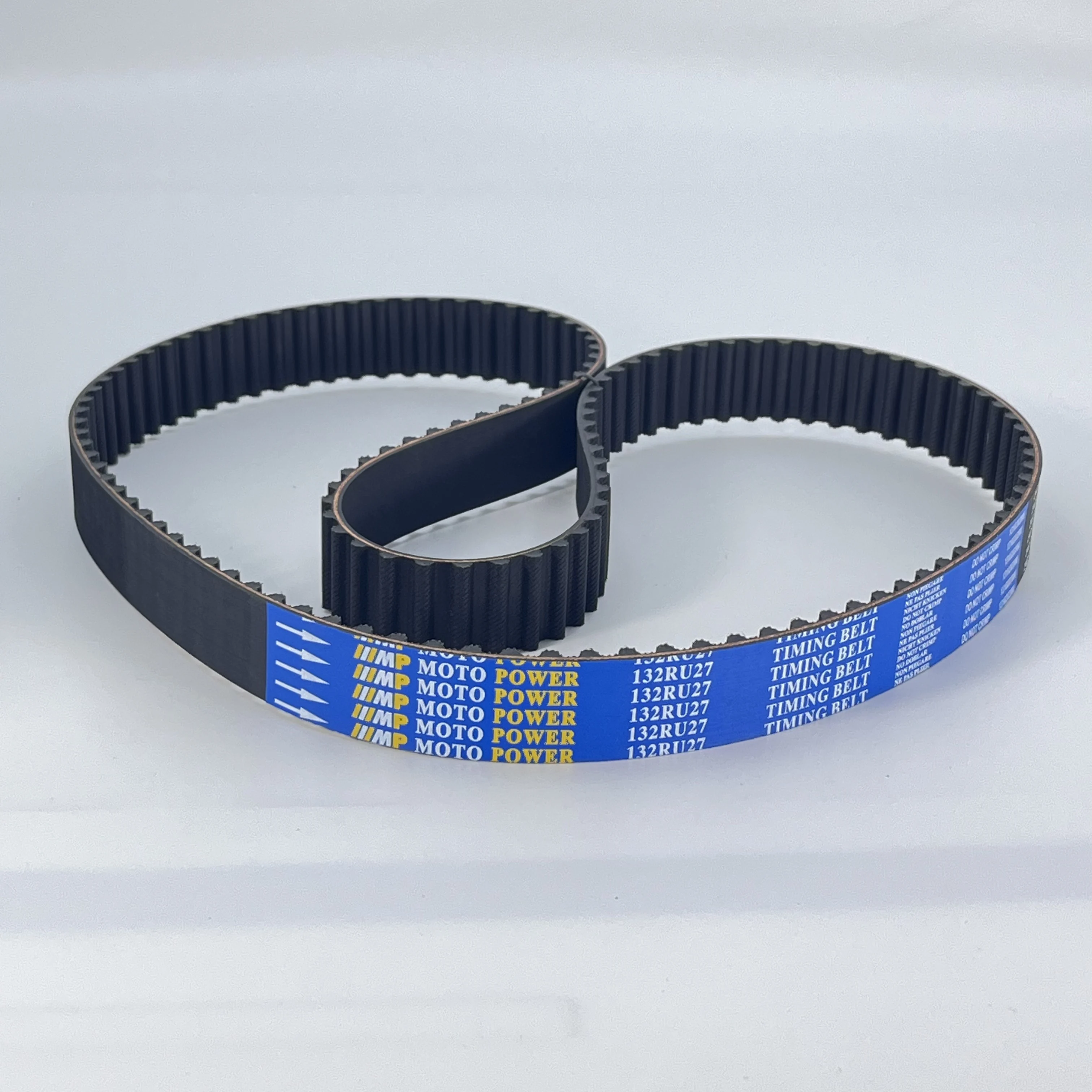
You should change your serpentine fan belt every 60,000 to 100,000 miles. But it never hurts to look in your car's maintenance manual and follow the manufacturer's recommendations. If you don’t know when the last time it was replaced, better safe than sorry for you, and have a mechanic check it for you. Don't forget prevention is the best way to keep machine moving smoothly.
We offer full-service OEM/ODM collaboration—from custom R&D and prototyping to scalable manufacturing—backed by professional technical consultation and tailored product selection to meet specific client requirements and application challenges.
Adhering to international standards with traceable production and rigorous quality control from raw materials to finished goods, we provide comprehensive after-sales support to ensure customer satisfaction, seamless cross-border logistics, and hassle-free long-term usage.
Our rubber belts are engineered for superior performance in demanding conditions, combining durable materials and innovative designs to deliver longer service life, reduced downtime, and cost-efficient operation for industrial power transmission applications.
With a 45,000-square-meter facility and an annual production capacity of 11 million pieces, our operations are supported by a specialized R&D team of 20+ experts and over 60 patented technologies, ensuring precision engineering and high-volume reliability for both OEM and aftermarket clients.

Moto Power supplies premium rubber belts including Classica V-Belt, Cogged V-Belts, Poly Ribbed V-Belt, Timing Belts and more.
No. 588, Tiantong (S) Rd, Yinzhou, Ningbo, Zhejiang, China
Copyright © Ningbo HZ International Trade Co., Ltd. All Rights Reserved - Privacy Policy - Blog
 EN
EN