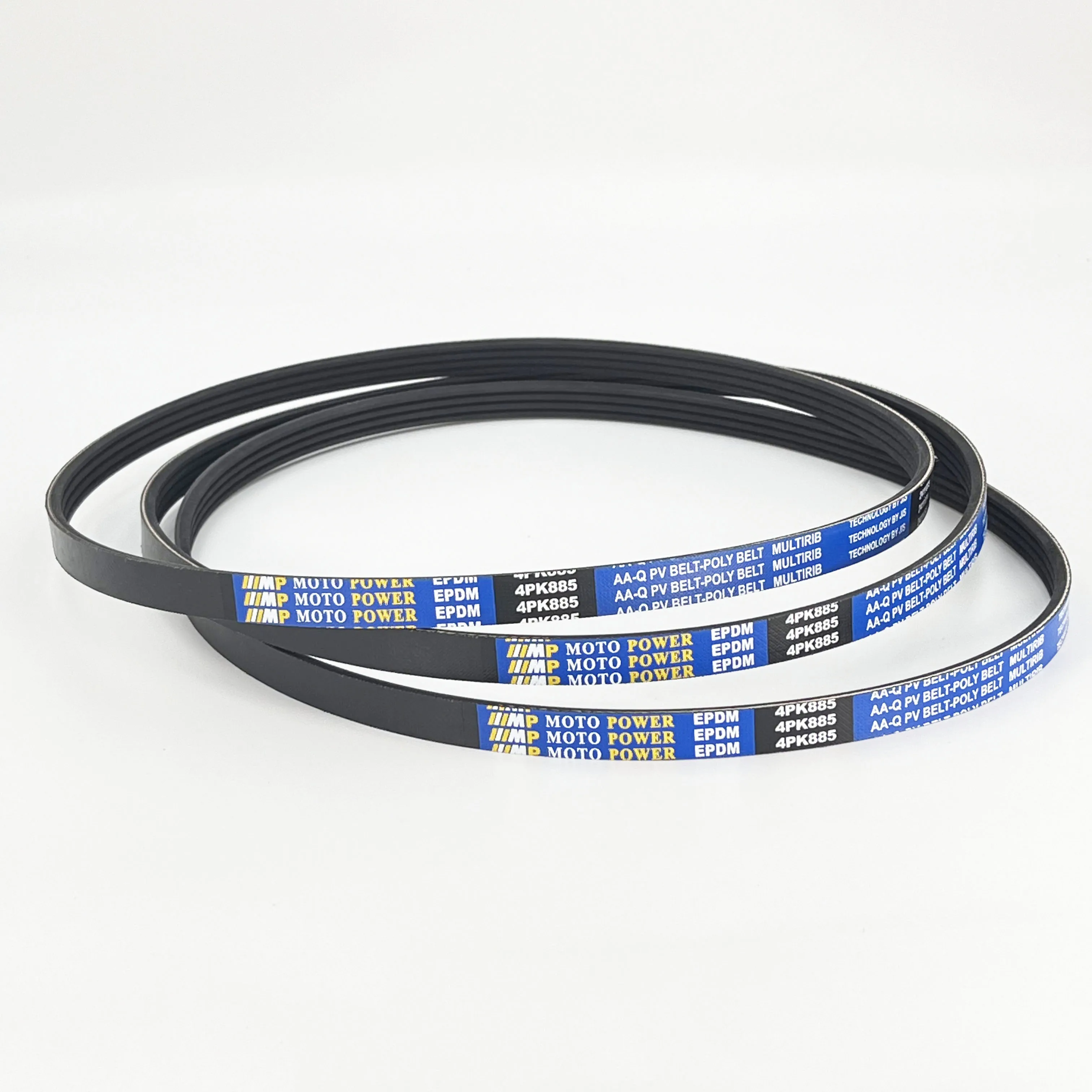
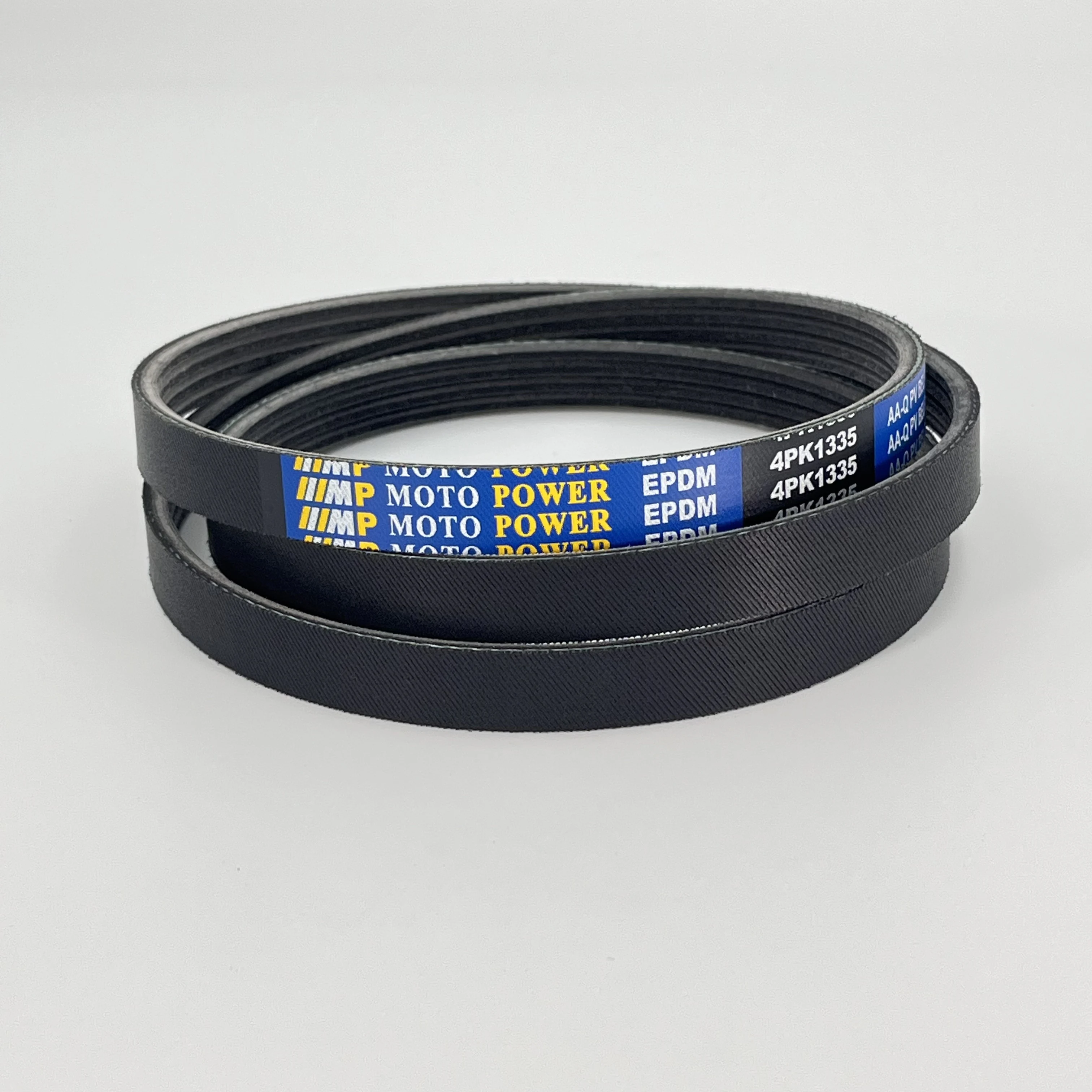
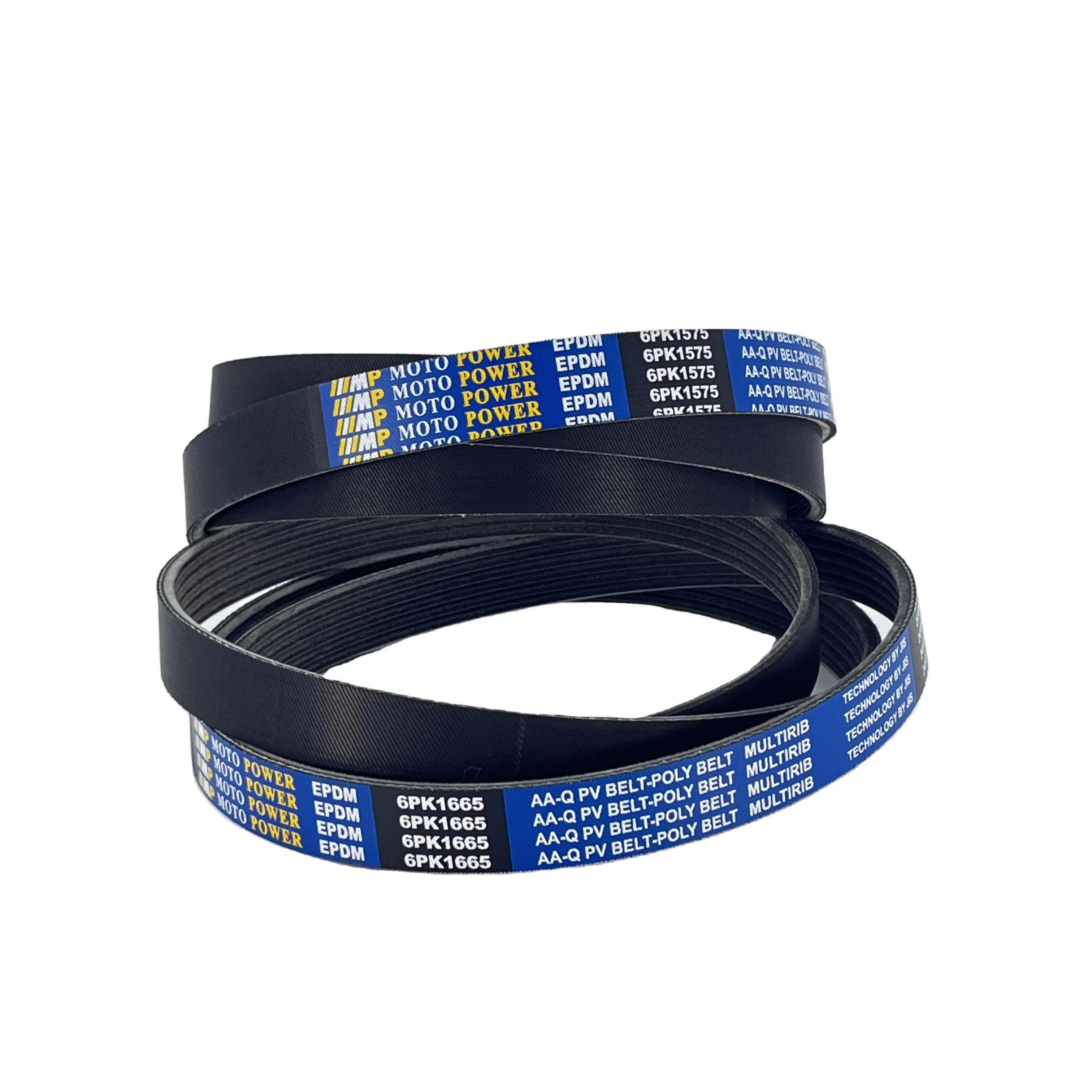
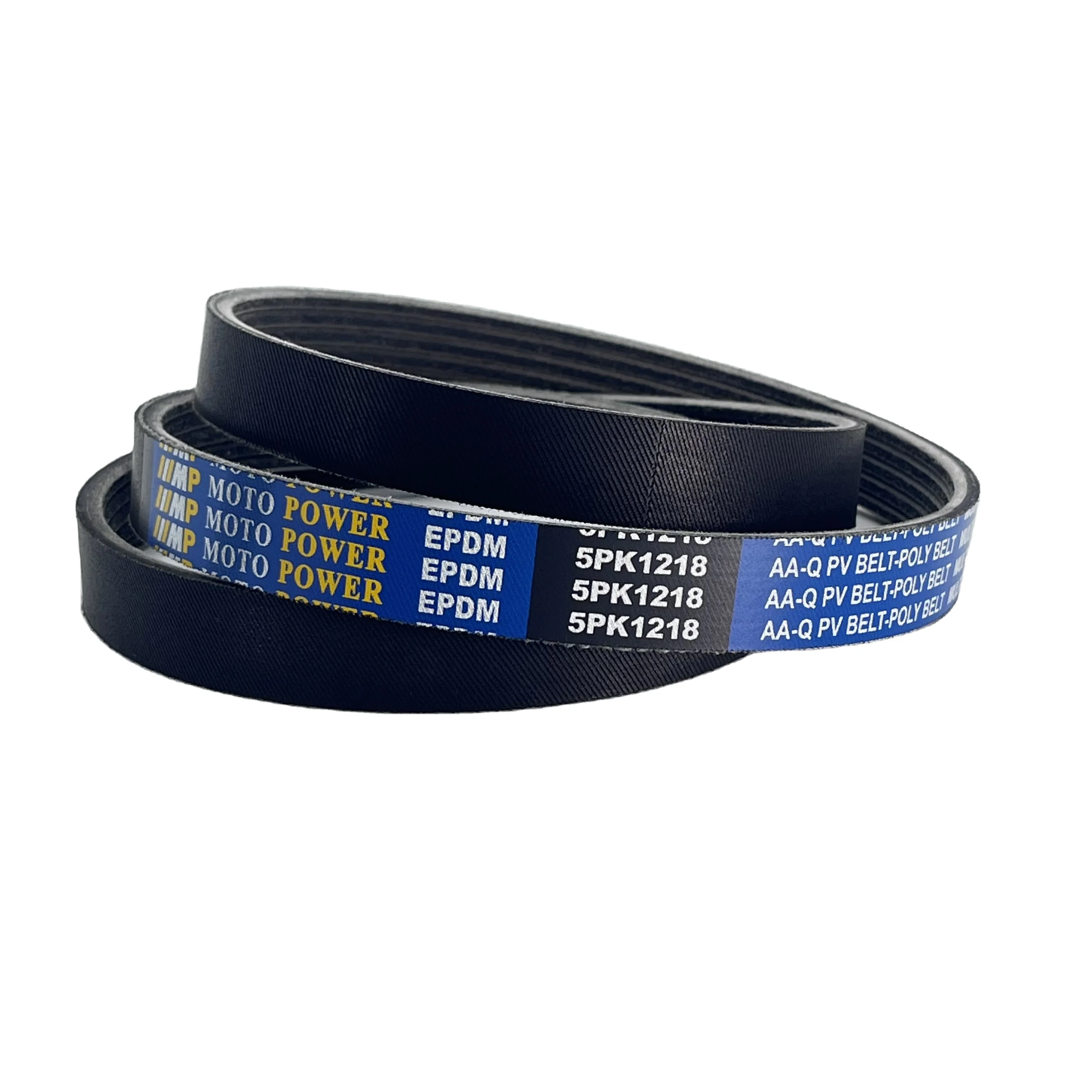
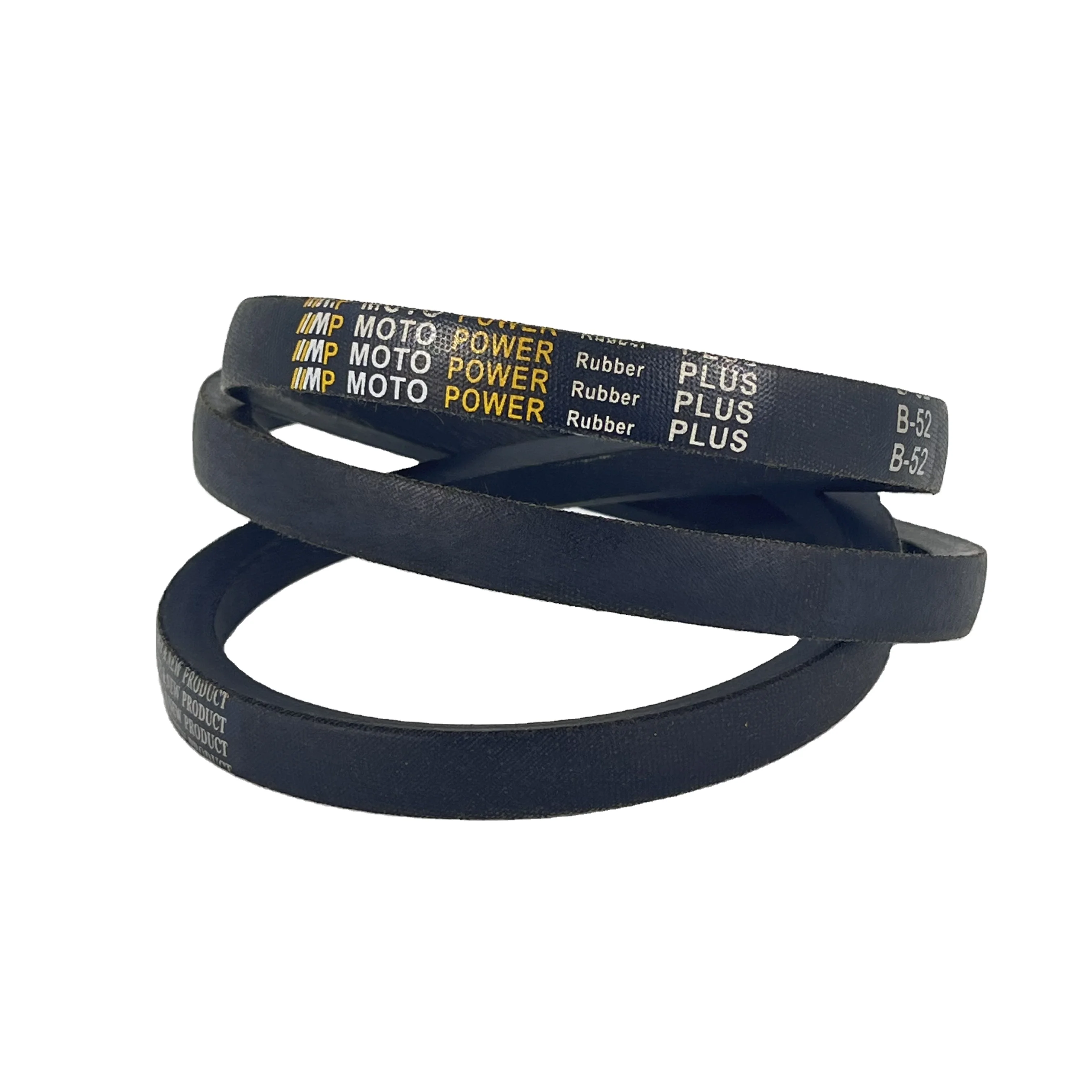
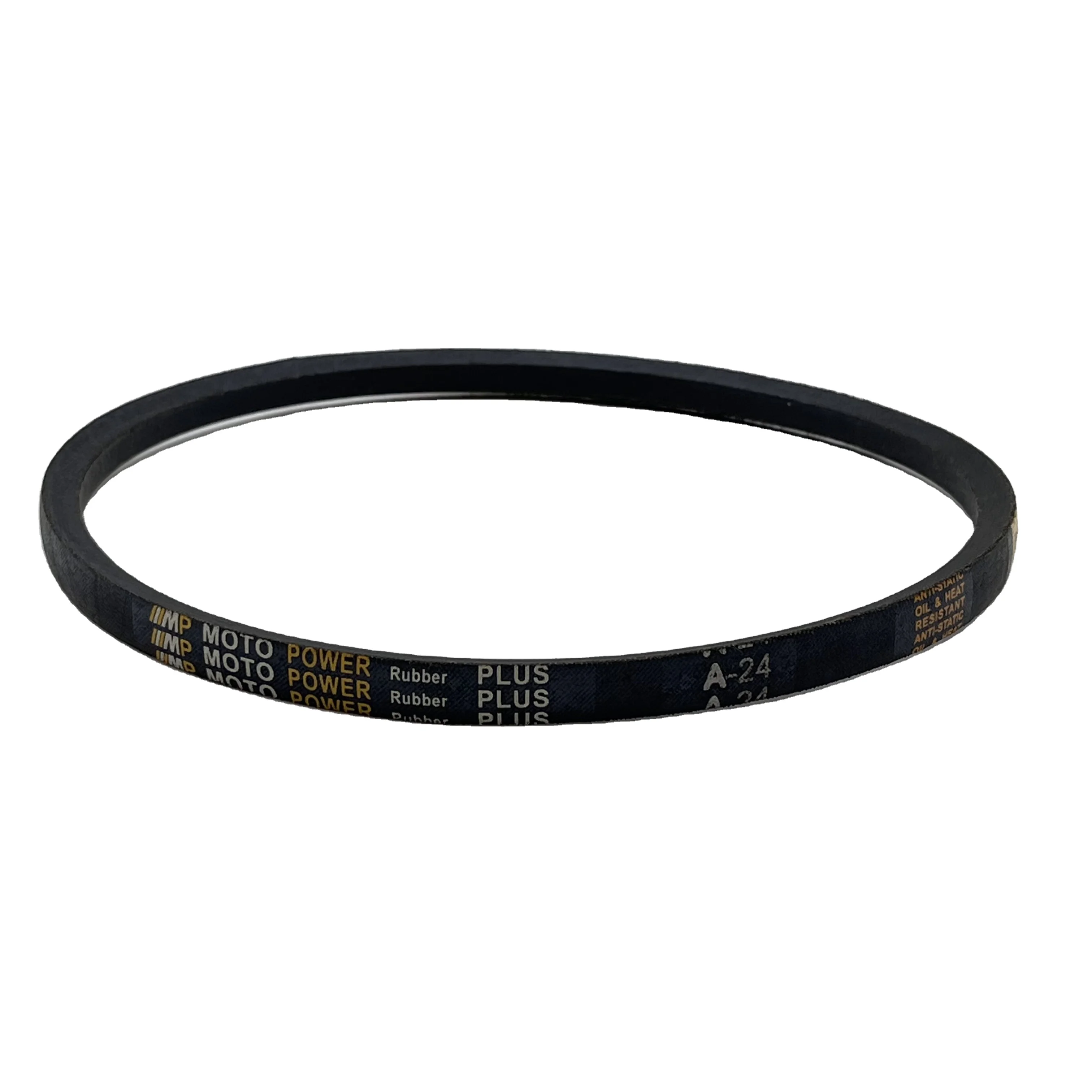
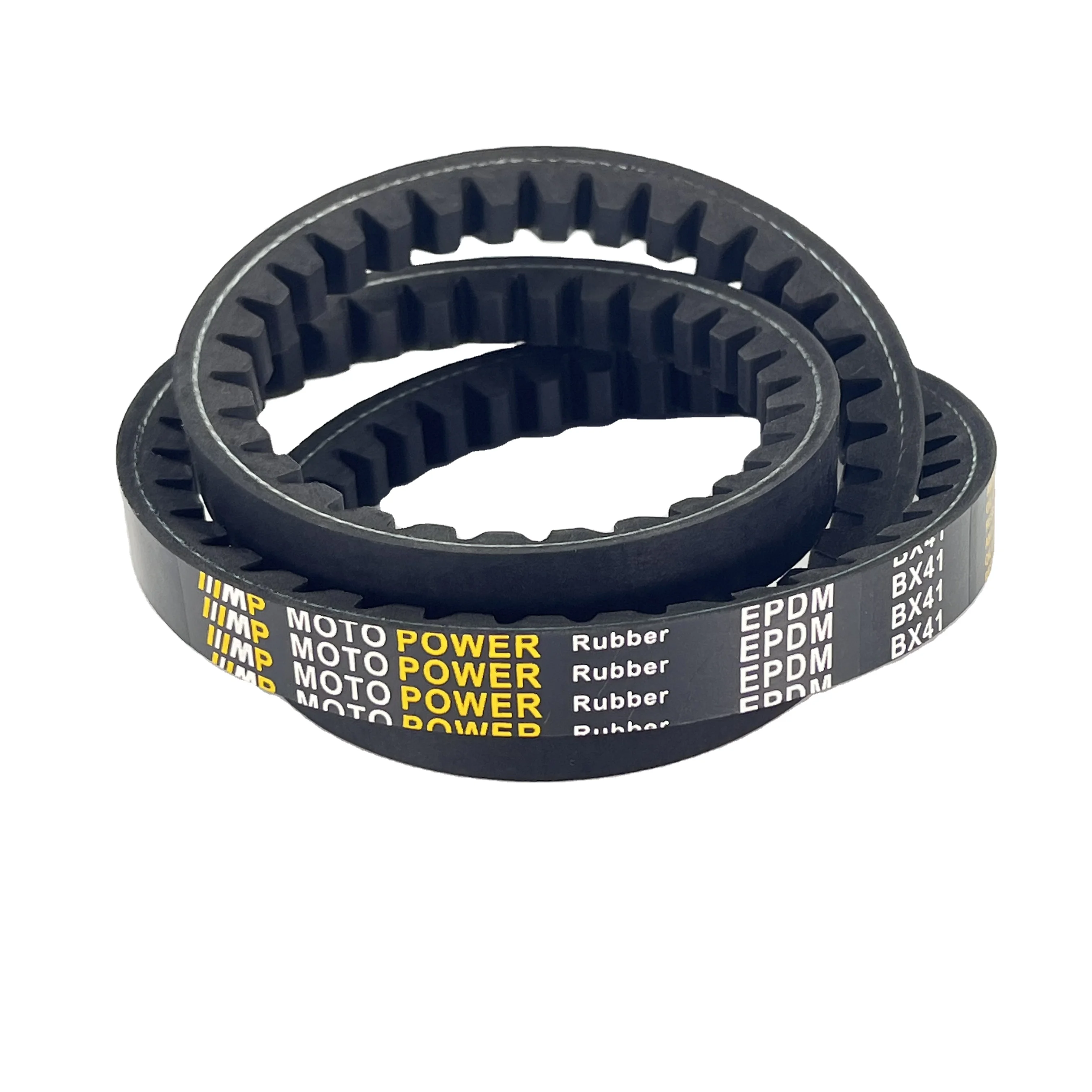
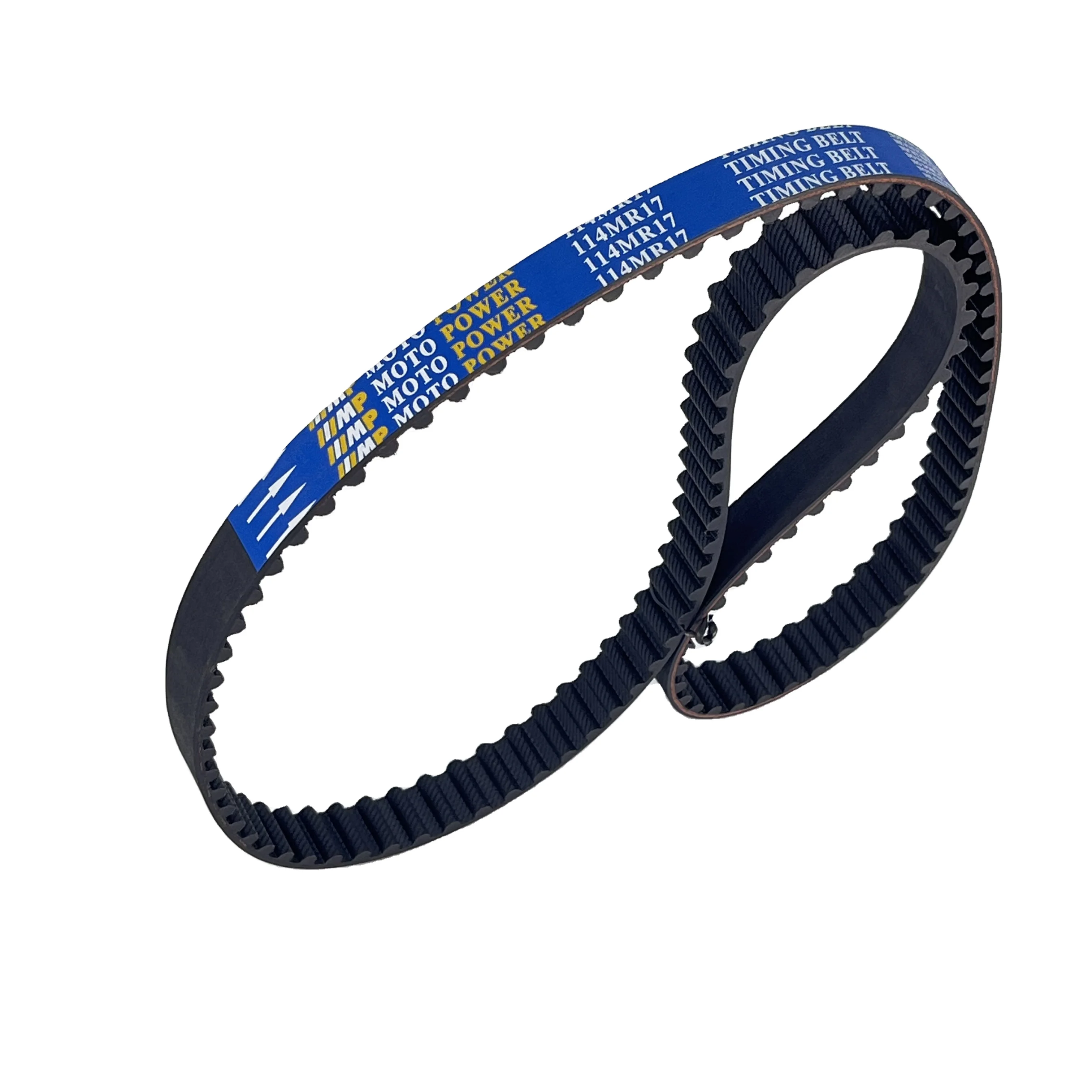
Ownership, Car Ownership Anyway, that you own a car is a really big deal. Don’t get stranded on the side of road and have to pay a repair bill from your service center replace it yourself with this step-by-step guide from the Harold Zeigler service team on how to change the serpentine belt yourself. The serpentine belt is your car’s engine’s heart, working to ensure all the different parts work together. If you see the symptoms that it’s time to change your alternator serpentine belt, I wouldn’t lose sleep over it. You can do it yourself, with the right tools and some guidance.
Round up your tools: Before you do anything, gather the tools necessary for the job. Tools Needed You will need a ratchet and socket set, and a new serpentine belt that matches your vehicle.
\
Release the tensioner: Locate the tensioner pulley and use car serpentine belt your ratchet and socket set to release the tension the remove the old belt. Keep in mind of how the belt goes around the pulleys so you can put it back on properly.
Even if you don't have an expensive mechanic for a friend, you can still save money on one of the most common car repairs by learning to replace your serpentine belt.
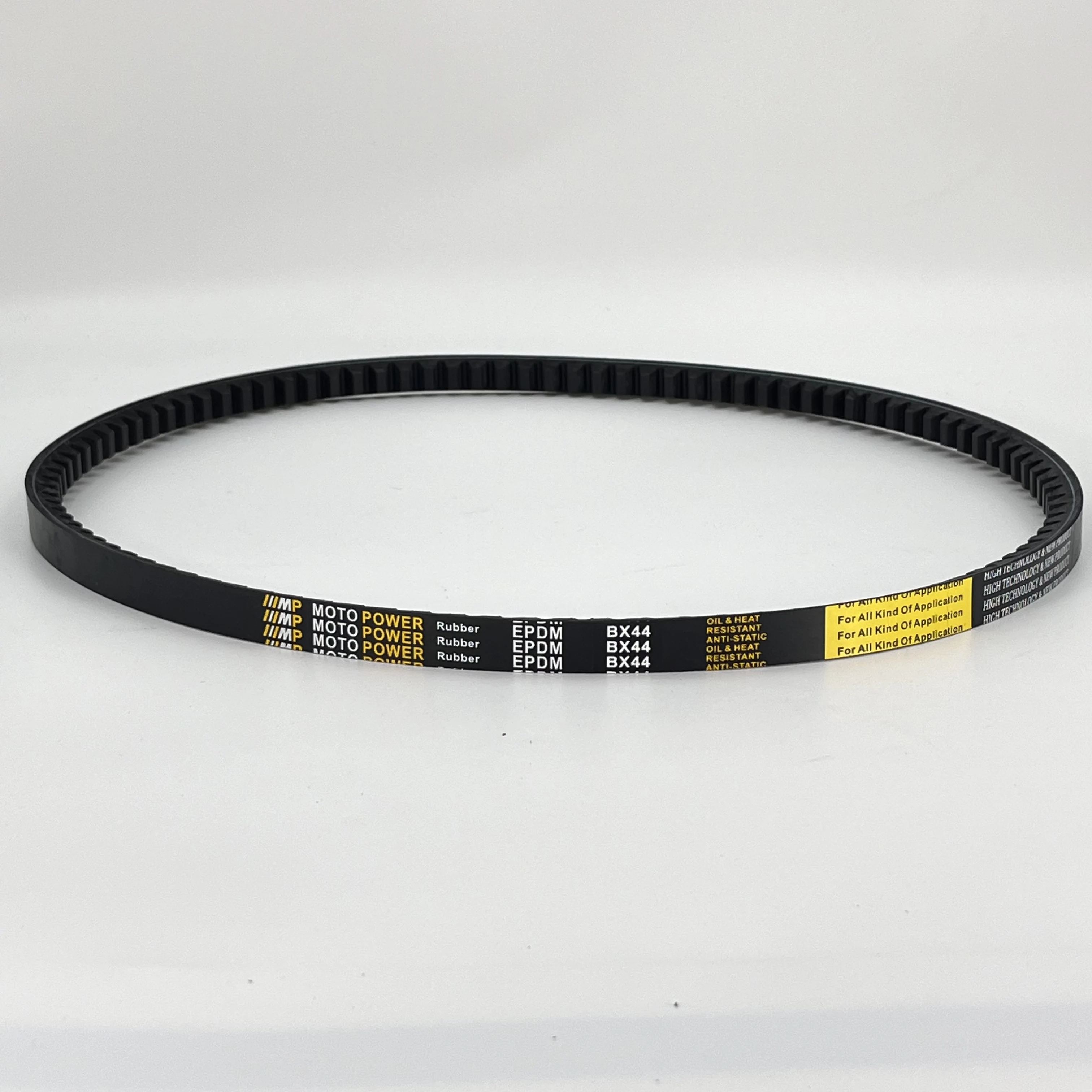
You'll save a lot of money there by knowing how to change a serpentine belt yourself. It’s a quick, easy job you can do in just a few steps with the right tools and a little bit of patience. And you are going to feel so proud of being able to do it yourself for you car.
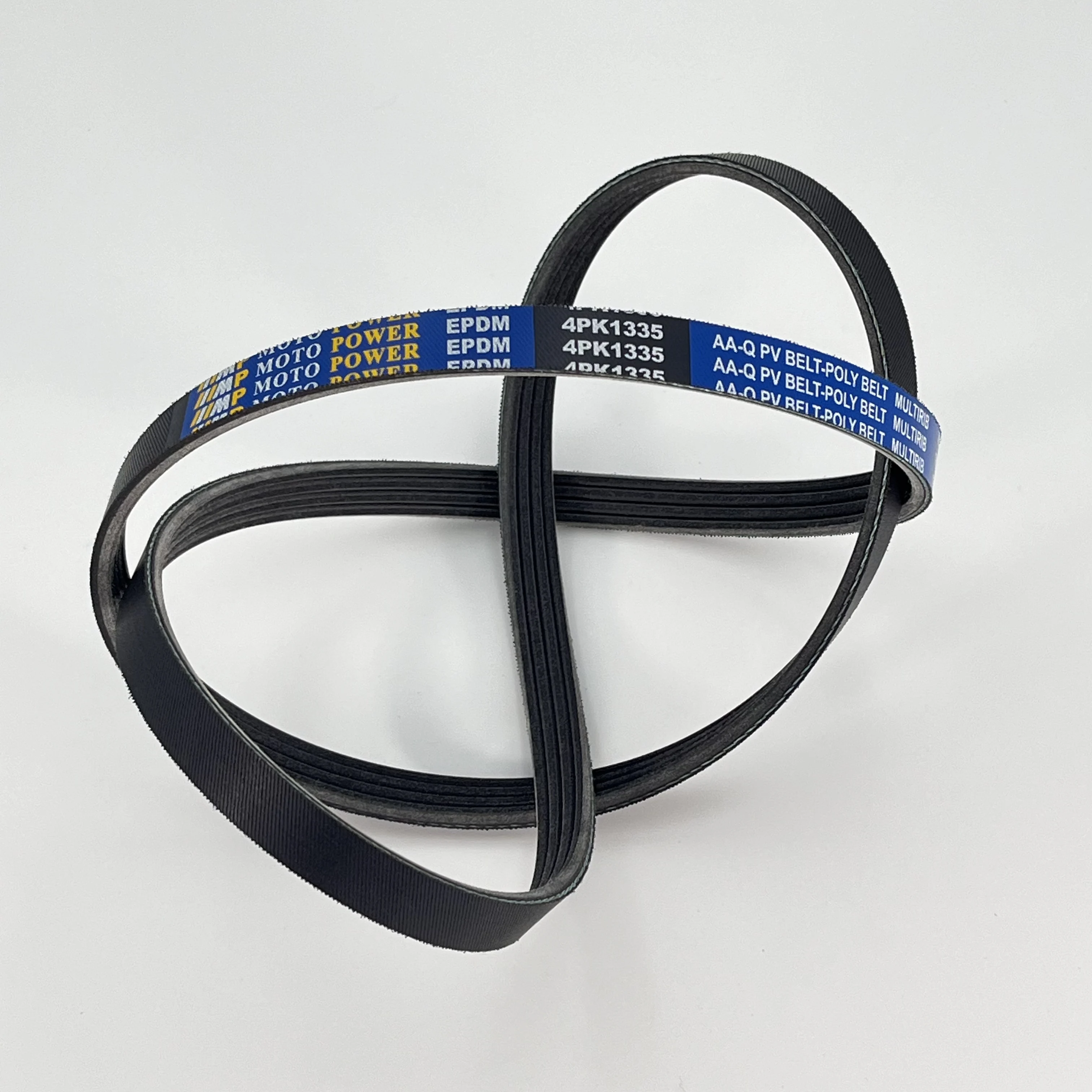
And if you are hearing whistling or chittering sounds emanating from under your hood, it could be an indication that it’s time for a new serpentine belt. You might also see the belt itself has a few cracks or the edge is frayed. You should change your serpentine belt if you notice any of these symptoms. Follow the easy how-to guide above and do it yourself to keep money in your wallet for other car repairs.
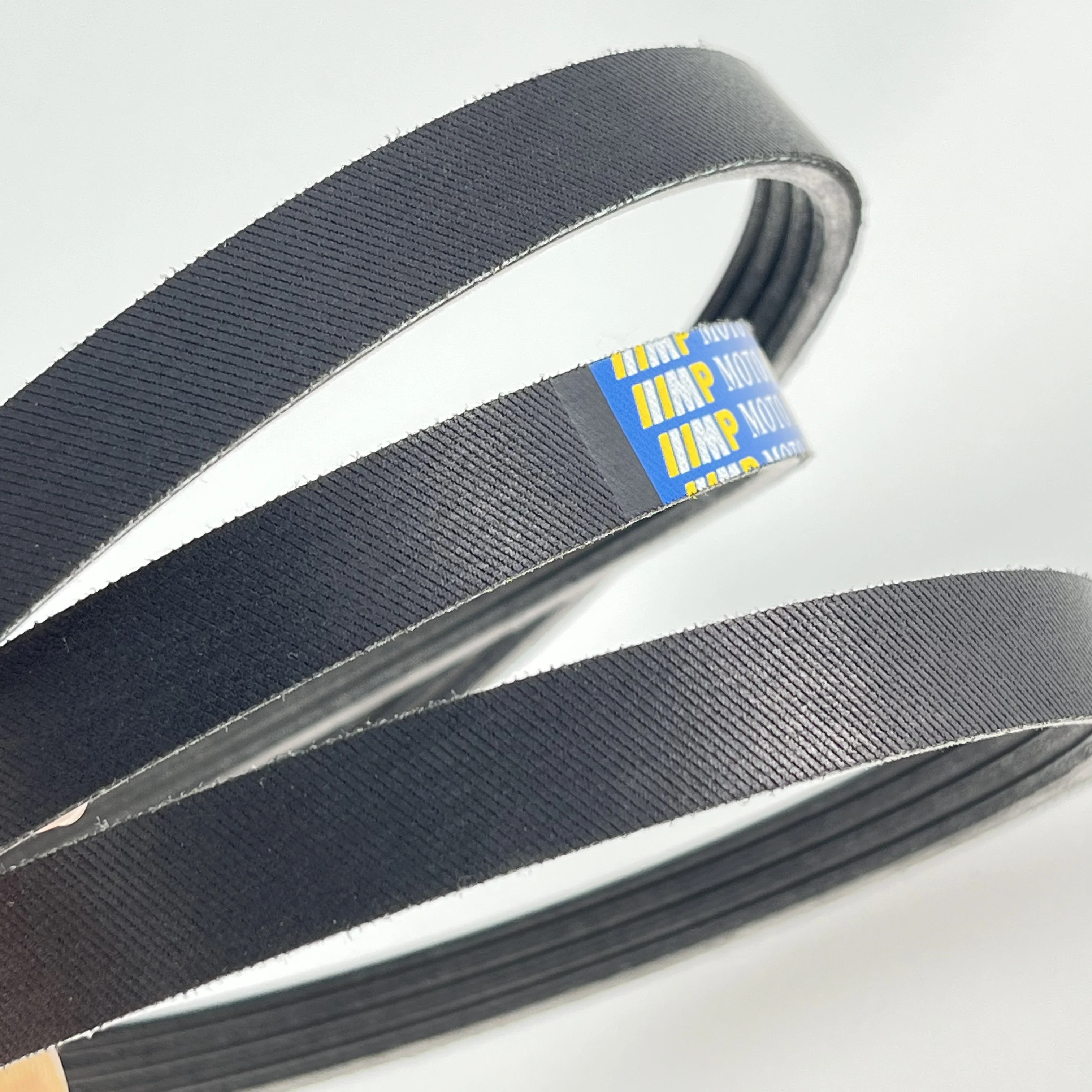
Considerations When Selecting a New corolla serpentine belt for Your Vehicle Choose a serpentine belt in the correct size and type for your car's make and model. This information is typically kept in your vehicle’s owner’s manual, but you can usually find it in a quick Google search of your vehicle’s make and model. Choosing the right belt is fairly critical since you need the correct belt for it to fit right and work right in your engine.
Adhering to international standards with traceable production and rigorous quality control from raw materials to finished goods, we provide comprehensive after-sales support to ensure customer satisfaction, seamless cross-border logistics, and hassle-free long-term usage.
Our rubber belts are engineered for superior performance in demanding conditions, combining durable materials and innovative designs to deliver longer service life, reduced downtime, and cost-efficient operation for industrial power transmission applications.
With a 45,000-square-meter facility and an annual production capacity of 11 million pieces, our operations are supported by a specialized R&D team of 20+ experts and over 60 patented technologies, ensuring precision engineering and high-volume reliability for both OEM and aftermarket clients.
We offer full-service OEM/ODM collaboration—from custom R&D and prototyping to scalable manufacturing—backed by professional technical consultation and tailored product selection to meet specific client requirements and application challenges.

Moto Power supplies premium rubber belts including Classica V-Belt, Cogged V-Belts, Poly Ribbed V-Belt, Timing Belts and more.
No. 588, Tiantong (S) Rd, Yinzhou, Ningbo, Zhejiang, China
Copyright © Ningbo HZ International Trade Co., Ltd. All Rights Reserved - Privacy Policy - Blog
 EN
EN