
 EN
EN
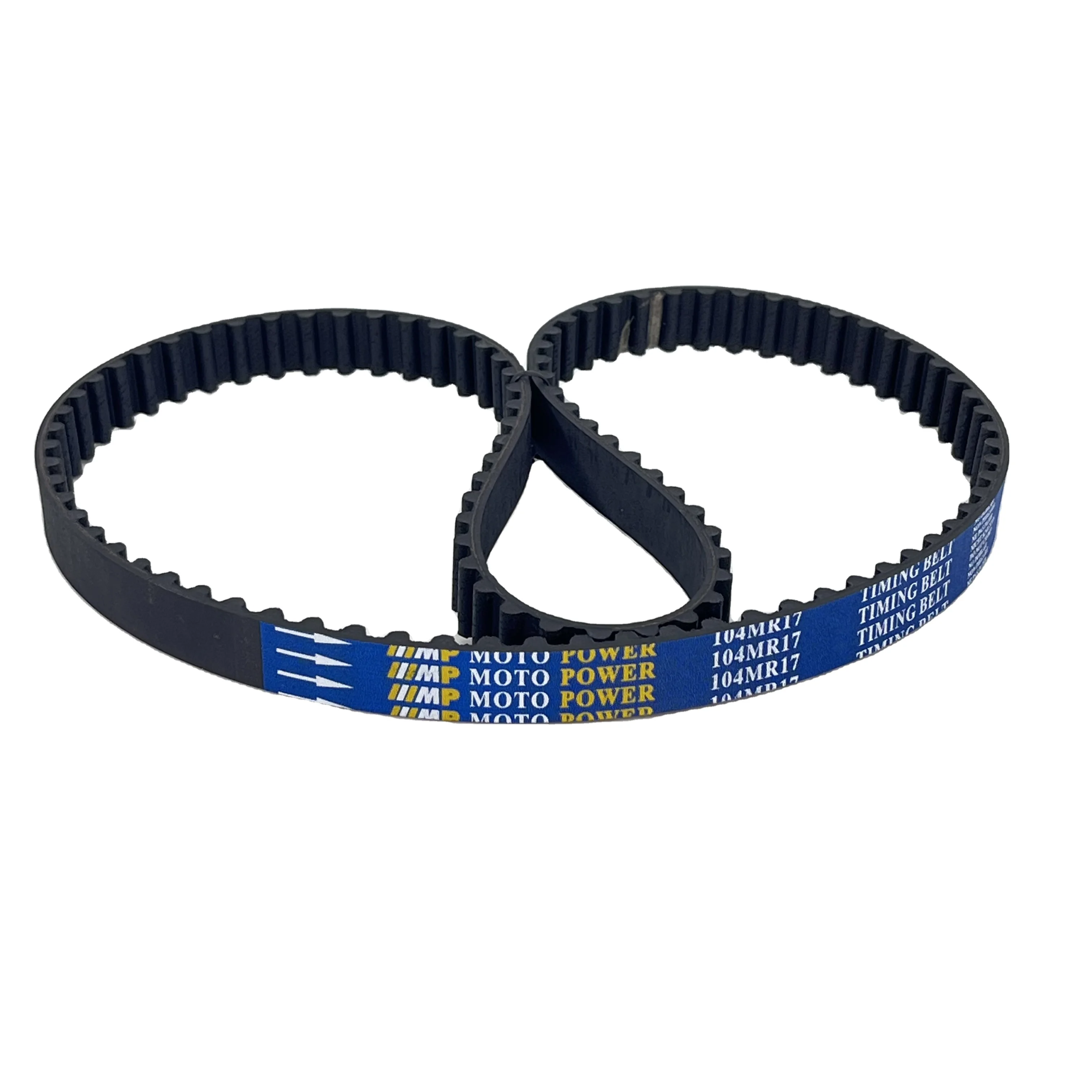
Timing belts are essential components in a variety of machines, ensuring they run smoothly. They help to transfer power from one part to another, ensuring that everything works together. Here at IIIMP MOTO POWER, we understand timing belts are made of a variety of materials including rubber and polyurethane. One of the main differences between these materials is how they stretch, or elongate, when you wear them. Knowing this difference can help people select the appropriate timing belt for their application.
Why Do Rubber And Polyurethane Timing Belts Stretch At Different Rates?
Timing belts are made from rubber or polyurethane. Rubber timing belt stretch more than polyurethane ones. In Other Words, rubber belts can stretch under load. For instance, if a rubber belt is used in a machine that will be running for an extended period of time, then it may expand quite a bit and this sometimes doesn’t work so well. On the other hand, polyurethane belts are engineered to stretch less. This makes them toward performance more stable. The rubber band, if you will, that enables stretches and pulls in ways that aren’t possible on Earth. Polyurethane is more like a strong string that doesn’t stretch so readily. This discrepancy is huge when choosing a timing belt. If a machine requires greatly power and precision, then perhaps a polyurethane belt is the right choice. But if the machine’s design is more flexible, a rubber belt might be just fine.
What Effect Do Elongation Rates Have on the Operation of Wholesale Timing Belts?
The stretch of a timing belt in use can have dramatic consequences on how machines operate, especially commercially, where several machines may be running simultaneously. And if a rubber timing belt stretches out too far, it can slip off the gears leading not only to delays but possibly breaking the machine. That’s not good for the businesses that need things to keep moving as smoothly as possible. For instance, in a factory, if one machine malfunctions because the rubber belt is slipping, it can slow down an entire production line. On the other hand, polyurethane belts offer greater consistency. They’re sturdier, and they can accommodate heavier loads without slipping. That’s less downtime for the machines and more efficiency for the business. Selecting the right timing belt can ultimately save time and money, depending on the rate of stretch. Here at IIIMP MOTO POWER we suggest thinking about what type of belt is ideal for each machine in terms of material. That way businesses can make sure that their machines run smoothly, and everything remains in motion.
Looking For Timing Belts With Best Elongation Rate Deals?
When you require timing belts for your equipment or applications, finding affordable deals is very important. Timing belts are made of various materials, such as rubber or polyurethane each with its own very special characteristics. And if you are in search of the best wholesale deals, please try IIIMP MOTO power. They have multiple sizes of belts-perfect for timing things out the way that suits you, and have good elongation rates which consider 1x to be stretching from it’s Slack length to it’ Stretch length. That is key, because a belt that stretches too much or doesn’t stretch enough can be problematic in machines.
You can begin by going to IIIMP MOTO POWER’s website. They frequently offer a discount for bulk orders, so you can save on multiple belts. You might also be able to find it on the different types of belts they manufacture. Seek belts that advertise high elongation. It tells you how far the belt can stretch without breaking or losing its grip on the machine. A high elongation rate means the belt lasts a long time and works well.
You could also contact IIIMP MQTO PQWER customer service. They can guide you which belts are suitable for your requirements. Sometimes there are even sales or promotions not advertised on their website. You might want to ask them about their return policy if the belts you buy do not perform as expected. Because with the right timing belts at the right price, you can keep your machines running smoothly and get them back up to speed in no time.
What are the Common Throttling Problems Caused by Different Elongation Rates in Timing Belts?
With timing belts we need to consider elongation rates very carefully. Machines are programmed with warnings when the belt is too far stretched. One common issue is slippage. When a vehicle timing belt is slipping, it has lost grip on the gears. This could be the result of a belt with high elongation at break. If the belt is too loose when running, it can slip and result in reduced machine performance or a stoppage.
Another problem that may occur is uneven wear. If a belt stretches too much or too little, it can wear faster at some parts than others. This may shorten the service life of the belt. For instance, if a rubber belt is put in a machine requiring a polyurethane belt, the rubber may stretch too much or wear out prematurely. You will have to do this more frequently, and your replacing the belt is going to cost you both time and money (the n key broke off this sentence).
Sometimes these problems don’t become clear until it’s too late for humans to do anything about them. Which is why you need to ensure that one of the belts -you get for your machine from the get go, is just right! IIIMP MOTO POWER may be useful to understand the difference between rubber and polyurethane belts of the elongation. By not running into some of those unfortunate issues that late model machines bring you can keep yours running good and away from the shop with those costly repairs.
How Do You Select Between Rubber and Polyurethane Timing Belts According to Elongation Factor?
It is not always that easy to choose a timing belt rubber. It can be even more challenging when you need to choose between rubber and polyurethane belts. The two materials have their own advantages and disadvantages, especially in terms of elongation rate. Rubber belts have a higher stretching rate compared with polyurethane belts. That means rubber belts can stretch more, which may be advantageous in some circumstances but not others. If you’re building something where there needs to be a lot more give, the rubber belt is also the way to go. But if the machine requires a tight hold, and needs less stretching, a polyurethane belt would be more suitable.
You also have to consider the environment in which the belt will be used. Rubber belts can be sensitive to heat and oil that can cause premature wear. Conversely, polyurethane belts can be harder against chemicals and heat, and they therefore offer a better choice for harsh conditions. If your machines constantly deal with these problems then you may consider polyurethane from IIIMP MOTO POWER!
It also pays to think about cost. Rubber belts tend to cost less than polyurethane. But if you replace rubber belts more frequently because they continue to stretch and wear, it might end up being a pricier choice over the long haul. It will be a wise choice to the one who select your belt based on the elongation rate and machine's requests. IIIMP MOTO POWER can help guide, support and focus you on the best belt for your machines, making sure they run effectively and efficiently.
Table of Contents
- Why Do Rubber And Polyurethane Timing Belts Stretch At Different Rates?
- What Effect Do Elongation Rates Have on the Operation of Wholesale Timing Belts?
- Looking For Timing Belts With Best Elongation Rate Deals?
- What are the Common Throttling Problems Caused by Different Elongation Rates in Timing Belts?
- How Do You Select Between Rubber and Polyurethane Timing Belts According to Elongation Factor?