
 EN
EN
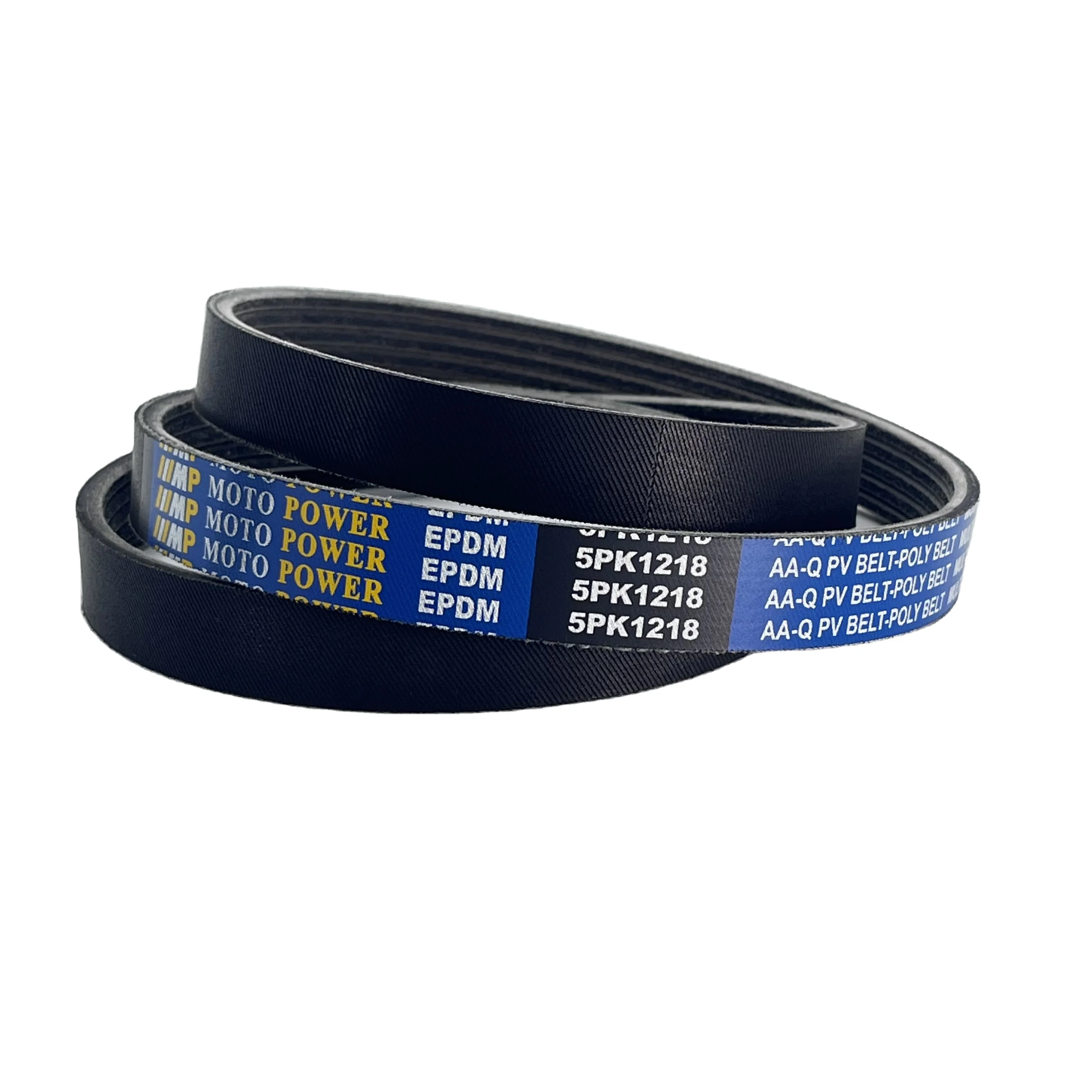
Heat is one of the most pressing issues facing industrial belt systems today. Overheating of the belts while they are in motion or under strain causes parts failure, potential safety hazards and production delays. At IIIMP MOTO POWER, we understand the importance of a cooled industrial belt system and offer a selection of key considerations for effective heat management and common factors that contribute to such problems.
How is heat best dissipated within industrial belt systems?
In a typical industrial belt system, an efficient solution for heat dissipation is to select appropriate materials for the belts and pulleys used. Certain materials are capable of higher performance under elevated temperatures. Belts constructed of a heat-resistant material is just one effective method. Maintaining cleanliness is also an important consideration, as debris can accumulate and interfere with normal functioning and heat transfer. Furthermore, active cooling solutions such as water- or air-based systems are a common approach. It is imperative to strategically place any added cooling system to ensure optimal heat removal. Good alignment of belts is essential; misaligned belts increase friction and friction generates additional heat.
It's also crucial to minimize belt loads where possible. Overloaded belts generate heat much more quickly than underloaded belts and will fail more rapidly. Ensure to adhere to the belt's operating limits. If possible, instead of using a single large belt to transmit power to multiple locations, consider utilizing multiple smaller belts, which can distribute the workload and temperature increase over a larger surface area. Regular maintenance, such as checking for wear and proper lubrication of bearings, is also critical in order to maximize the useful life of a belt.
What common factors are detrimental to heat dissipation within an industrial belt?
Many factors may have a negative impact upon the efficiency with which heat dissipates within an industrial belt system. Among the most significant is friction. Friction occurs whenever components rub against each other, thereby creating excessive heat. Lack of appropriate bearing lubrication is a major source of this added friction, producing elevated operating temperatures. Poor ventilation, meaning a lack of airflow across a belt and the surrounding components, will impede heat dissipation and elevate ambient temperatures. Additional cooling may be necessary to counter inadequate ventilation. Another common factor in poor heat dissipation is a system overload. It may only carry so much load before its temperature is elevated quickly and it may even fail or sustain irreparable damage. An inappropriate choice of belt, for example a belt designed for lower temperatures, for a specific application may also be a source of excessive heat. Even poorly constructed installation can contribute to a failing heat dissipation system. If belts are not installed at proper alignment, friction will increase. Temperature influences also include the overall climate; a warmer operating environment or a humid climate will both be less effective at drawing heat away from a belt. Businesses will find themselves to be more effective at increasing a belt's heat dissipation efficiency once they understand each of these factors.
IIIMP MOTO POWER strives to aid all industries in the process of optimizing their operational efficiency. Increased performance and improved safety are attainable through effective employment of the proper cooling solution in the workplace as well as awareness and avoidance of such problems.
What emerging trends are observed in the industrial belt heat management field?
The world of industrial belts presents a number of ongoing trends as the quest for enhanced cooling strategies is continuously pursued. The integration of specialty heat-conducting materials will likely dominate research and development efforts in this area. Some of these materials will be lightweight, durable and capable of dissipating heat efficiently. This should result in belts which may operate more efficiently while simultaneously generating lower temperatures under load. Increased application of advanced cooling fans and blowers to actively direct hot air away from the belts is also evident in current manufacturing facilities. IIIMP MOTO POWER employ cutting-edge techniques in their automatic detection and cooling mechanisms which react and adjust temperatures before they can even be noticed by the employee, thereby increasing efficiency further. Designs and configurations of the belts themselves are changing in order to minimize heat buildup. Hole patterns within belts and new configurations can all serve to reduce operating temperatures of belts in industrial systems. Many companies like IIIMP MOTO POWER invest time and effort into a more improved thermal system with the usage of innovative materials, new technologies and better designs. All these things help a belt run optimally with better lifespan.
How to select the right cooling system for an industrial belt system?
The sheer volume of cooling options available can make determining the most appropriate system for a given industrial belt complex feel quite overwhelming. The primary considerations are as follows; the level of heat a given belt system can generate must be ascertained, as high-temperatures will demand stronger cooling solutions. For low to medium temperature concerns a fan is an extremely popular and cost effective cooling technique; however one must ensure it is strategically placed on the belt. Heat shields are another common option and help prevent ambient heat from entering and warming a particular area; these can be effective at surrounding the immediate work environment of a particular belt system. Water and liquid cooling are another approach that has proved to be an effective means of dissipating heat and should be strongly considered if other options may be inadequate, however there is added maintenance concern in dealing with these systems. Belt system size, operating temperatures, climate conditions and cost all factor into the selection process, so working closely with industry experts, like the employees at IIIMP MOTO POWER is highly advisable so that you may tailor a cooling system precisely to the specific needs and demands of your business.
How to effectively solve heat issues found in belt systems?
Controlling heat can present numerous challenges in a belt system. The surroundings are often one issue; operating a plant within a warmer climate makes it difficult to keep operating parts cool. Similarly, many belts are not designed to carry heat away quickly and as efficiently as other belts. A couple steps to fix this problem include assessing belts on a regular basis to ensure they have not worn down since poorly maintained belts create more heat, making a larger surface area of them available for air to cool it. Another factor to examine is the setup of a machine, because poor arrangement can Trap heat: if they can be spaced out, this will increase air flow to keep parts at a lower temperature. Poor ventilation around the belt should be corrected. You may consider installing a temperature sensor to give you warning before an operating part reaches an extremely high temperature. Seeking out assistance from a company that provides an industrial belt heat management solution, such as IIIMP MOTO POWER will help you resolve all heat problems your system has.
Table of Contents
- How is heat best dissipated within industrial belt systems?
- What common factors are detrimental to heat dissipation within an industrial belt?
- What emerging trends are observed in the industrial belt heat management field?
- How to select the right cooling system for an industrial belt system?
- How to effectively solve heat issues found in belt systems?