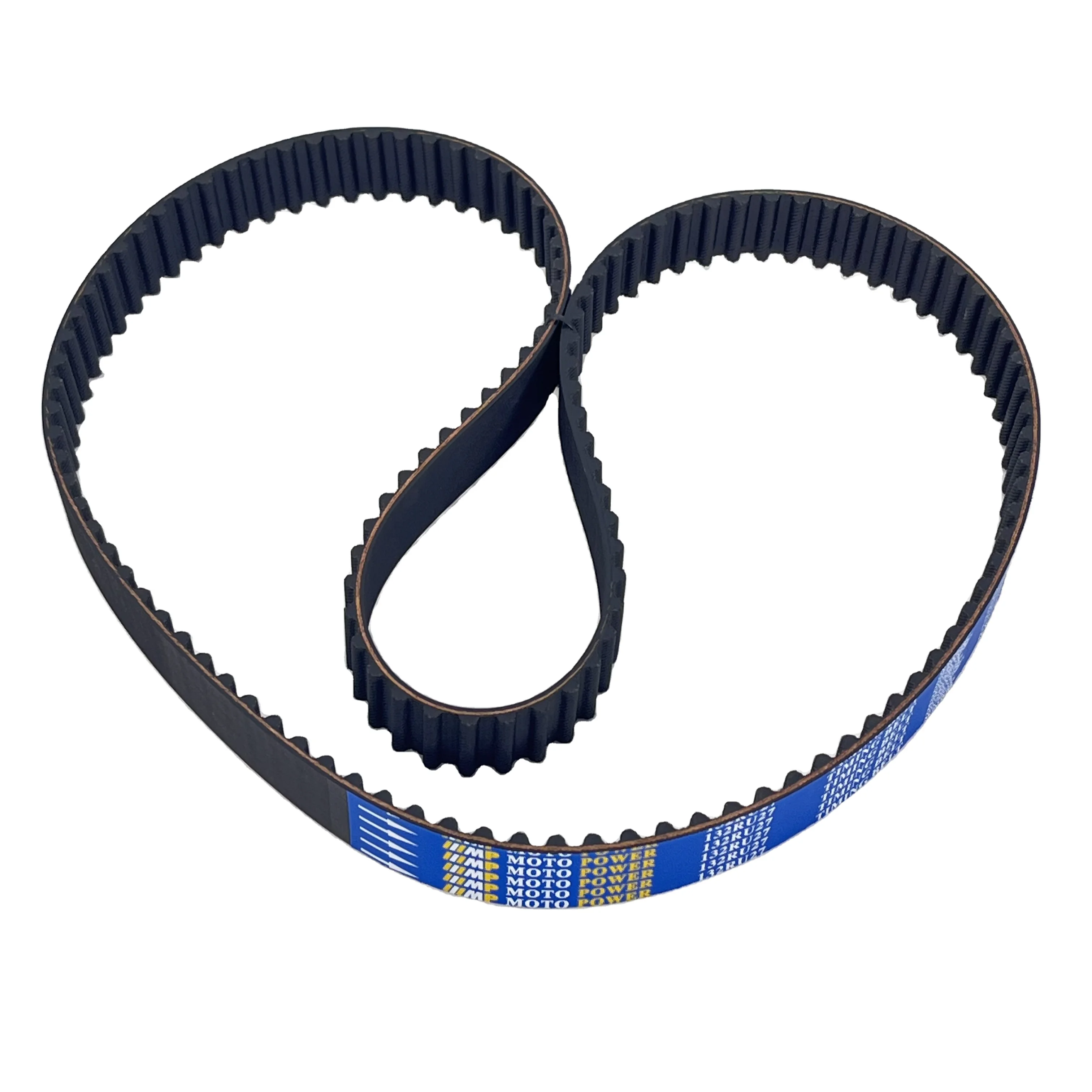
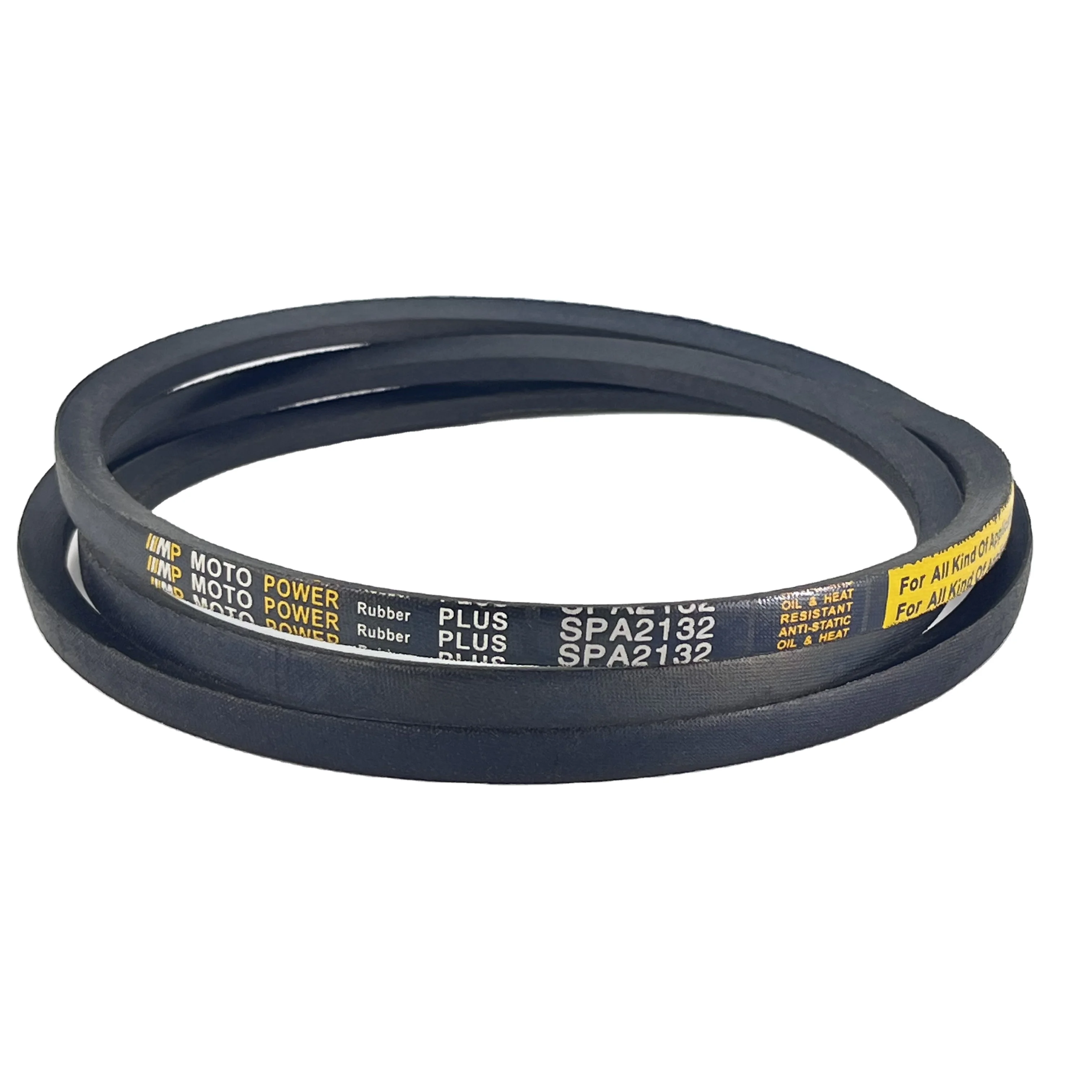
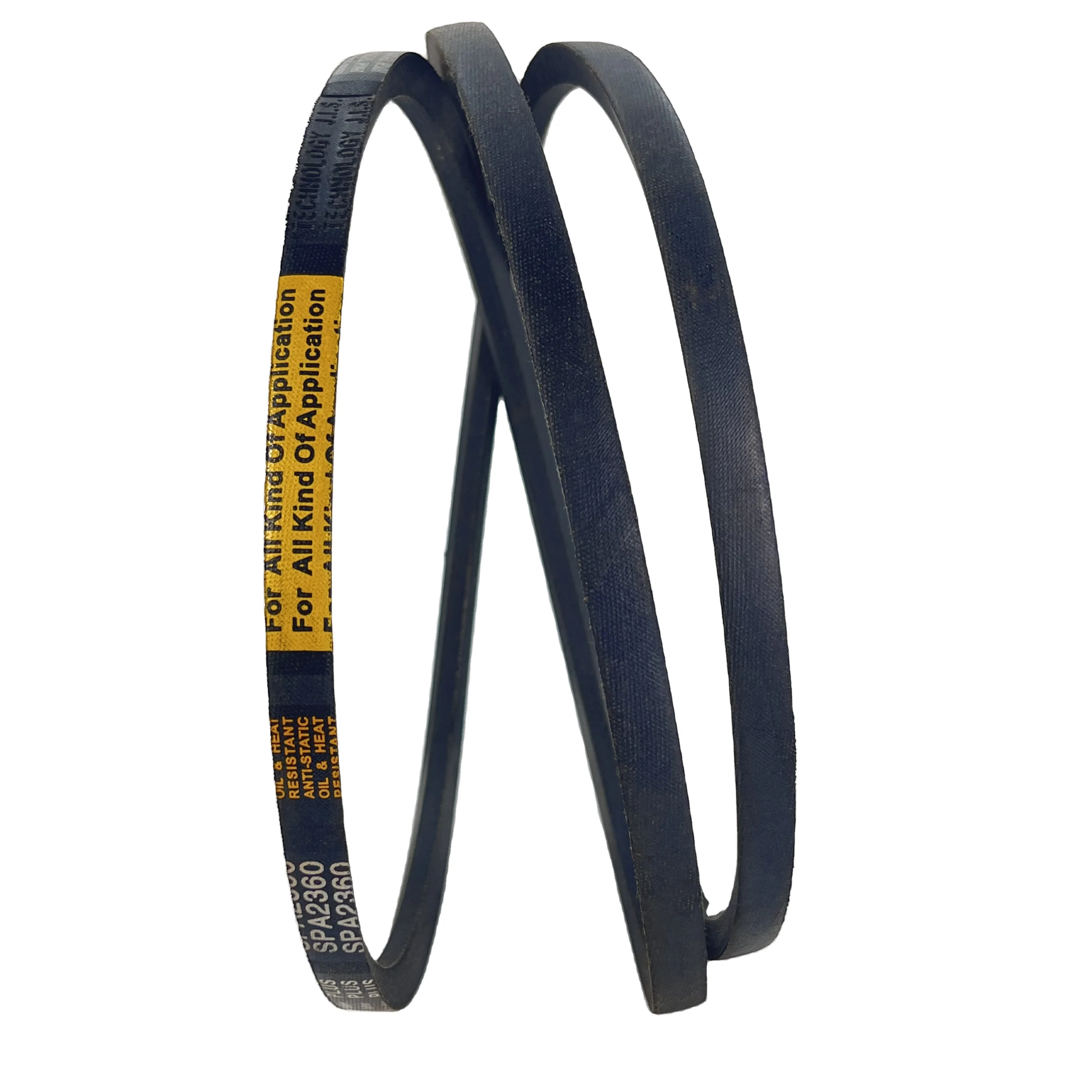
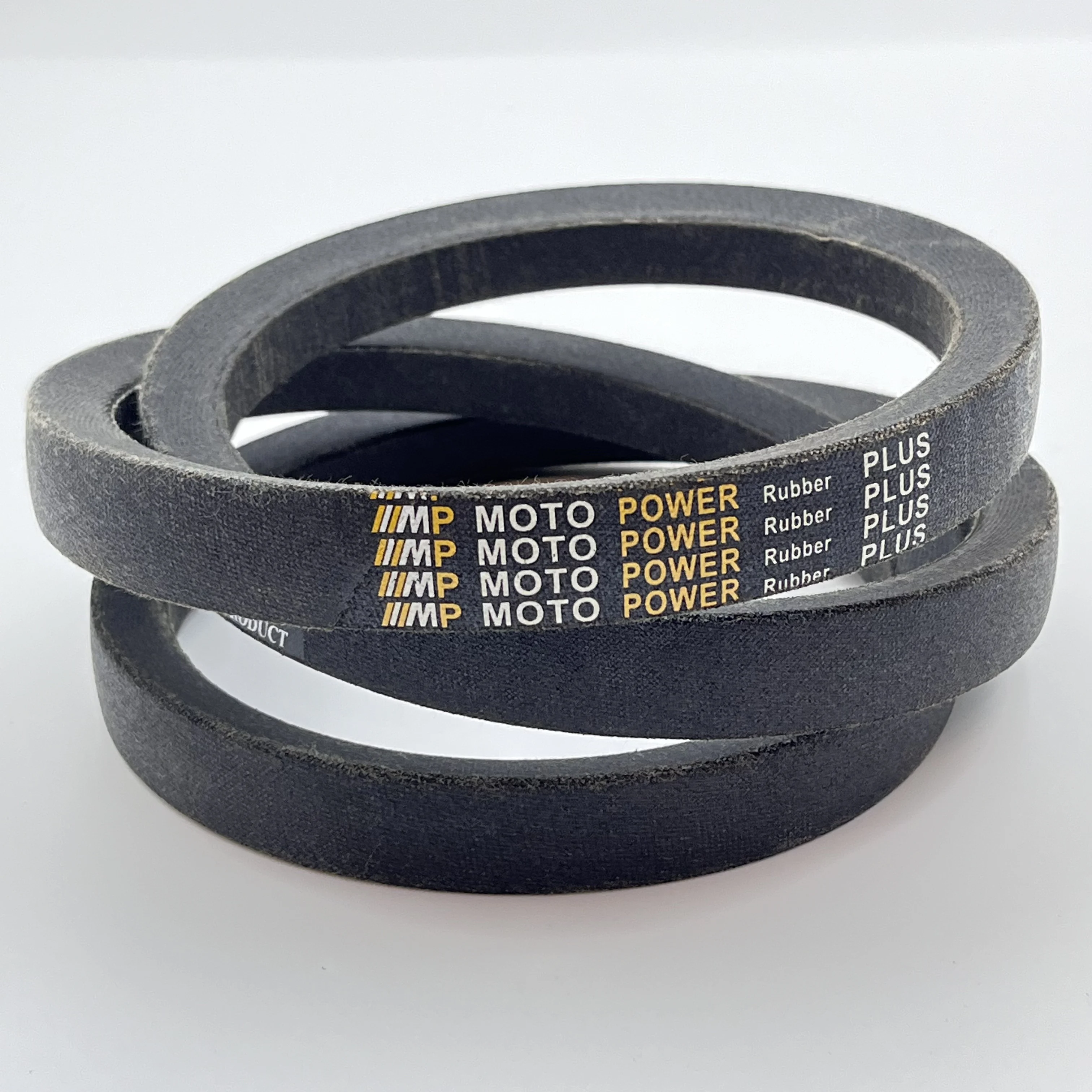
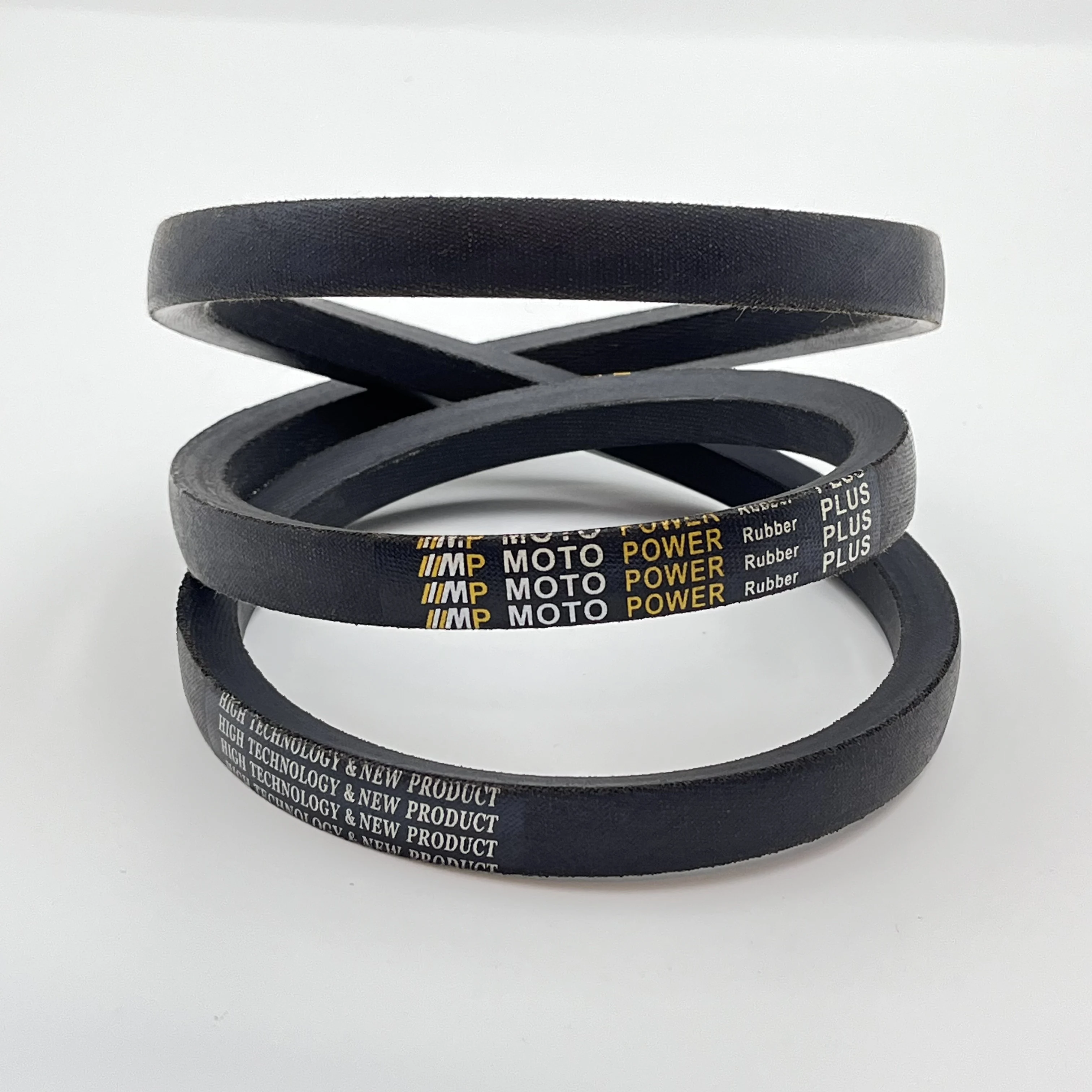
Hey there, young drivers! Volkswagen Polo timing belt – how to replace it yourself? Today we are talking about a very important part of your Volkswagen Polo, the Timing Belt. The timing belt is somewhat akin to a conductor in an orchestra, ensuring that all the individual parts of your car’s engine are working together in perfect sync. Just as you have to practice at your piano if you intend for it to stay in tune, you must also maintain your timing belt if you want a smooth-running vehicle.
If your beloved superhero lost their cape on their way to fight crime, they will be in as much trouble as your Volkswagen Polo would if the timing belt decided to break during a cruise. To avoid this, periodically have a mechanic inspect your timing belt rubber. They can see if it's starting to wear thin and in need of replacement. It’s like going to the doctor for a check-up to keep you healthy!
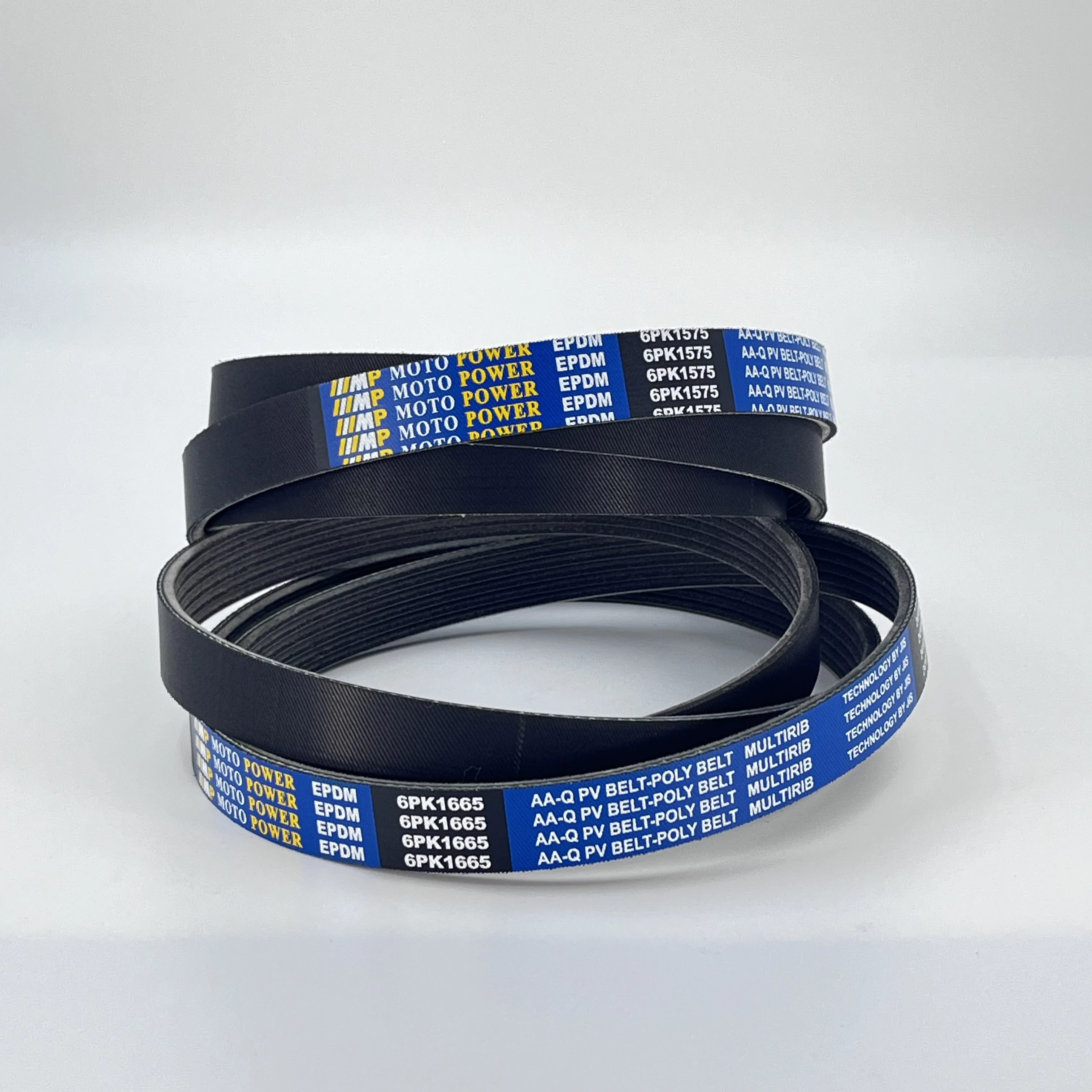
Just as you brush your teeth each day to avoid toothaches, you should look after the timing belt in your Volkswagen Polo to prevent motoring headaches down the road. If your fan belt timing belt snaps as you’re driving, it can cause serious damage to your engine, not to mention a hefty repair bill. By keeping up with maintenance and replacing your timing belt when necessary, you can spare yourself a major headache -- and major dent in your piggy bank!
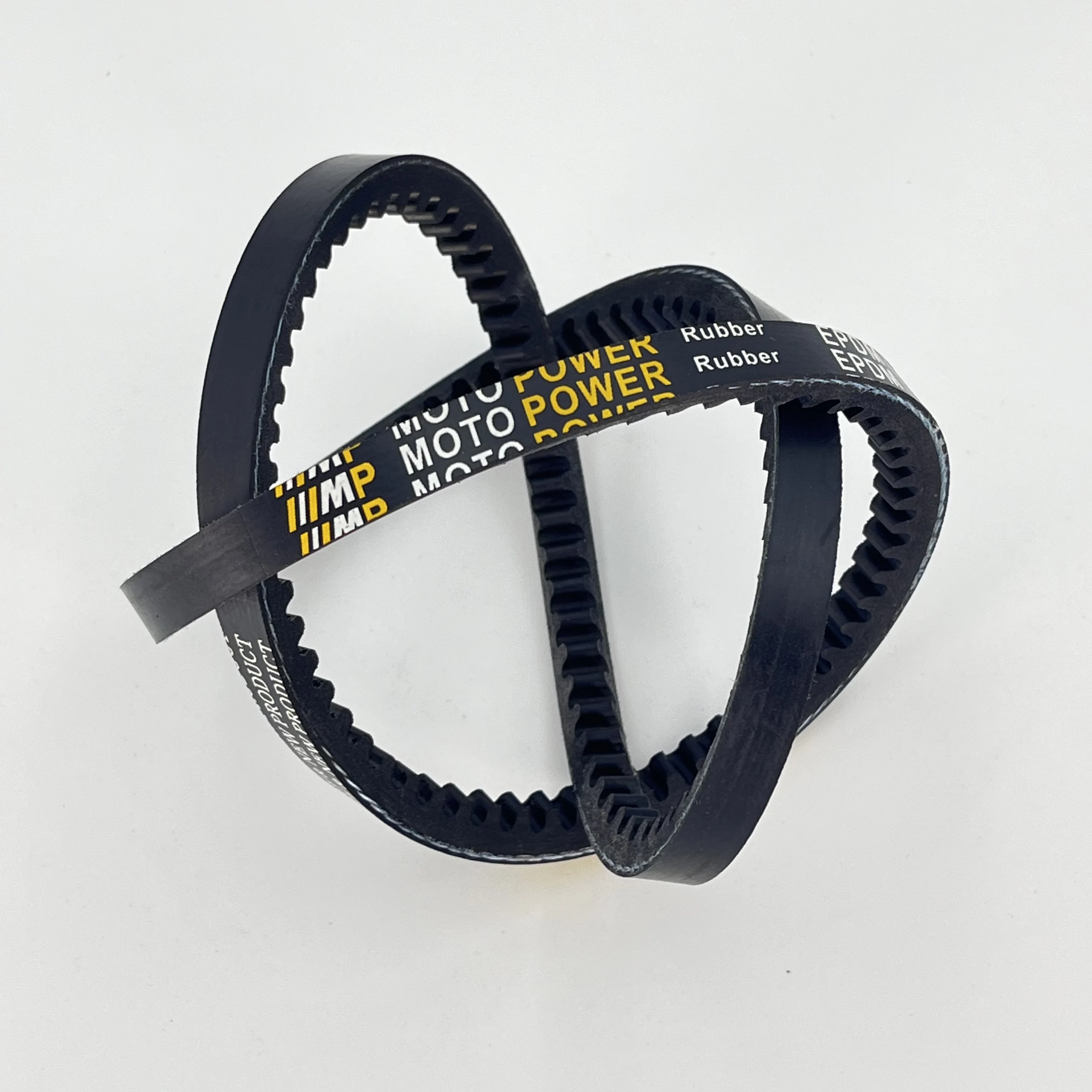
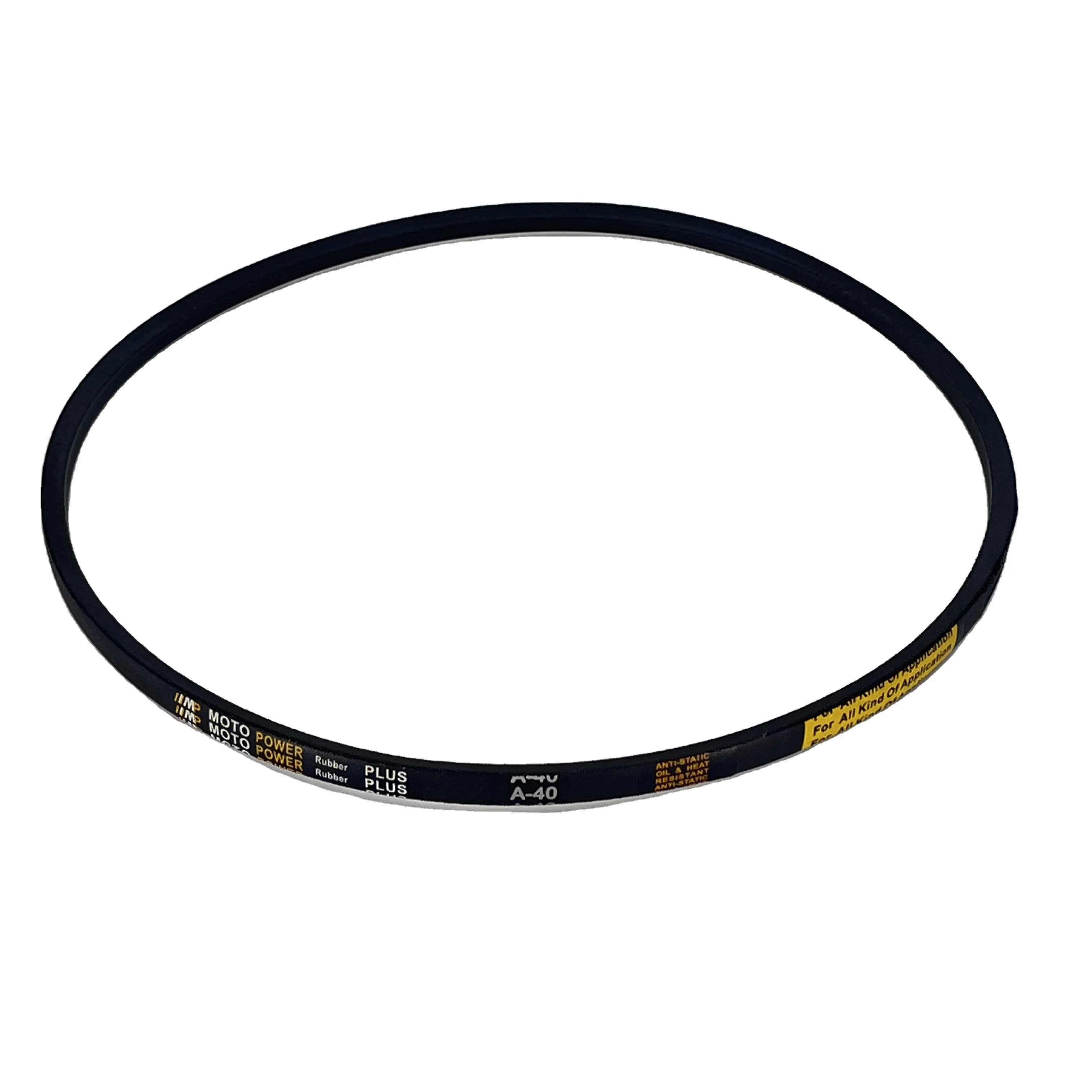
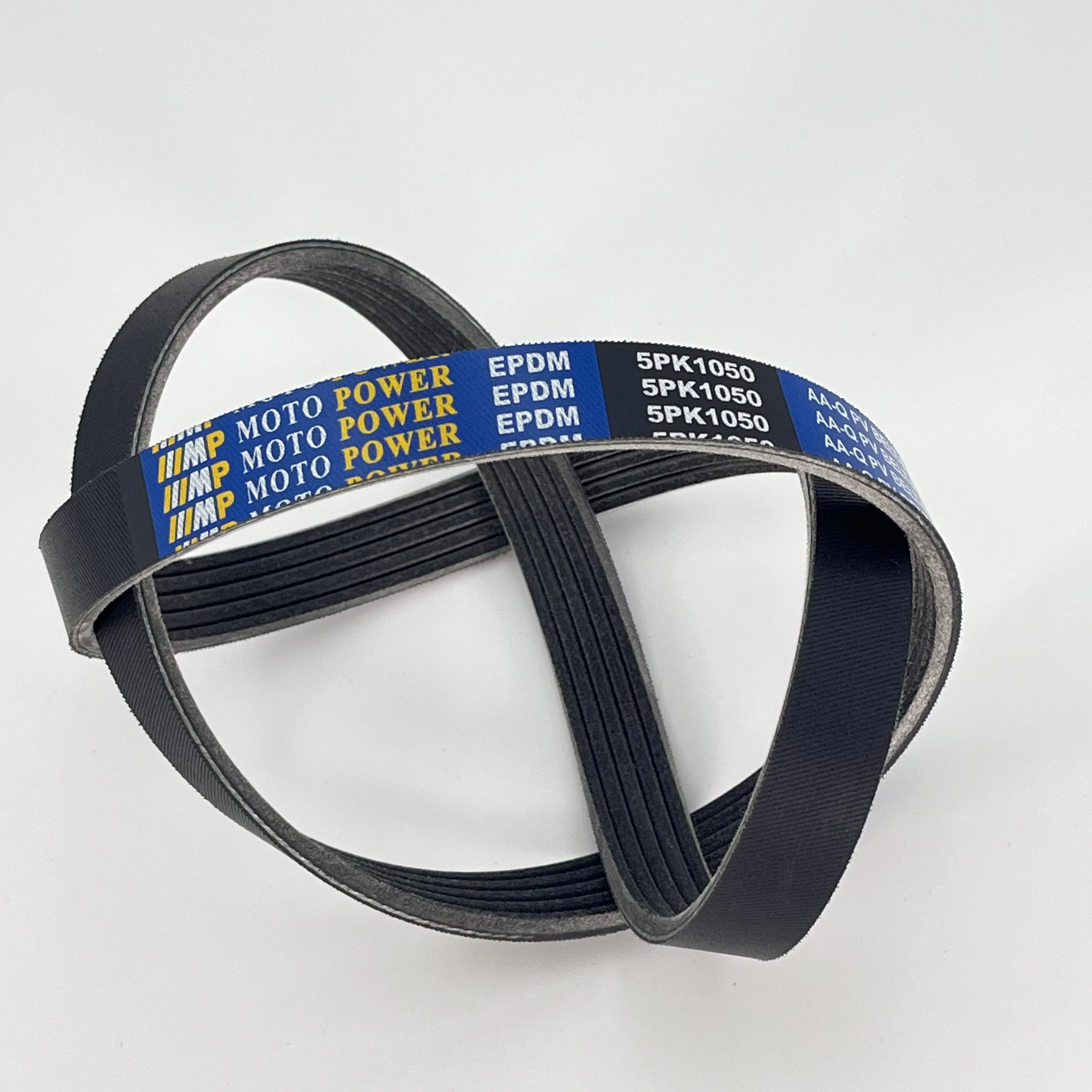
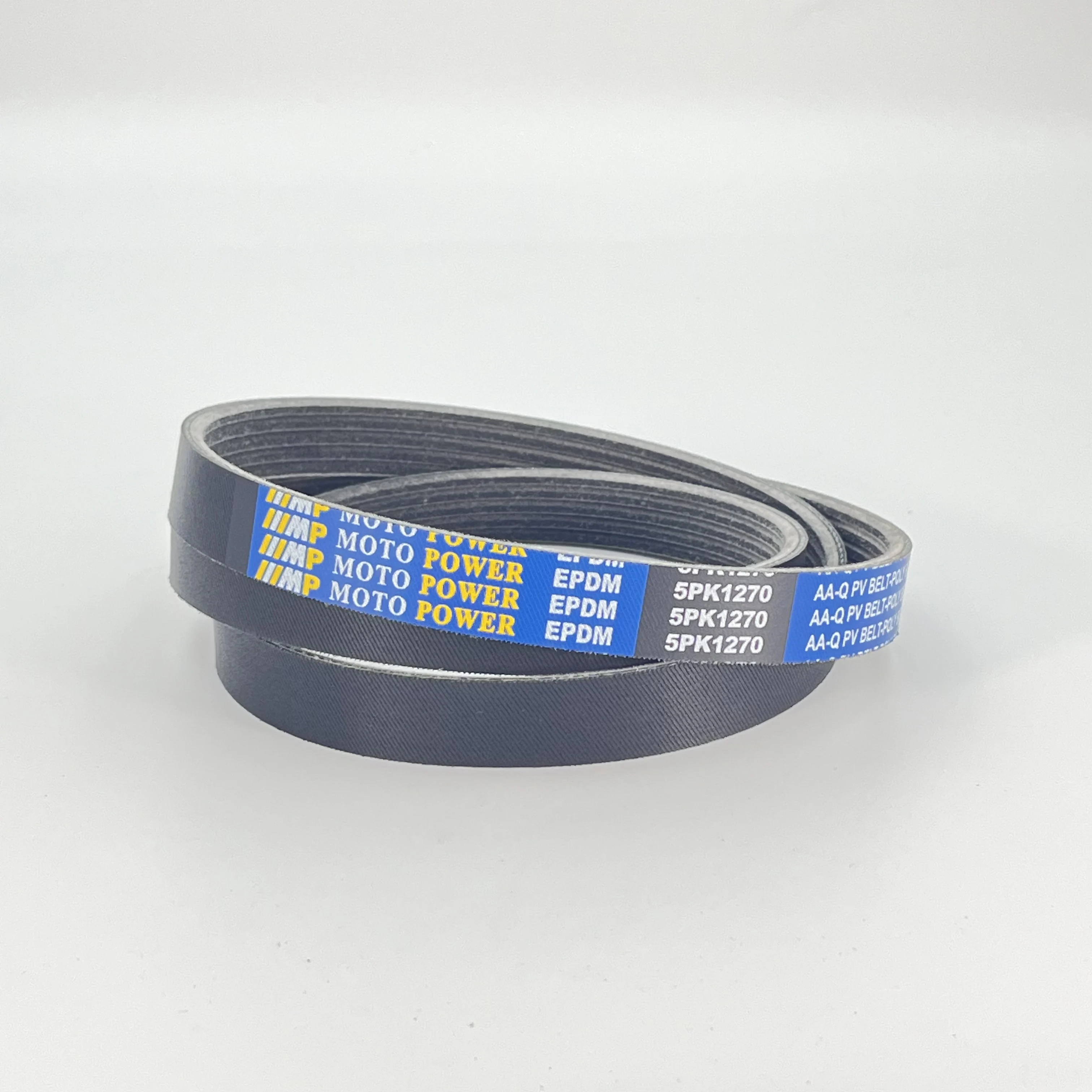
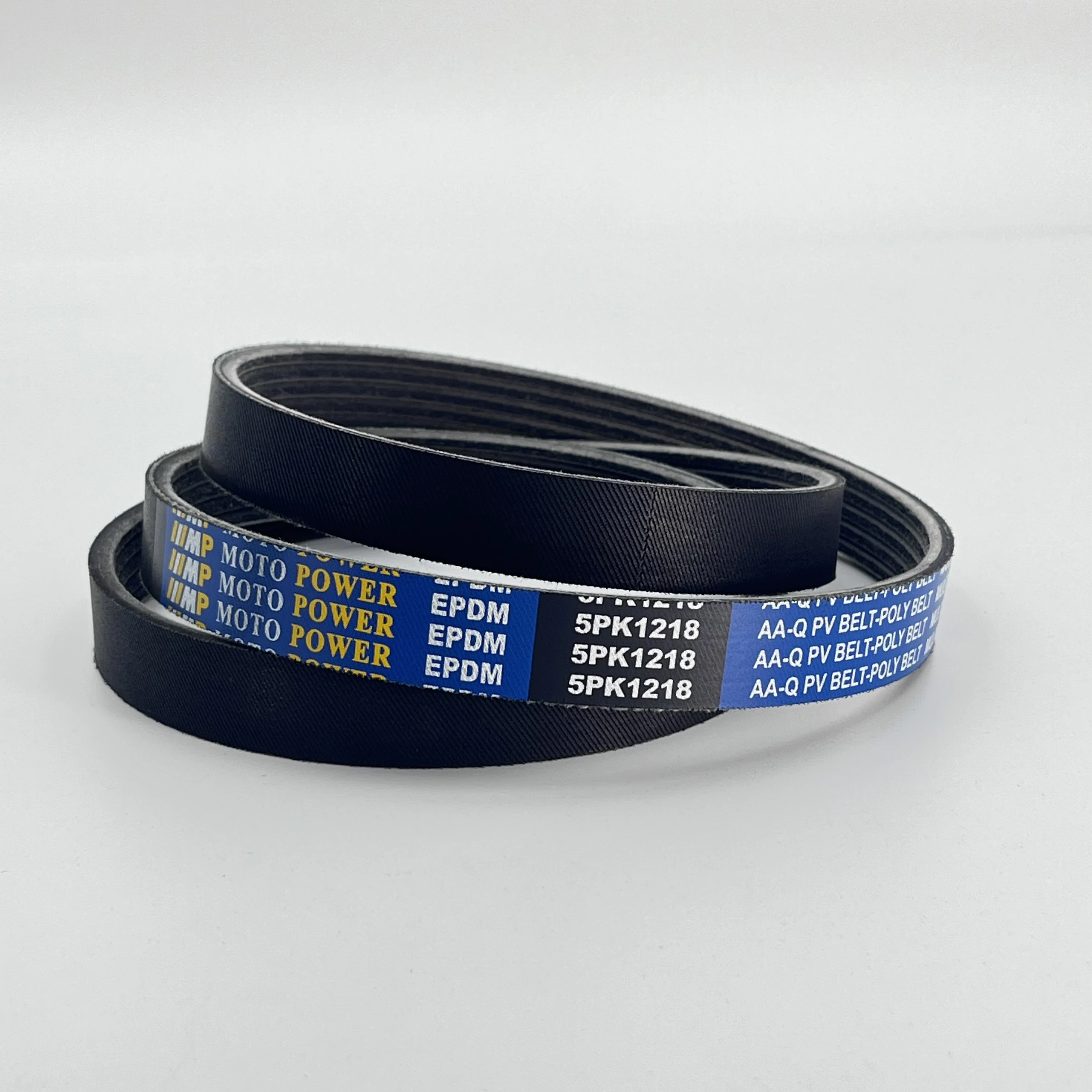
Occasionally, your Volkswagen Polo’s timing belt might let you know that it needs a little attention. If you hear strange noises (like squeaking or squealing) from your engine or your car won’t crank, it might be due to wear on your timing belt. Don't overlook these symptoms - get your car to a mechanic and save yourself from the prospect of greater problems. Check out IIIMP MOTO POWER's volvo timing belt today!
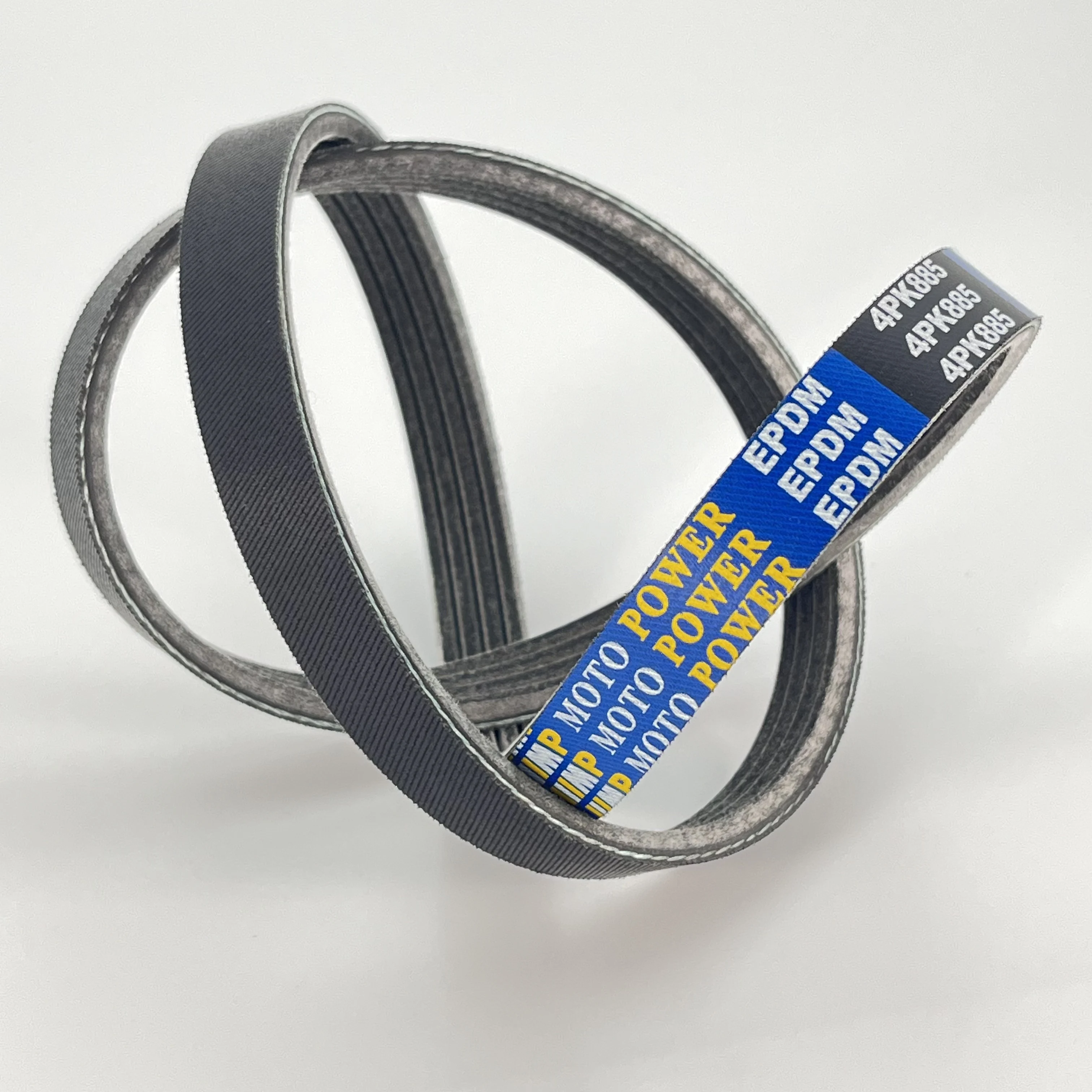
There are a few ways you can make sure your Volkswagen Polo Timing belt lasts a long time. First, be sure to adhere to the maintenance intervals listed in your car’s owner’s manual. This involves scheduling regular inspections and changing the timing belt volkswagen passat at the specified time intervals. Secondly, try not to drive under severe conditions, such as extremely hot or cold temperatures, as these can cause additional strain on the timing belt. Lastly, when you drive, try to do so smoothly and avoid sudden stops and starts, it may also cause the timing belt to wear out earlier
We offer full-service OEM/ODM collaboration—from custom R&D and prototyping to scalable manufacturing—backed by professional technical consultation and tailored product selection to meet specific client requirements and application challenges.
With a 45,000-square-meter facility and an annual production capacity of 11 million pieces, our operations are supported by a specialized R&D team of 20+ experts and over 60 patented technologies, ensuring precision engineering and high-volume reliability for both OEM and aftermarket clients.
Adhering to international standards with traceable production and rigorous quality control from raw materials to finished goods, we provide comprehensive after-sales support to ensure customer satisfaction, seamless cross-border logistics, and hassle-free long-term usage.
Our rubber belts are engineered for superior performance in demanding conditions, combining durable materials and innovative designs to deliver longer service life, reduced downtime, and cost-efficient operation for industrial power transmission applications.

Moto Power supplies premium rubber belts including Classica V-Belt, Cogged V-Belts, Poly Ribbed V-Belt, Timing Belts and more.
No. 588, Tiantong (S) Rd, Yinzhou, Ningbo, Zhejiang, China
Copyright © Ningbo HZ International Trade Co., Ltd. All Rights Reserved - Privacy Policy - Blog
 EN
EN