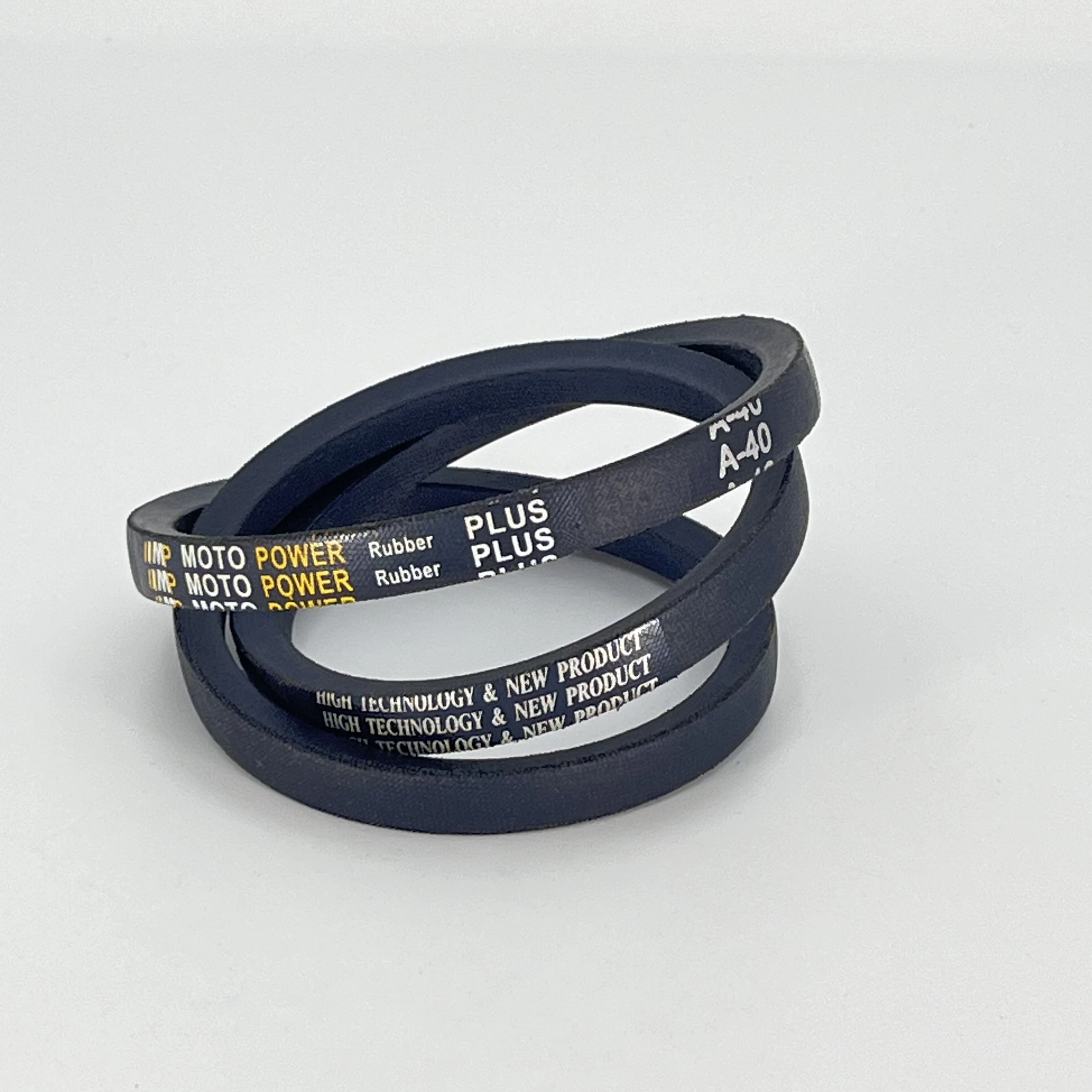
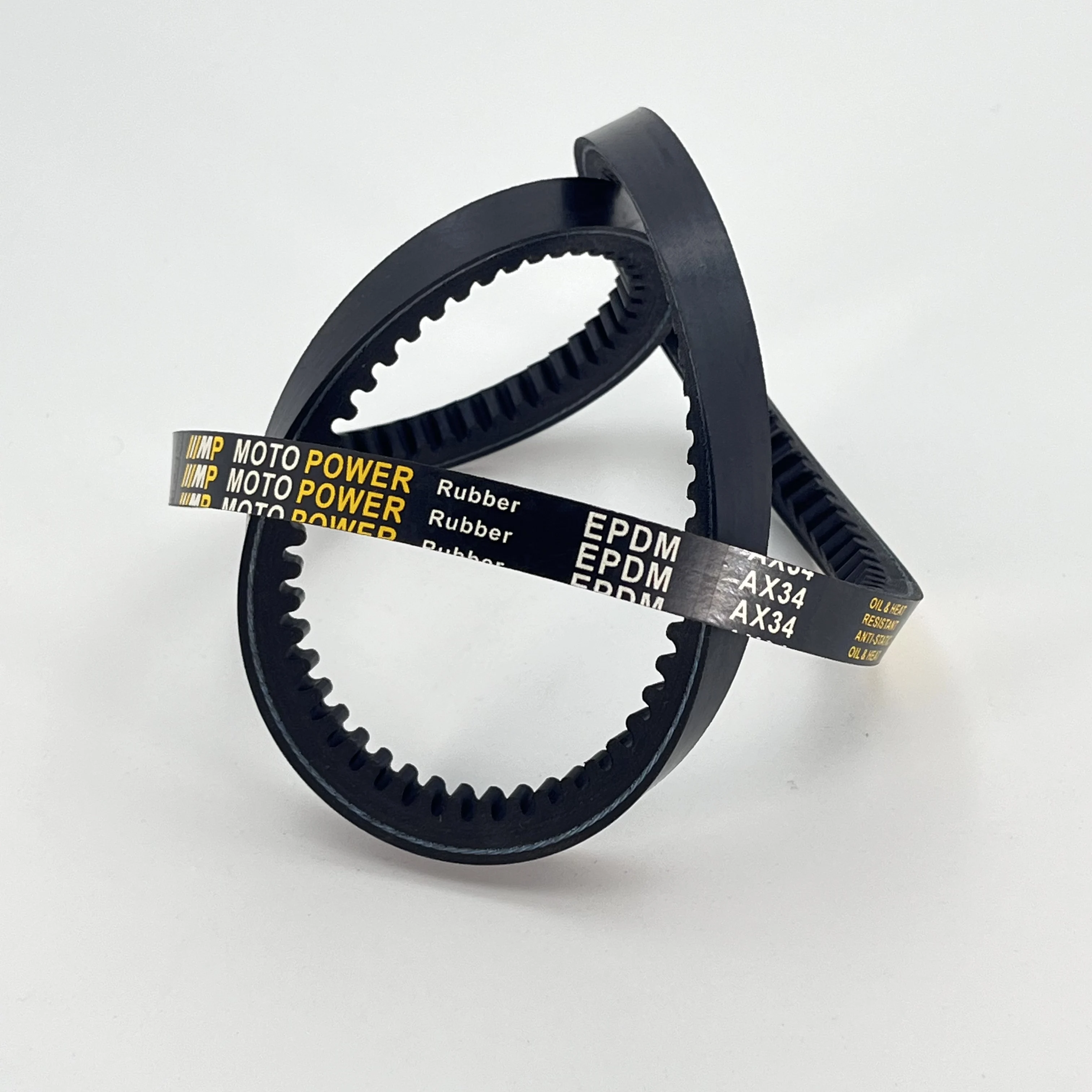
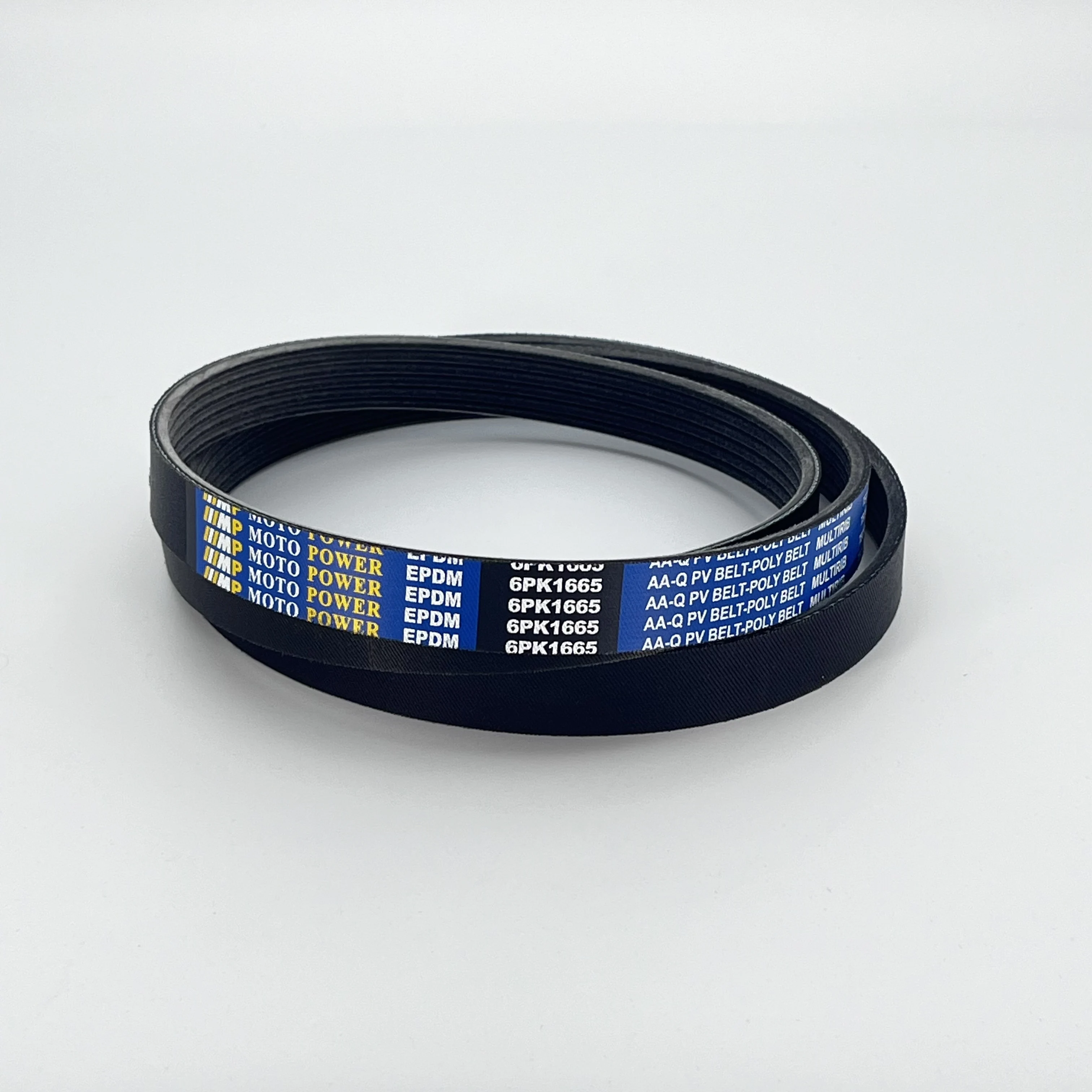
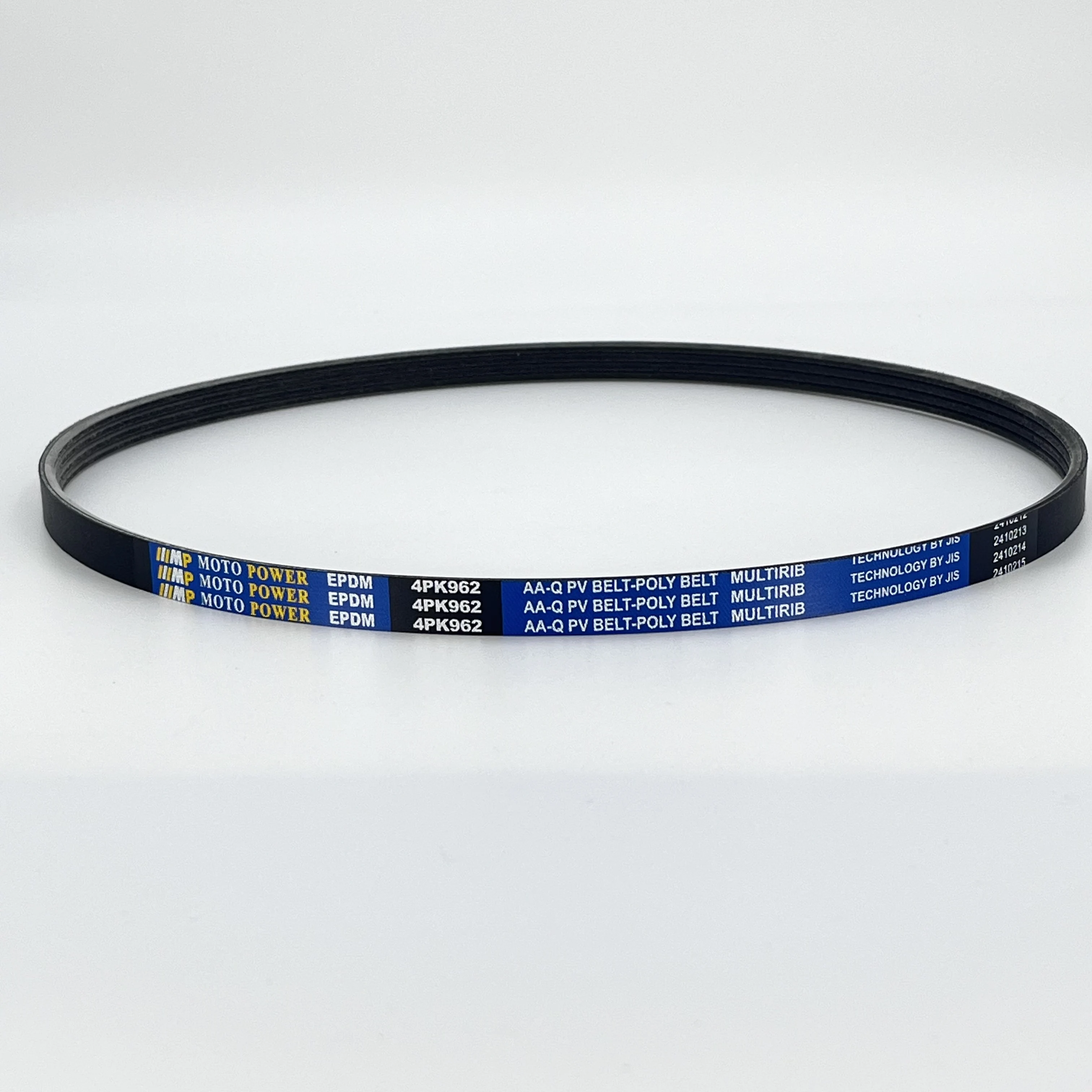
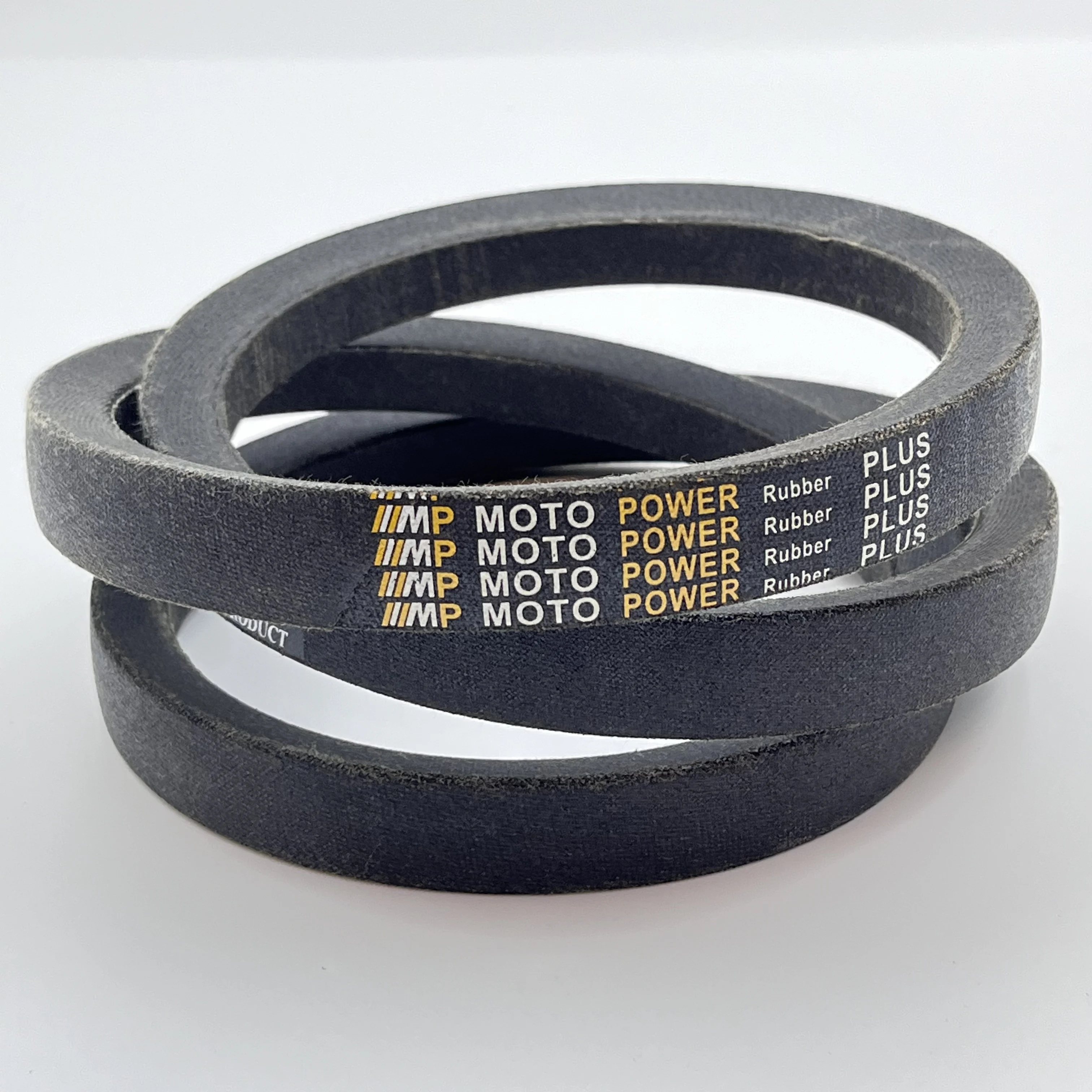
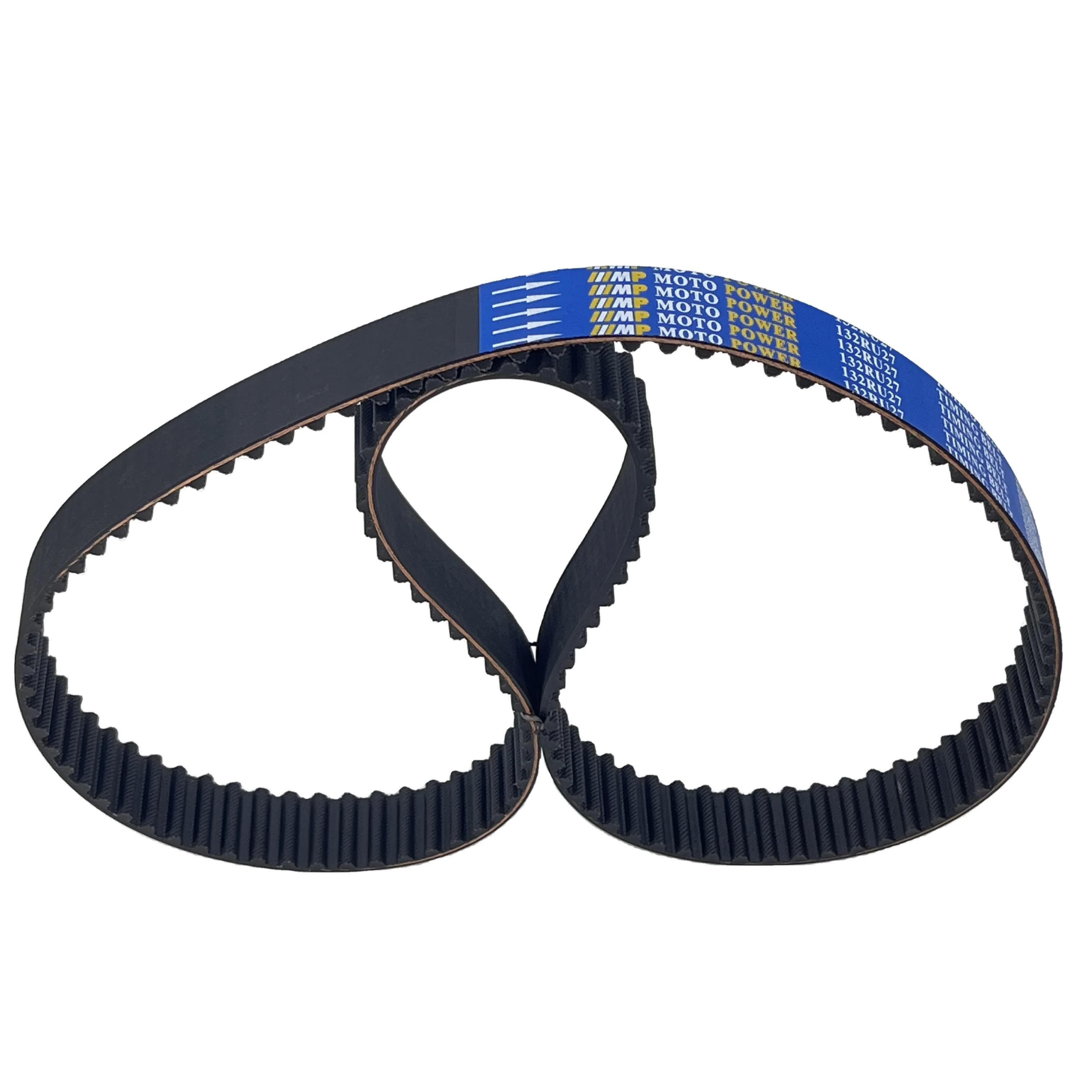
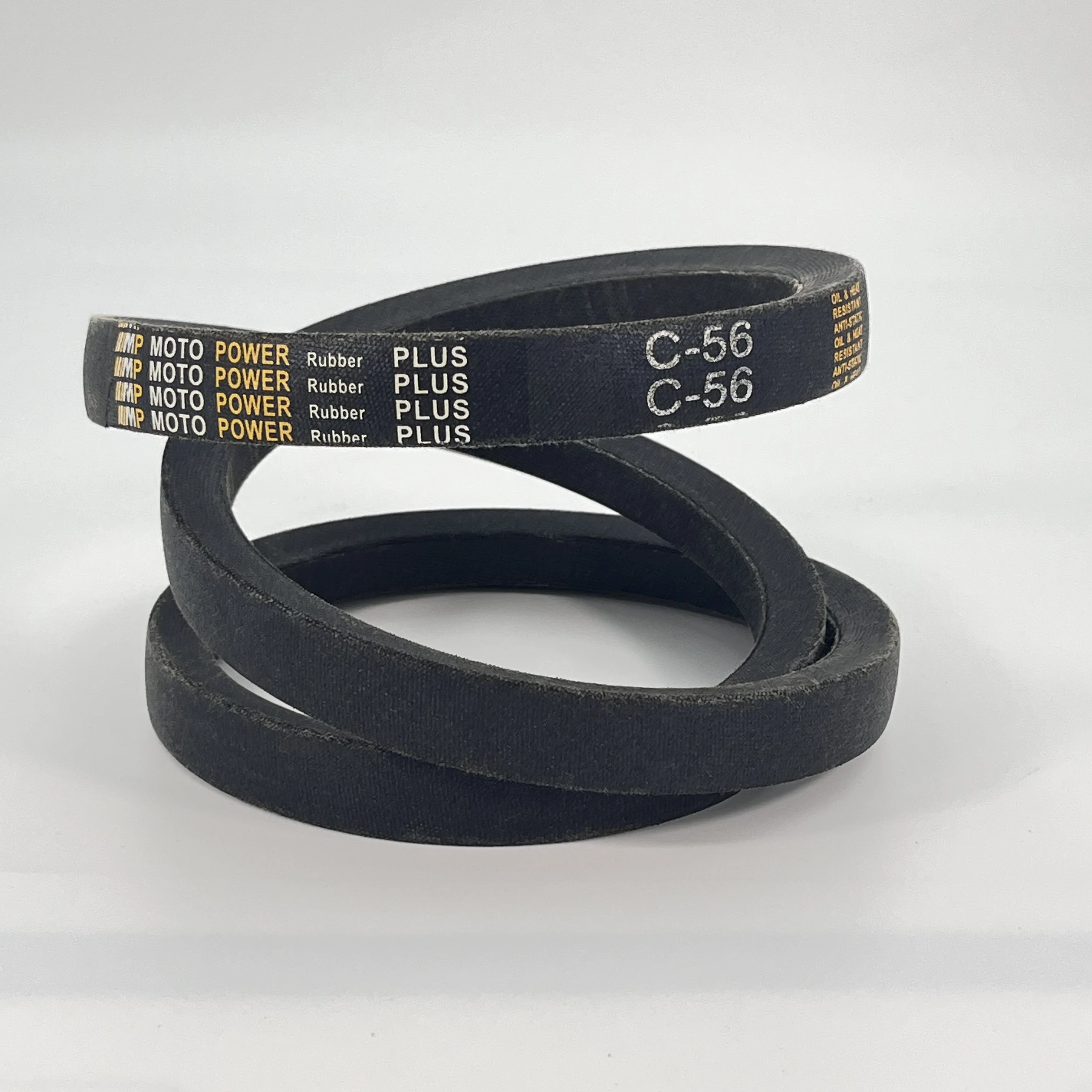
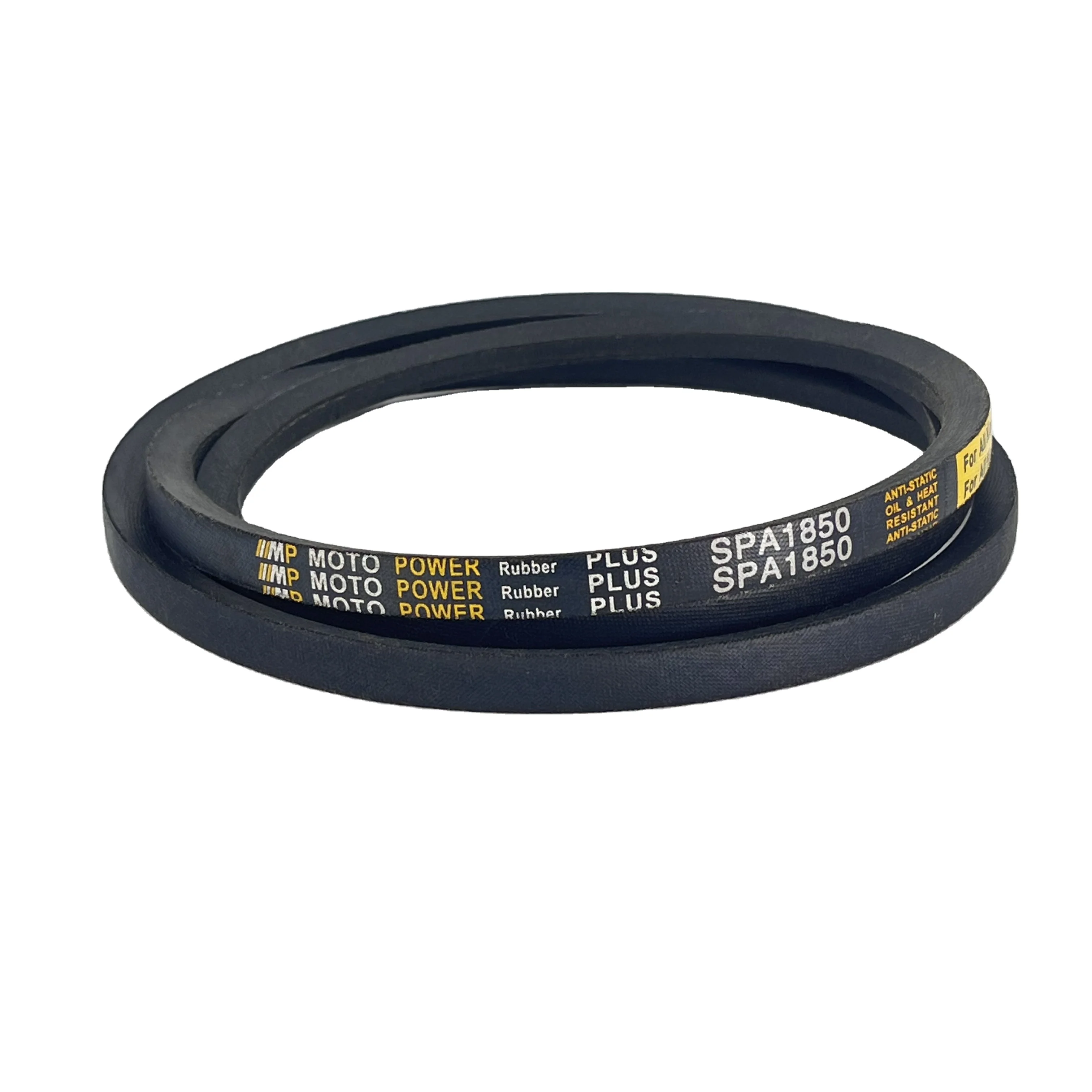
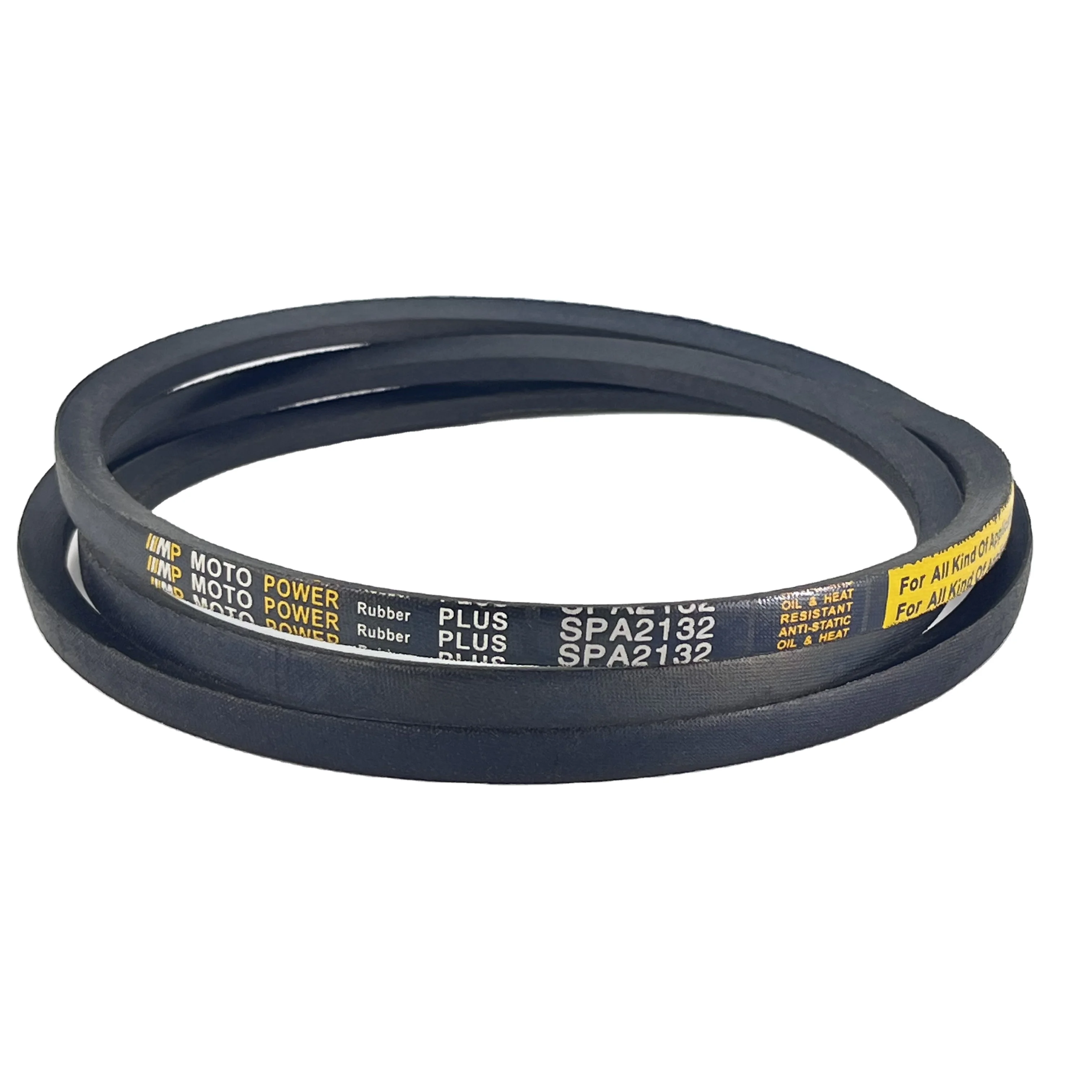
The drive belt in your vehicle has the important job of supplying power to the wheels from the engine. An old and worn belt by IIIMP MOTO POWER could be the reason your car suddenly breaks down. Replacing your transmission belt frequently can help avoid this and keep your car on the road. Check your car’s manual for the engine rubber belt recommended interval to change the transmission belt, but it’s often claimed that the belt runs for about the same number of miles as the life of a car: 60,000 to 100,000 miles.
There are a couple off other indications that you should be able to determine by IIIMP MOTO POWER if it’s time to change out the transmission belt. You may even hear a squealing sound from underneath the hood of your car — that’s a sign the belt is wearing out. You may also have difficulty changing gears, or your car may not be accelerating as much as it once did. So, if thick rubber belt any of these symptoms are present, it’s about time to take your transmission belt to an expert.
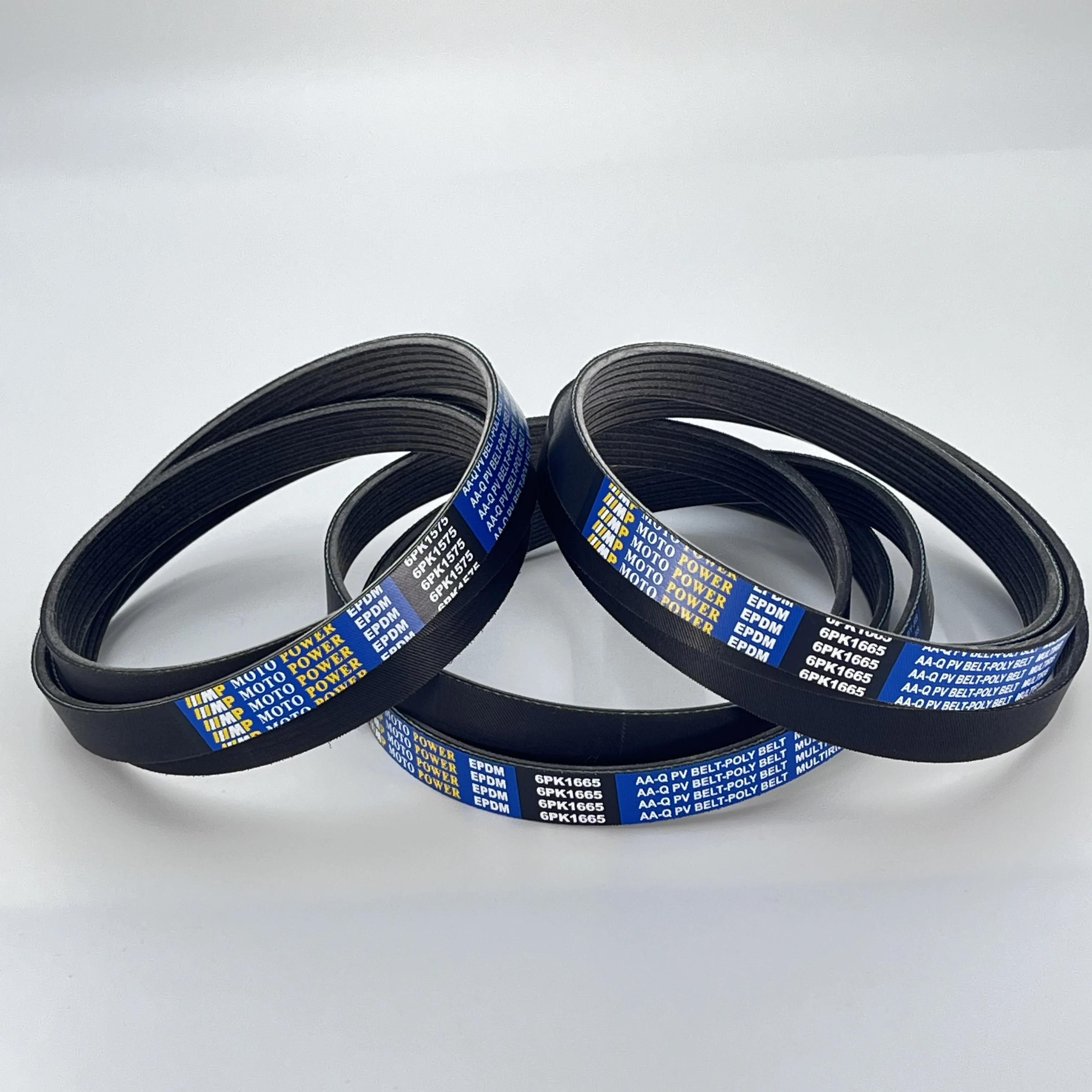
Installing a new drive belt is a little tricky so we suggest that you have IIIMP MOTO POWER do it. They have the means and the know-how to get it done right. First, they would check the belt to ensure it unconditionally needs replacement. After this, they will take out the old belt and replace it with the new one. At last they’ll test the rubber transmission belt new belt and check that everything is all in order.
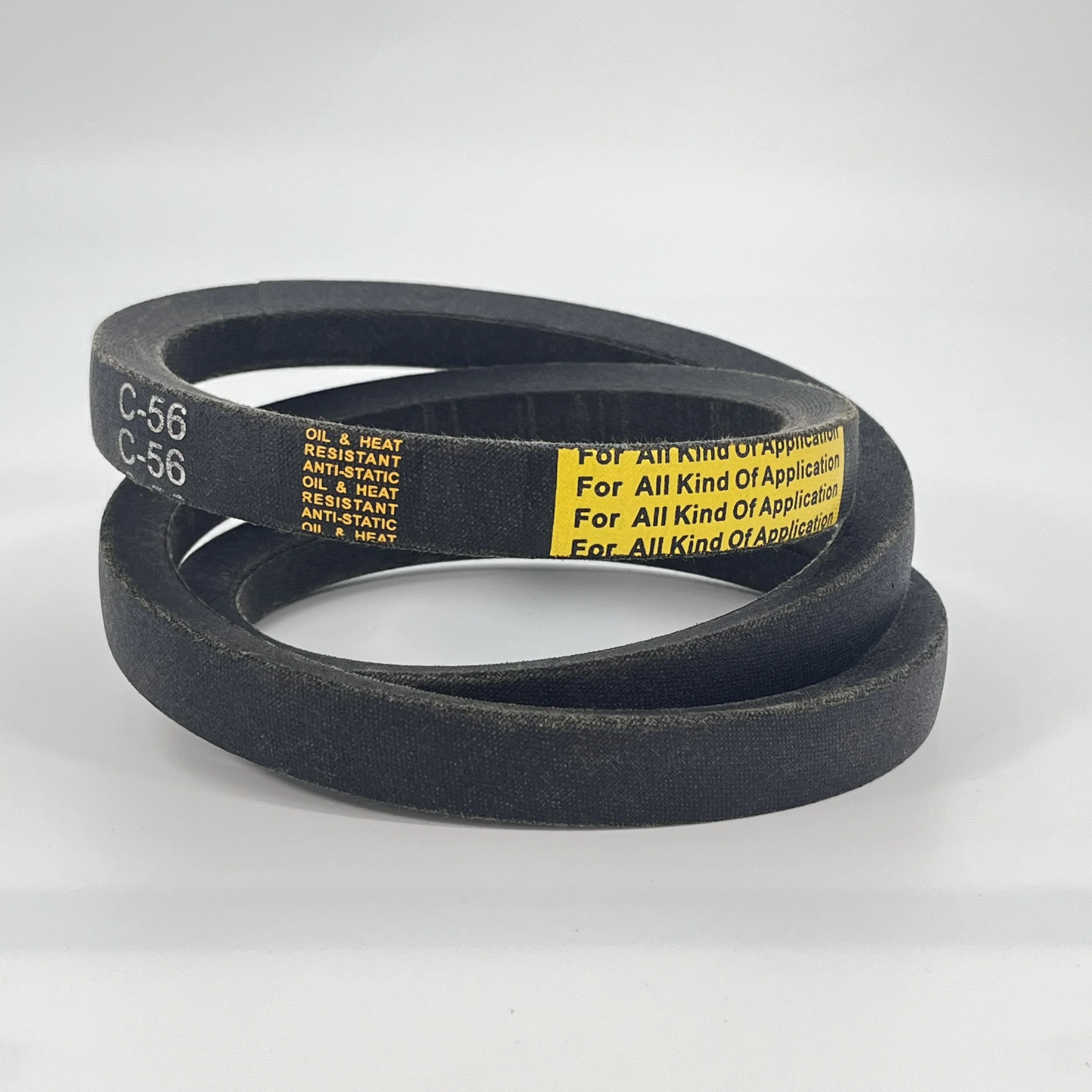
When it really is time for you to select a new transmission belt for your car or truck, there are a couple of factors. Obviously you want to make sure you have the right size and type of belt, for your particular make and model. It is also important to select a high-quality belt that thick rubber belt will last for many years. IIIMP MOTO POWER can assist you[choose]the proper one and have it installed properly for your vehicle.
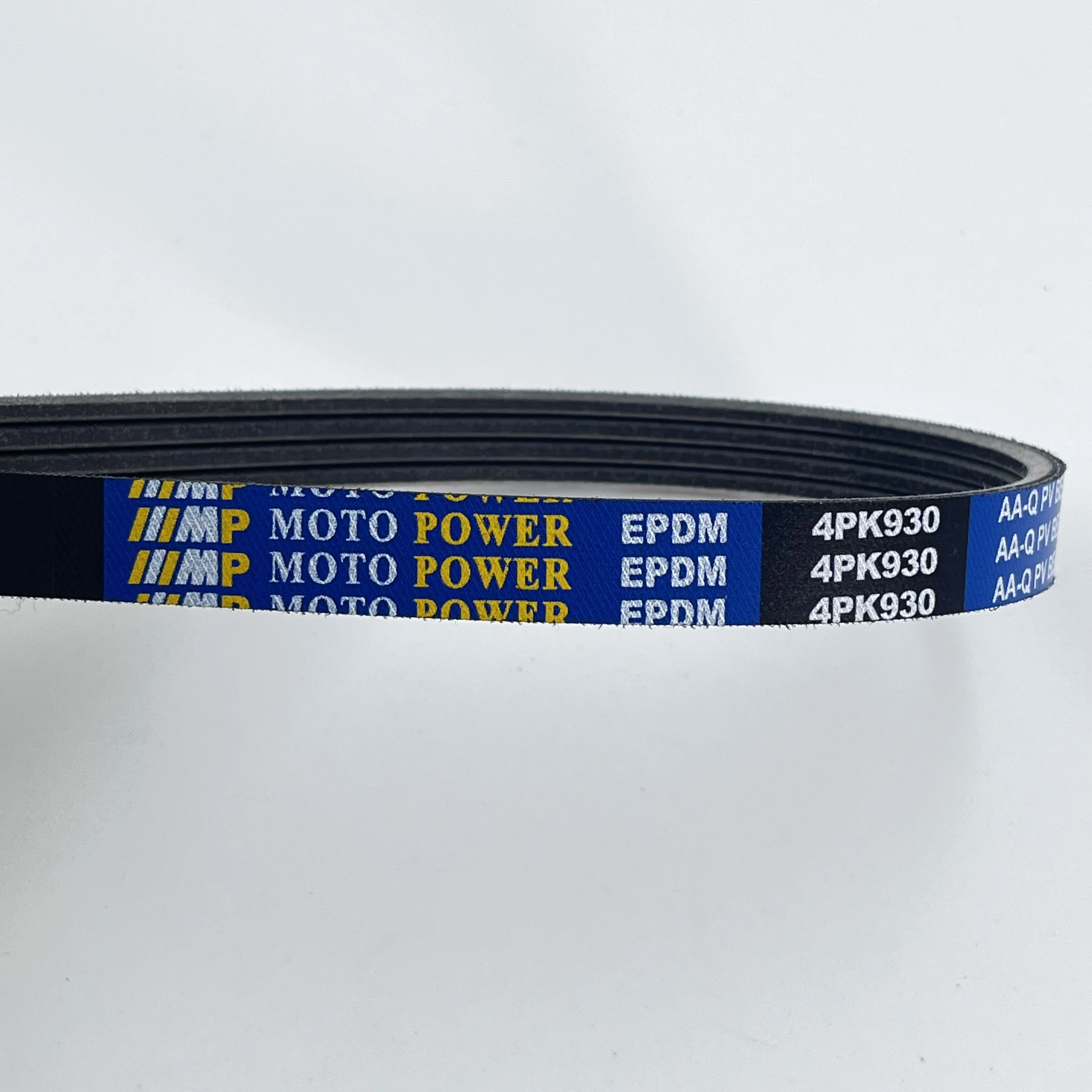
If you’ve recently had a transmission belt placed in your vehicle, you’ll want to take some steps to extending its life. Don’t forget to stay on top of standard car maintenance, such as oil changes and tire rotations. Try not to drive very vigorously as it engine rubber belt can add additional pressure on the belt. And always get your transmission belt inspected by a trained professional on a regular basis to identify any problems early.
Our rubber belts are engineered for superior performance in demanding conditions, combining durable materials and innovative designs to deliver longer service life, reduced downtime, and cost-efficient operation for industrial power transmission applications.
Adhering to international standards with traceable production and rigorous quality control from raw materials to finished goods, we provide comprehensive after-sales support to ensure customer satisfaction, seamless cross-border logistics, and hassle-free long-term usage.
With a 45,000-square-meter facility and an annual production capacity of 11 million pieces, our operations are supported by a specialized R&D team of 20+ experts and over 60 patented technologies, ensuring precision engineering and high-volume reliability for both OEM and aftermarket clients.
We offer full-service OEM/ODM collaboration—from custom R&D and prototyping to scalable manufacturing—backed by professional technical consultation and tailored product selection to meet specific client requirements and application challenges.

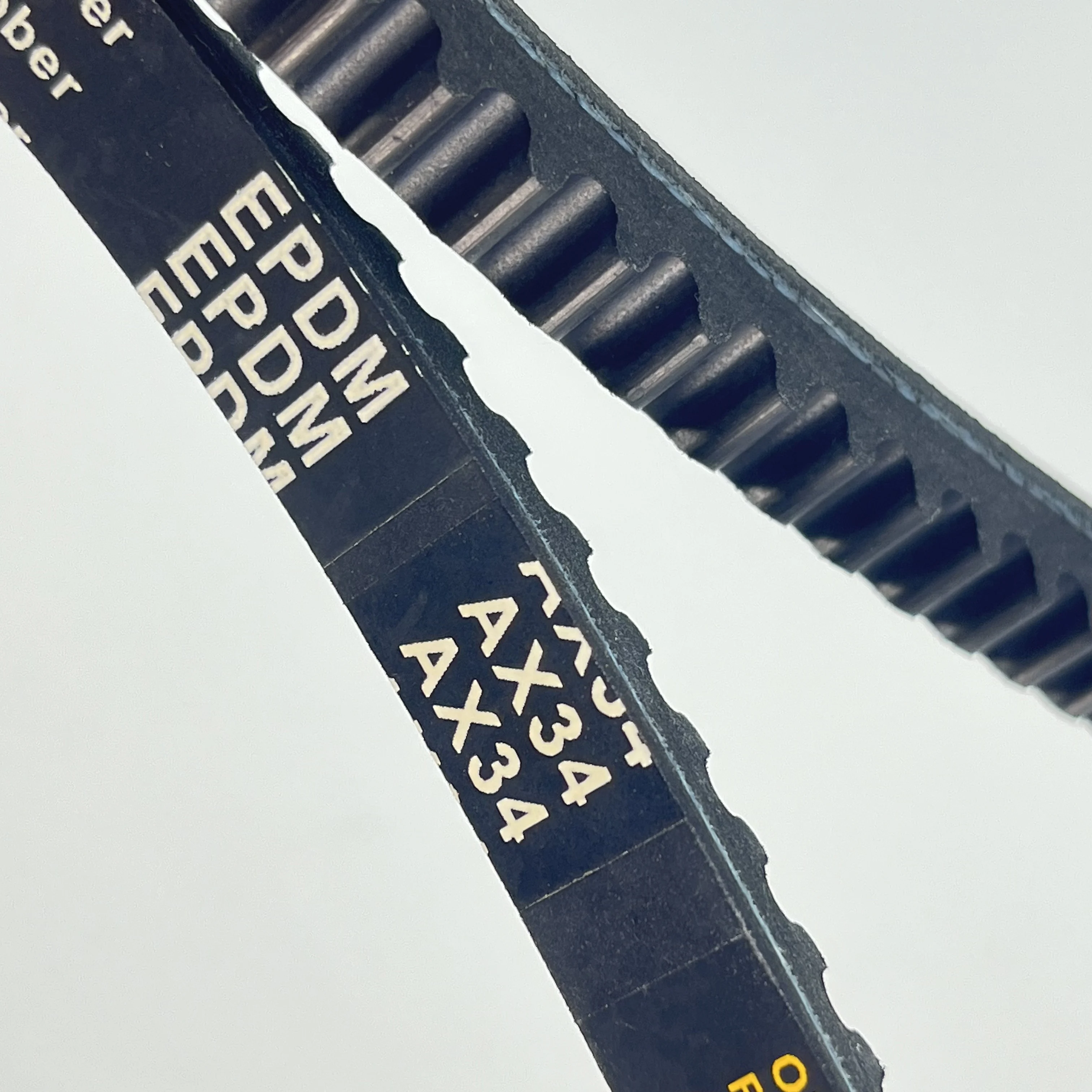
Moto Power supplies premium rubber belts including Classica V-Belt, Cogged V-Belts, Poly Ribbed V-Belt, Timing Belts and more.
No. 588, Tiantong (S) Rd, Yinzhou, Ningbo, Zhejiang, China
Copyright © Ningbo HZ International Trade Co., Ltd. All Rights Reserved - Privacy Policy - Blog
 EN
EN