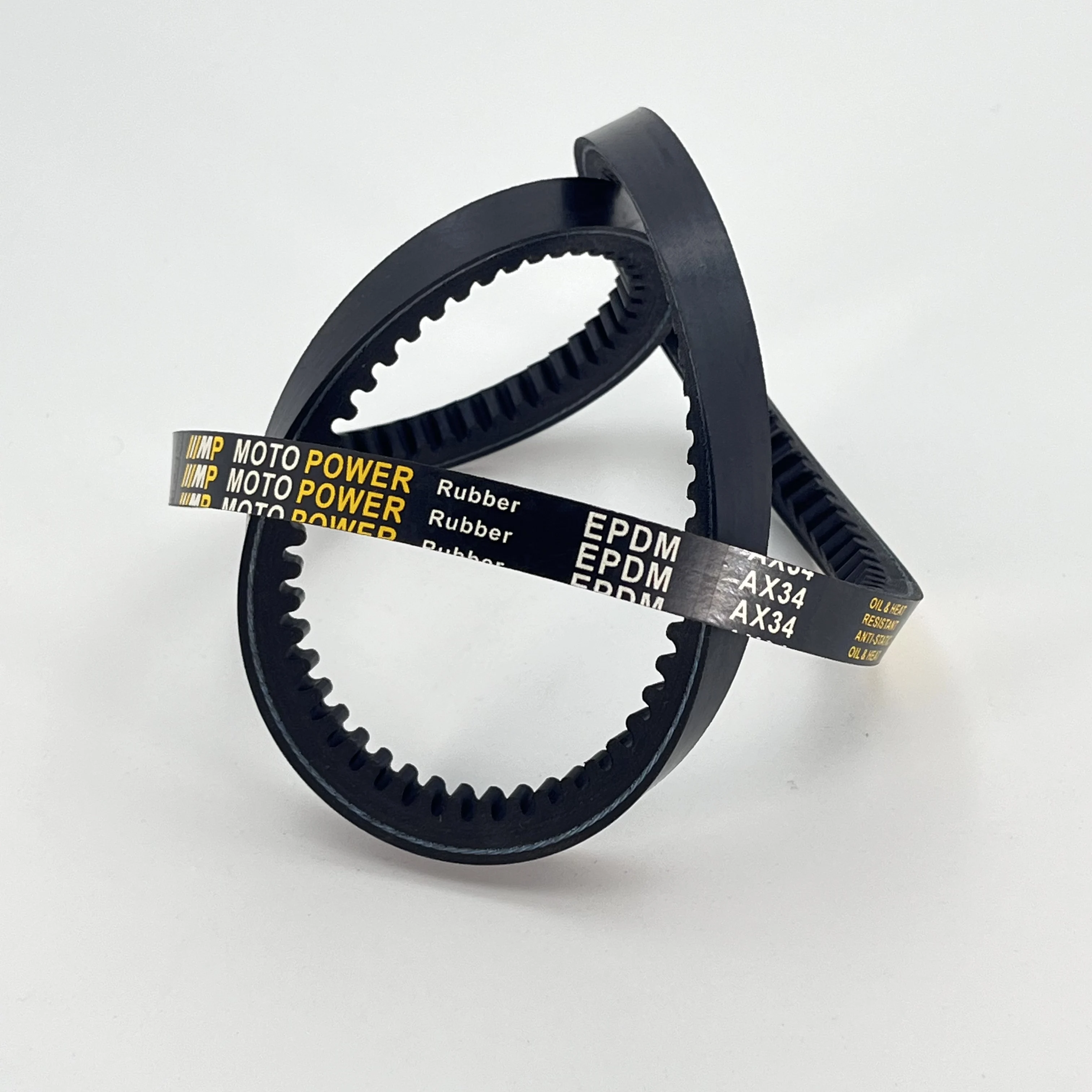
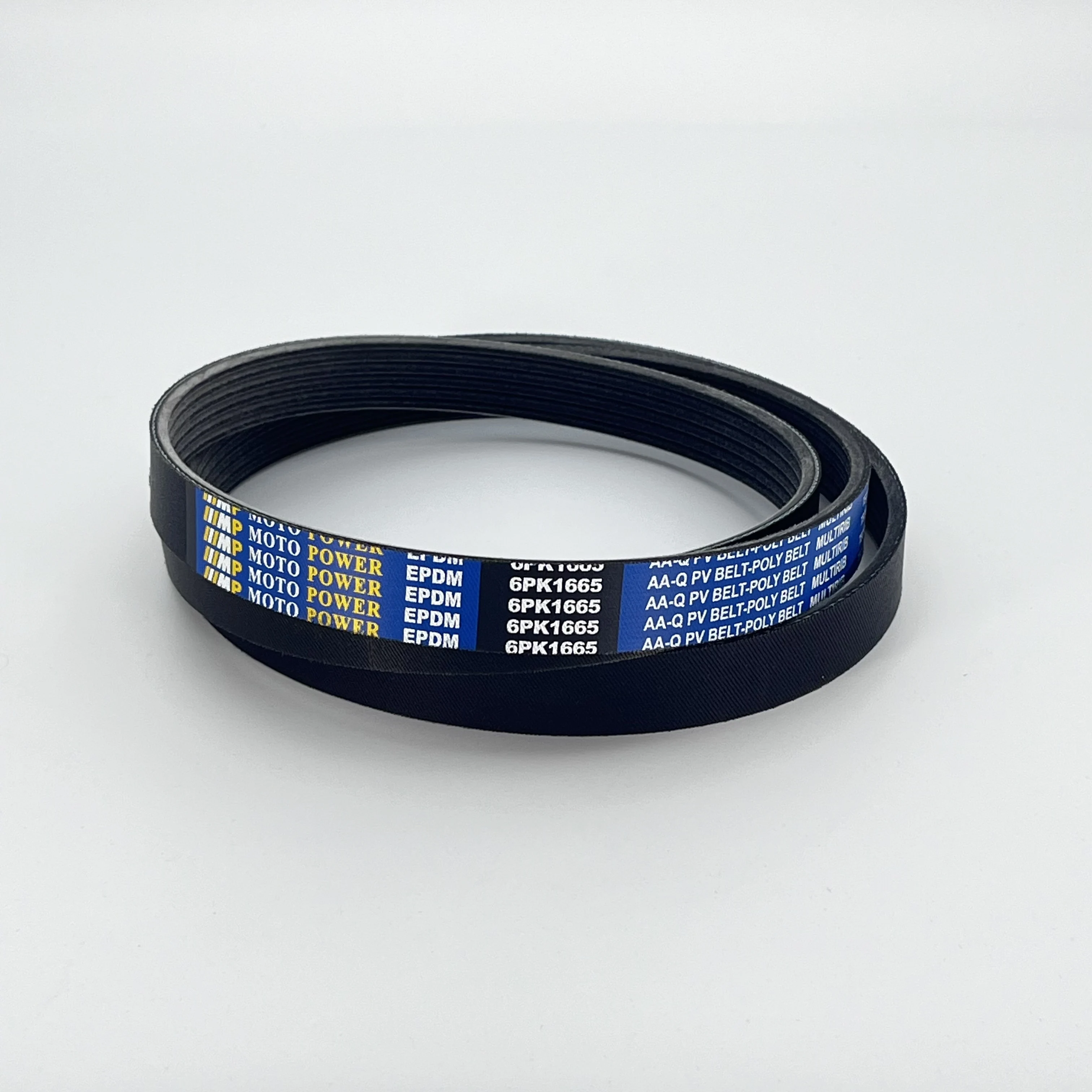
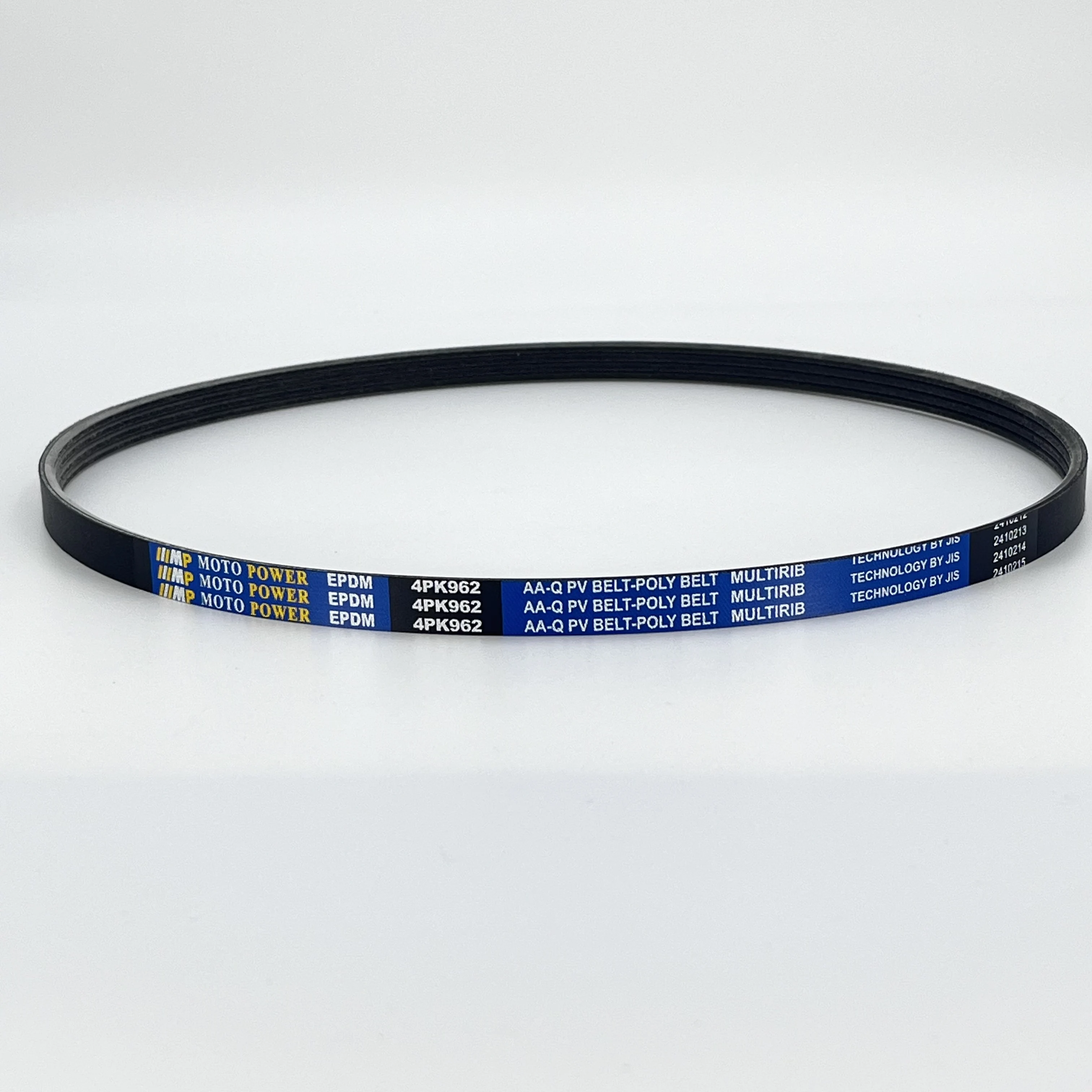
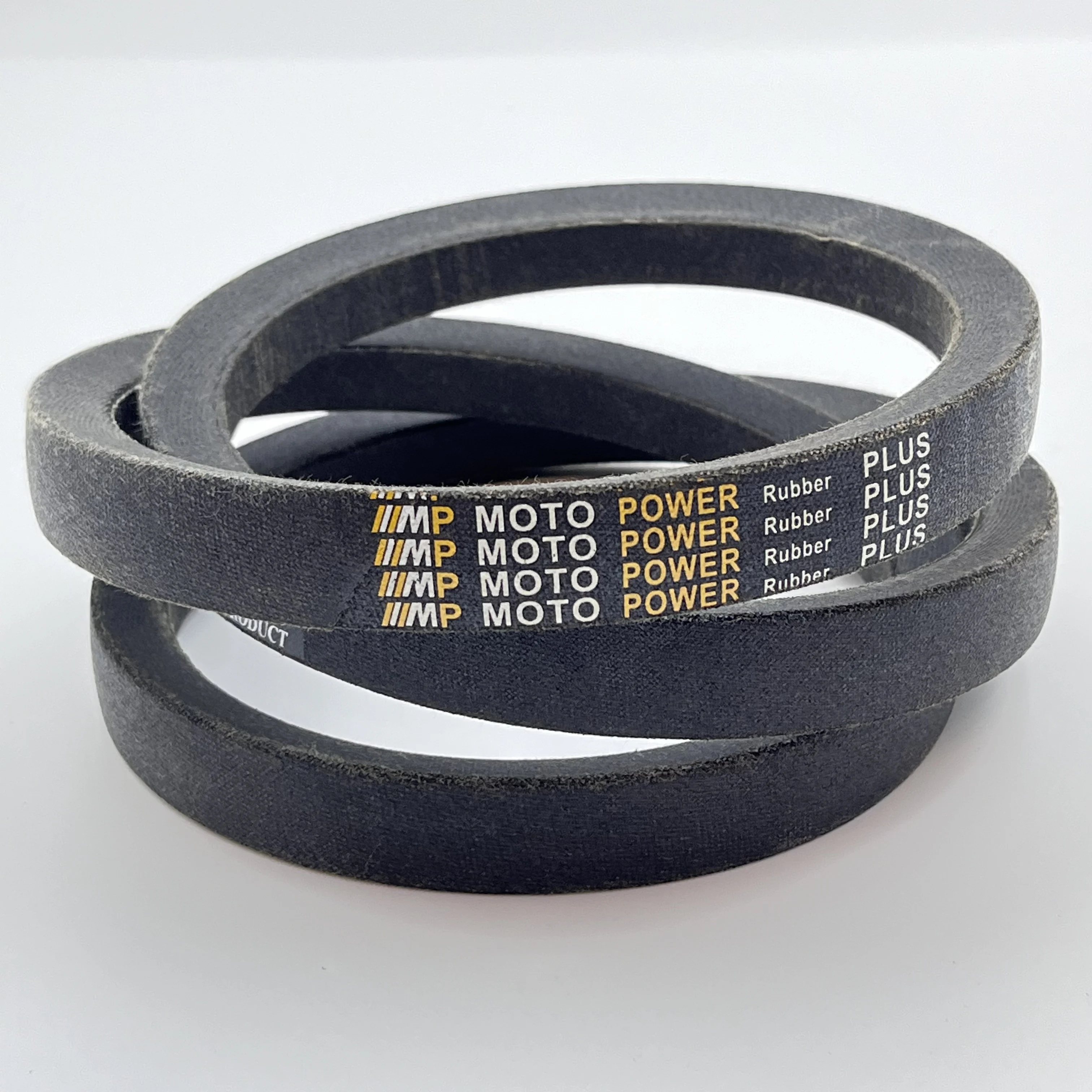
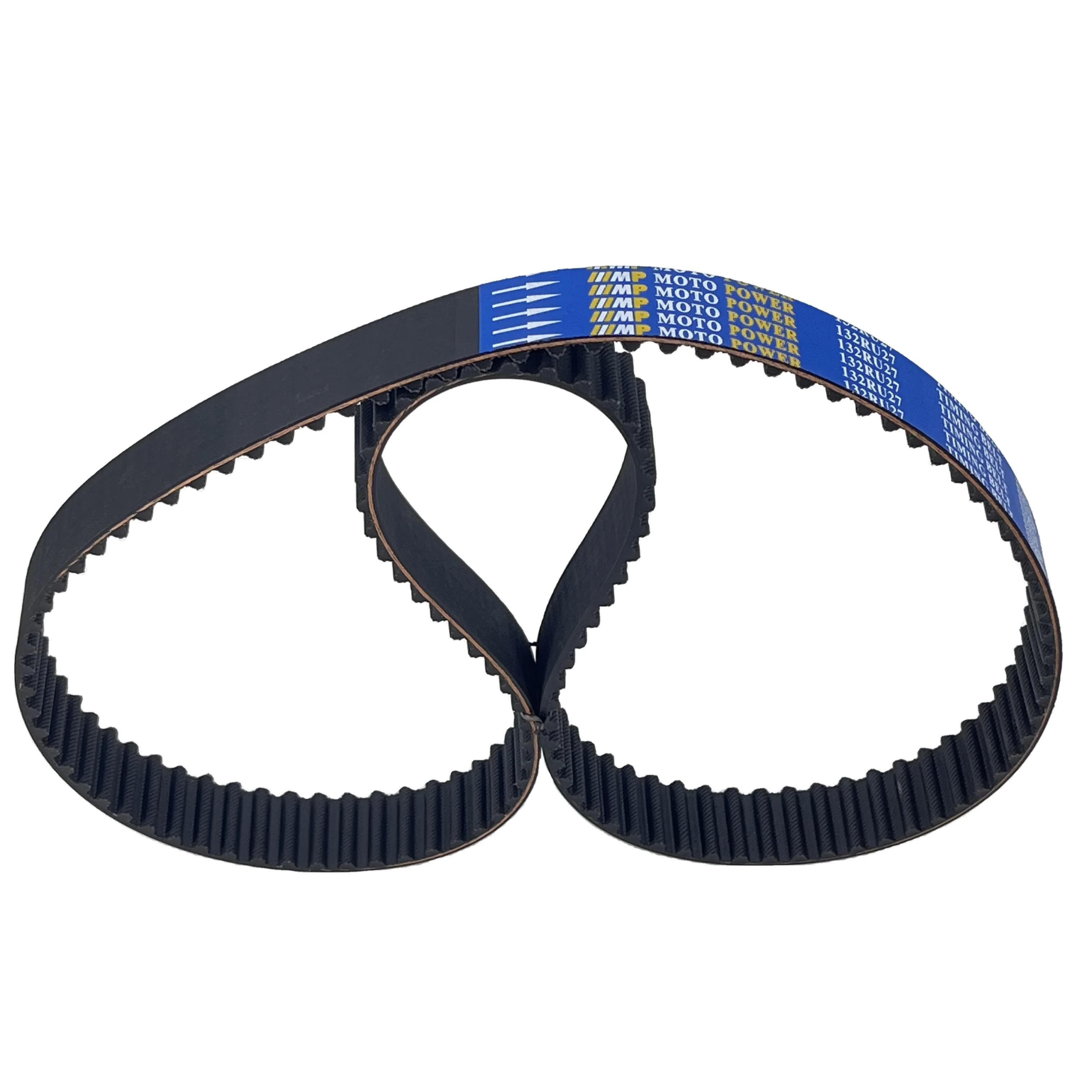
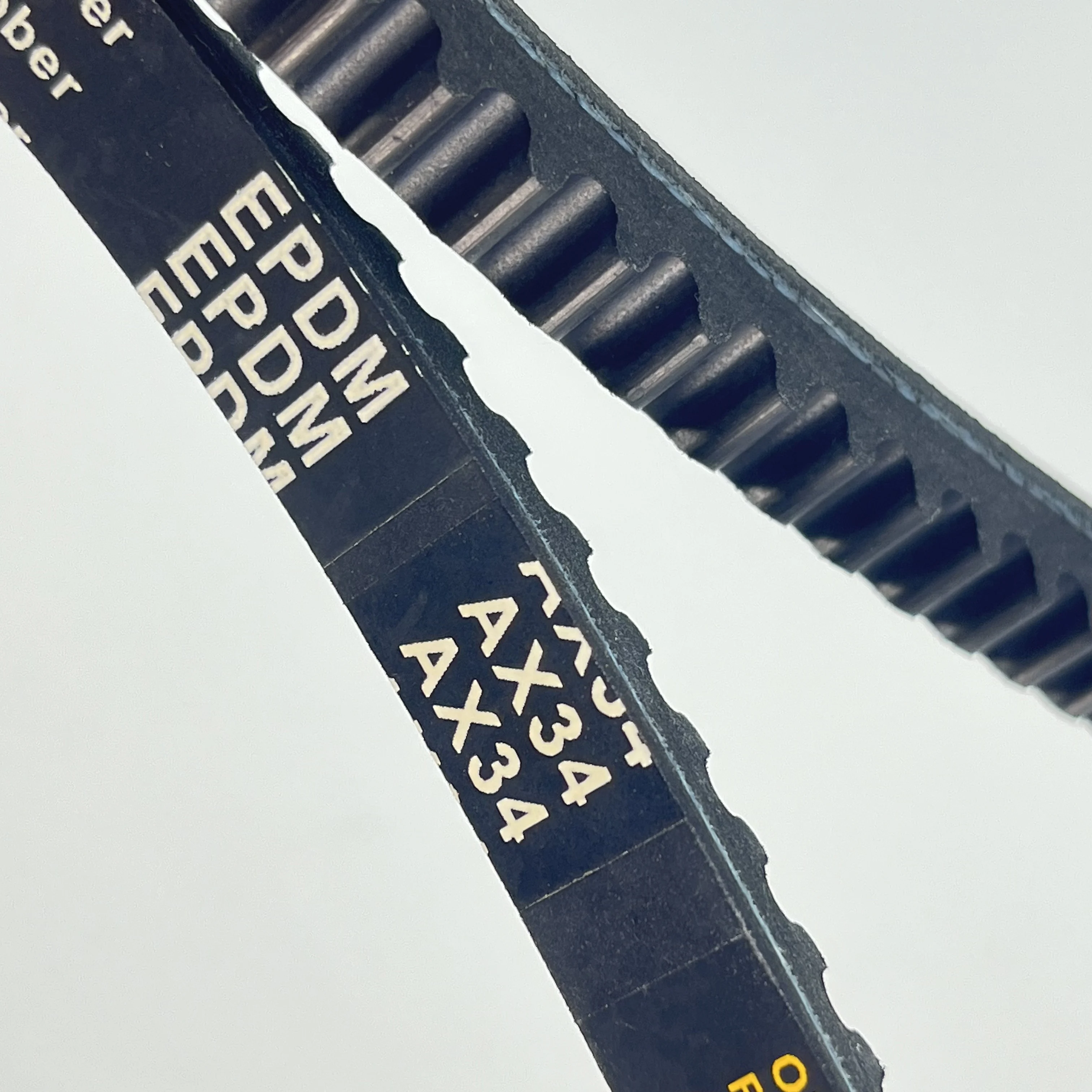
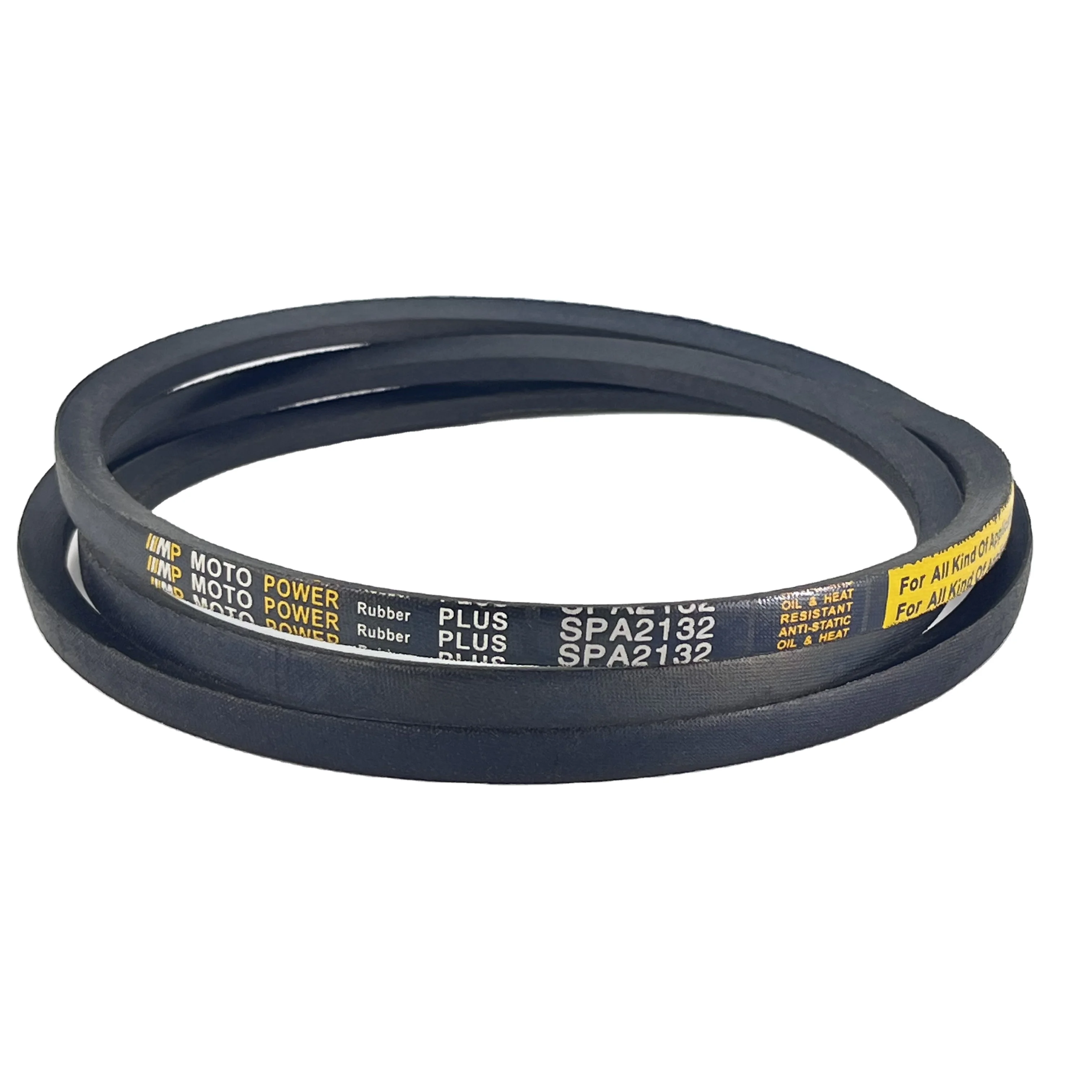
Your IIIMP MOTO POWER car’s engine needs the Toyota timing belt to keep it running smoothly. To Read: Importance of Replacing Your Toyota Timing Belt In this post, we will discuss: The importance of replacing your Toyota timing belt Warning signs that let you know that your timing belt is due for replacement How to change a timing belt Replacing timing belt cost and timetable How to make your timing belt last for years.
Your timing belt is responsible for ensuring that the engine's valves open and close at the correct times. If your car’s timing belt breaks or wears thinner than it should, you could end up with some very expensive problems on your hands. So you want to replace the timing belt on your car at the recommended interval to prevent any failure and keep your car running problem-free.
There are some signals to watch for that may point to a dying timing belt. Listed below are the conditions when you should change your timing belt rubber. If there is a ticking noise coming from the top of the engine, oil leaking from the timing belt cover, poor engine performance, an engine that misfires or stalls it is time to replace your vehicle's timing belt. All these symptoms are warning signs, and you should visit the mechanic immediately if you notice any of these signs.
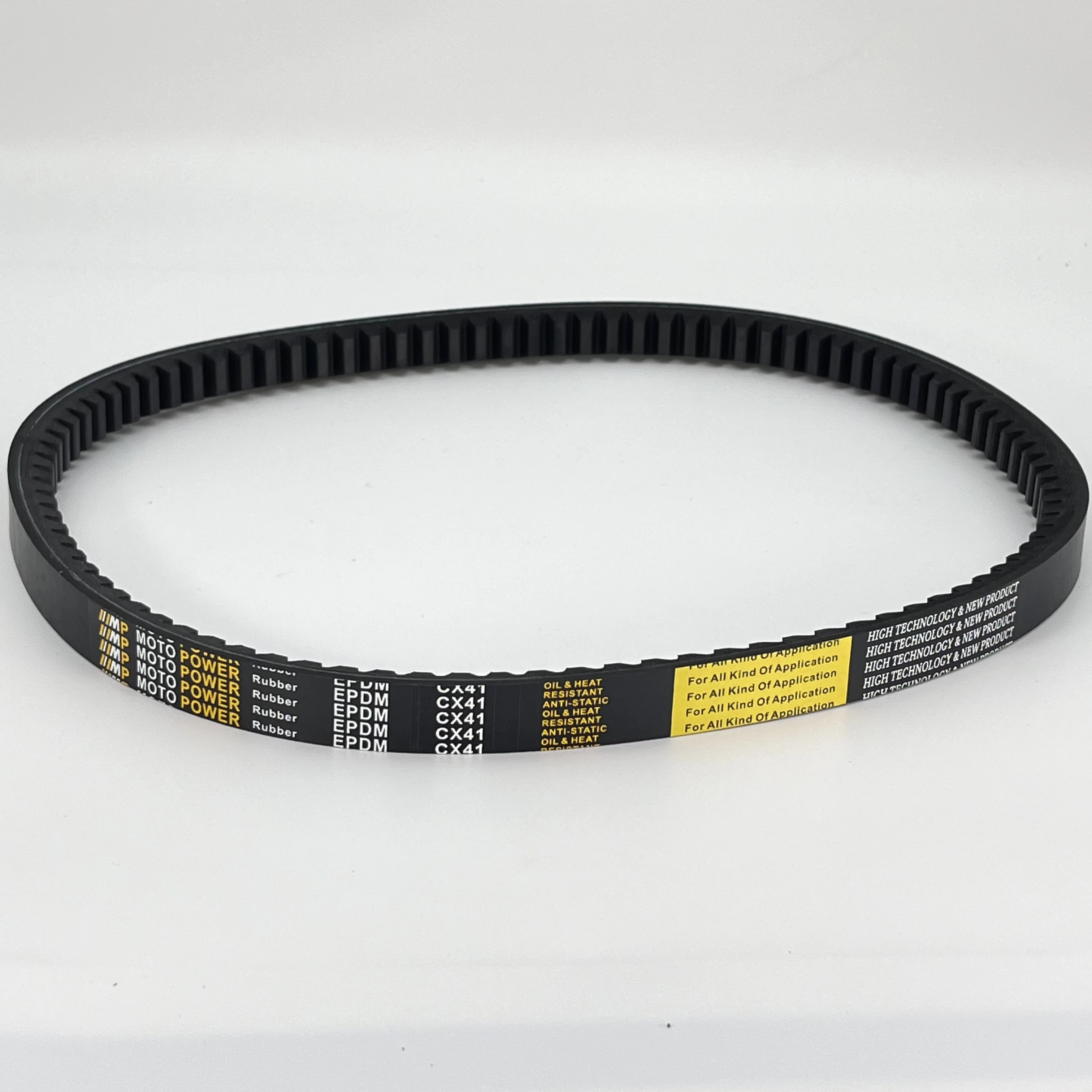
Replacing the timing belt on your car is not a simple task and should be performed by a professional mechanic. The mechanic will replace the timing belt, sometimes also the pulleys and tensioner, following the guidance of the car's manufacturer. It is important to adhere to your timing belt toyota service schedule and replace the belt on time whether it looks worn out or not.
How much does it cost to have your timing belt replaced on our IIIMP MOTO POWER? In total, you can expect to pay somewhere between $500 and $1,500 to change your propeller for a new timing belt. The price for replacing a timing belt may vary from $300 to $800 on average. Generally speaking What Car?'s advice is to change your timing belt every 60,000 miles to 100,000 miles, however, your owner's manual is the ultimate authority on when it should be swapped.
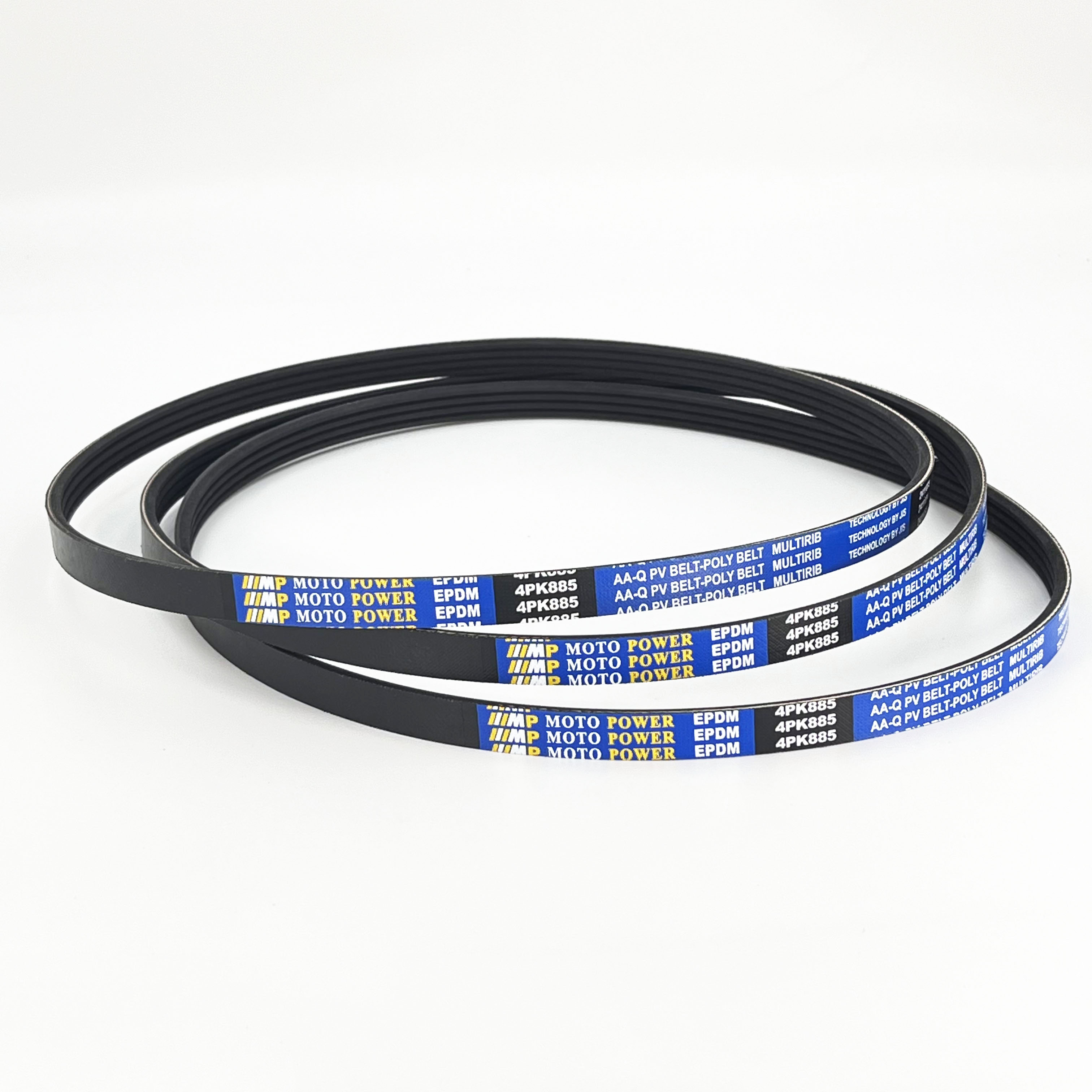
If you want your IIIMP MOTO POWER to serve you long, life, and even run a lot longer, then it's very important to follow the recommended maintenance intervals for the Timing Belt, and have your motor look at by a skilled mechanic. Try to avoid driving in very hot or cold temperatures, ensure that your engine is well tuned, and replace the water pump when you replace that timing belt, and plan to have it replaced every 60000-100000 miles. By simply maintaining your car’s timing belt you can avoid unexpected and potentially pricey auto repairs, saving yourself money and maintaining your car’s engine for many years to come.
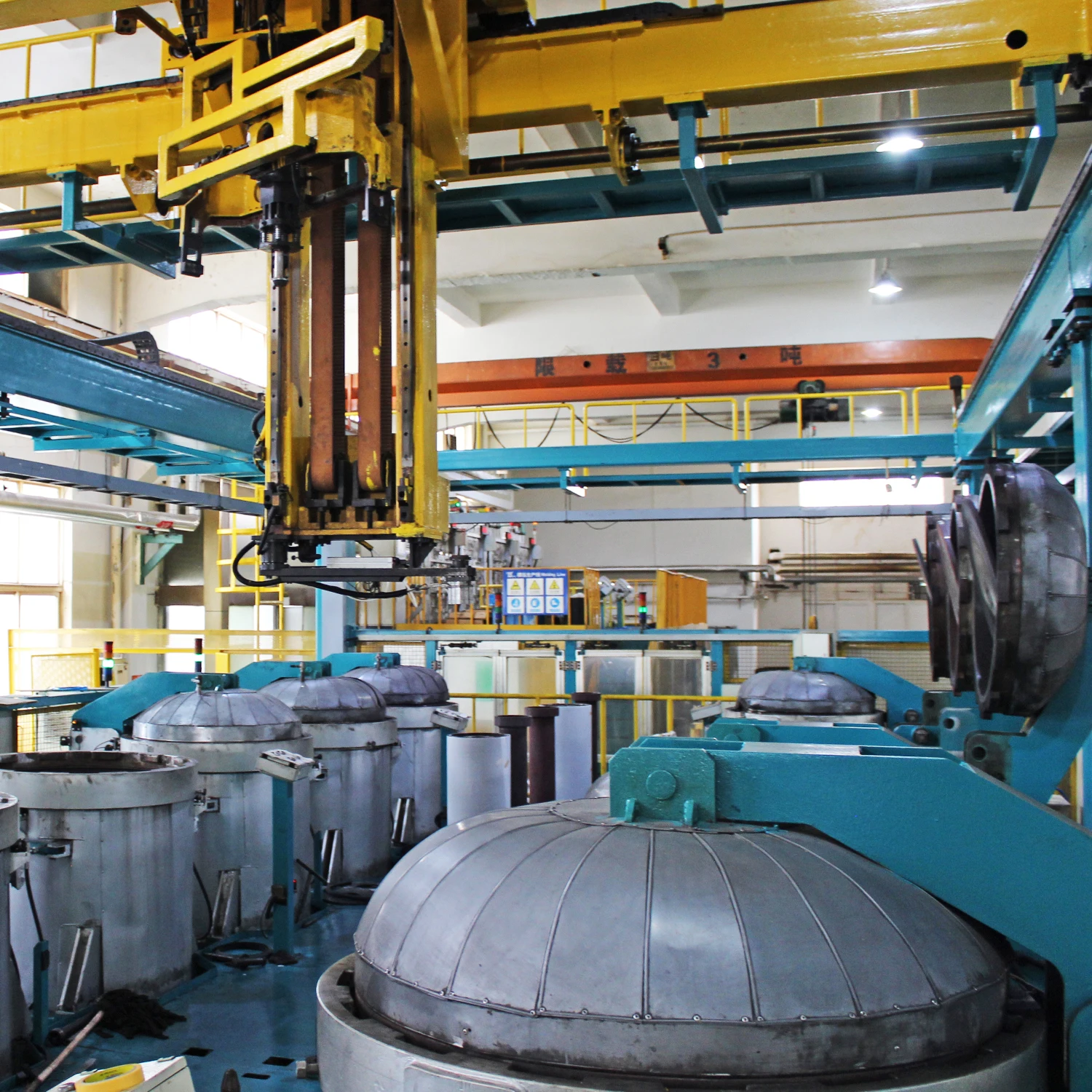
With a 45,000-square-meter facility and an annual production capacity of 11 million pieces, our operations are supported by a specialized R&D team of 20+ experts and over 60 patented technologies, ensuring precision engineering and high-volume reliability for both OEM and aftermarket clients.
Adhering to international standards with traceable production and rigorous quality control from raw materials to finished goods, we provide comprehensive after-sales support to ensure customer satisfaction, seamless cross-border logistics, and hassle-free long-term usage.
We offer full-service OEM/ODM collaboration—from custom R&D and prototyping to scalable manufacturing—backed by professional technical consultation and tailored product selection to meet specific client requirements and application challenges.
Our rubber belts are engineered for superior performance in demanding conditions, combining durable materials and innovative designs to deliver longer service life, reduced downtime, and cost-efficient operation for industrial power transmission applications.

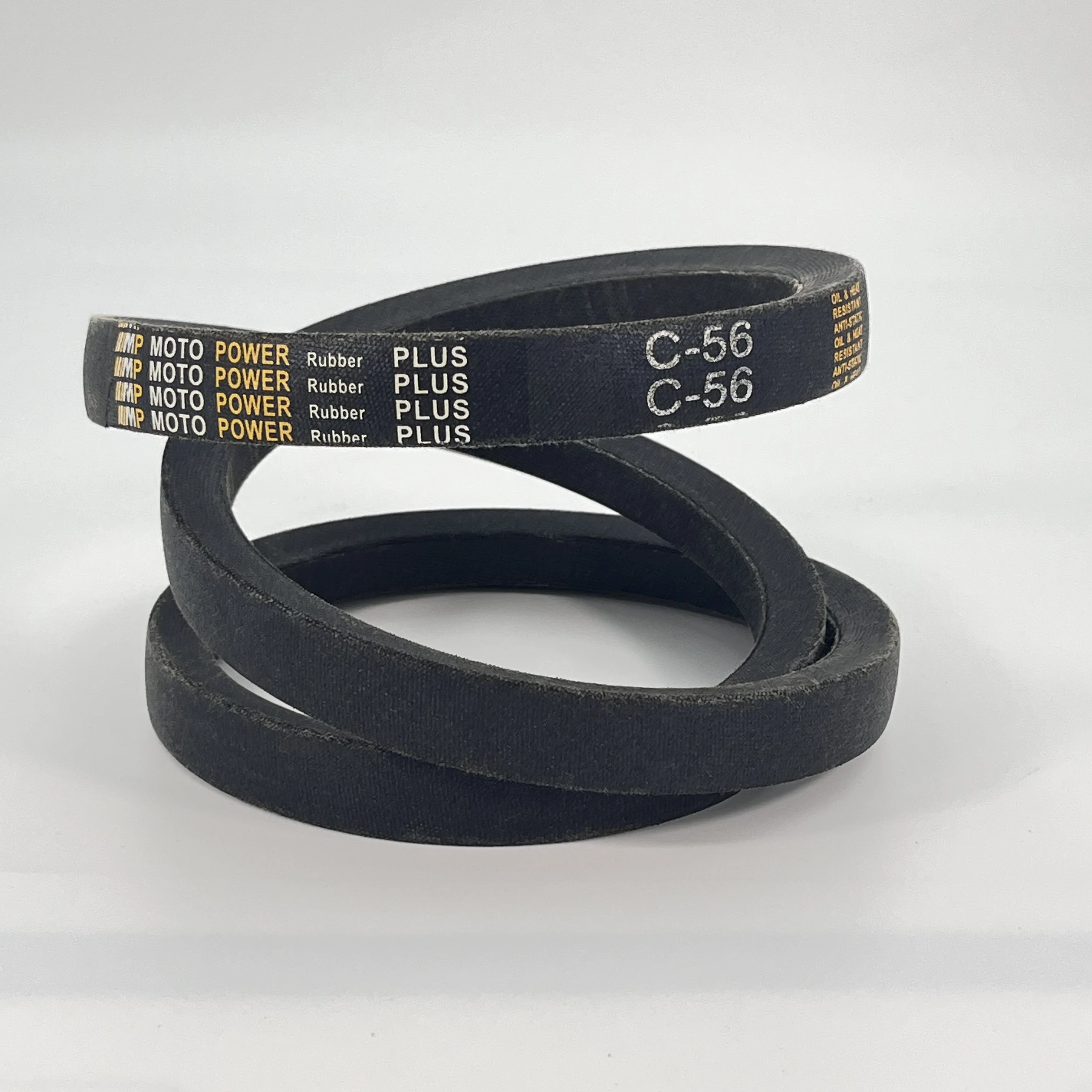
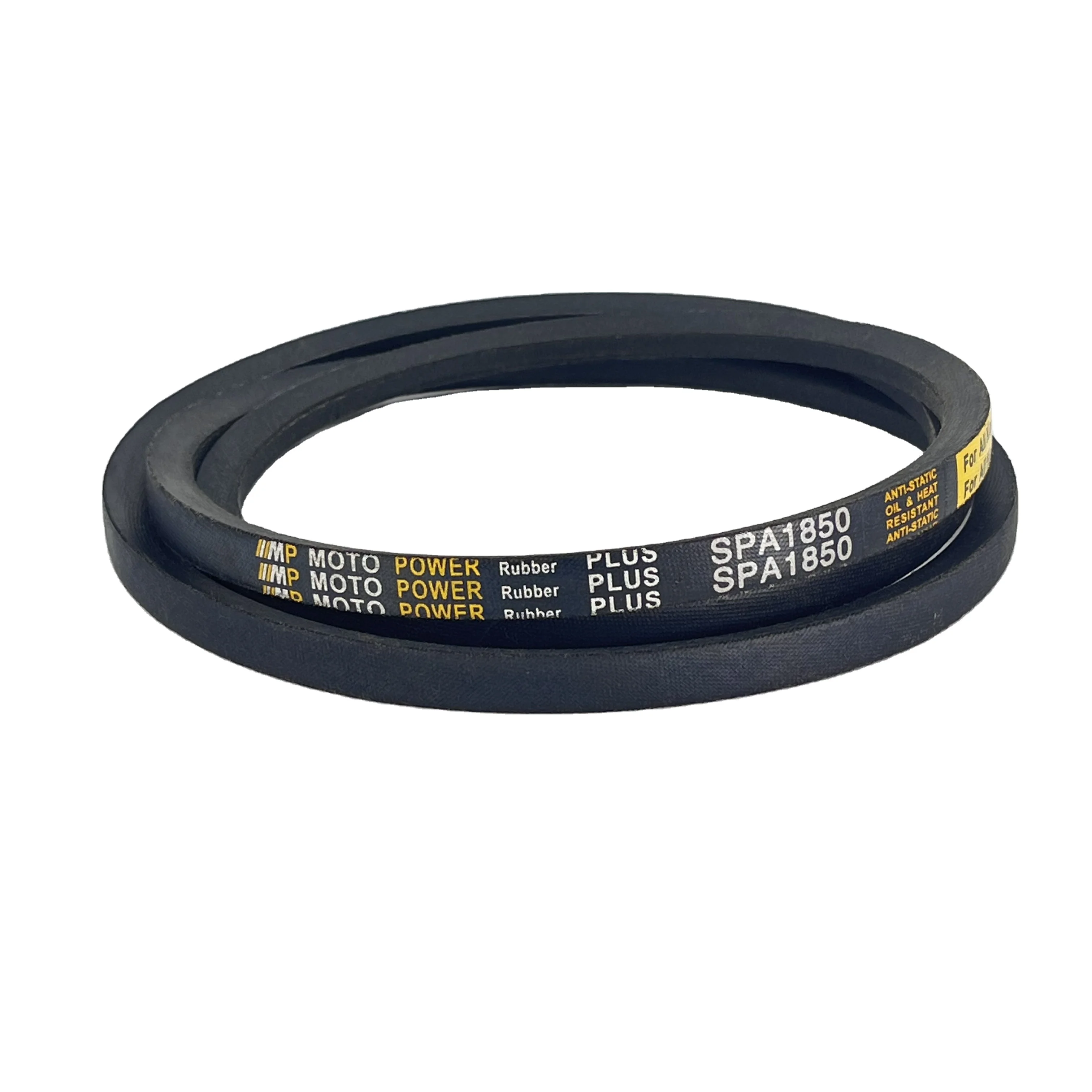
Moto Power supplies premium rubber belts including Classica V-Belt, Cogged V-Belts, Poly Ribbed V-Belt, Timing Belts and more.
No. 588, Tiantong (S) Rd, Yinzhou, Ningbo, Zhejiang, China
Copyright © Ningbo HZ International Trade Co., Ltd. All Rights Reserved - Privacy Policy - Blog
 EN
EN