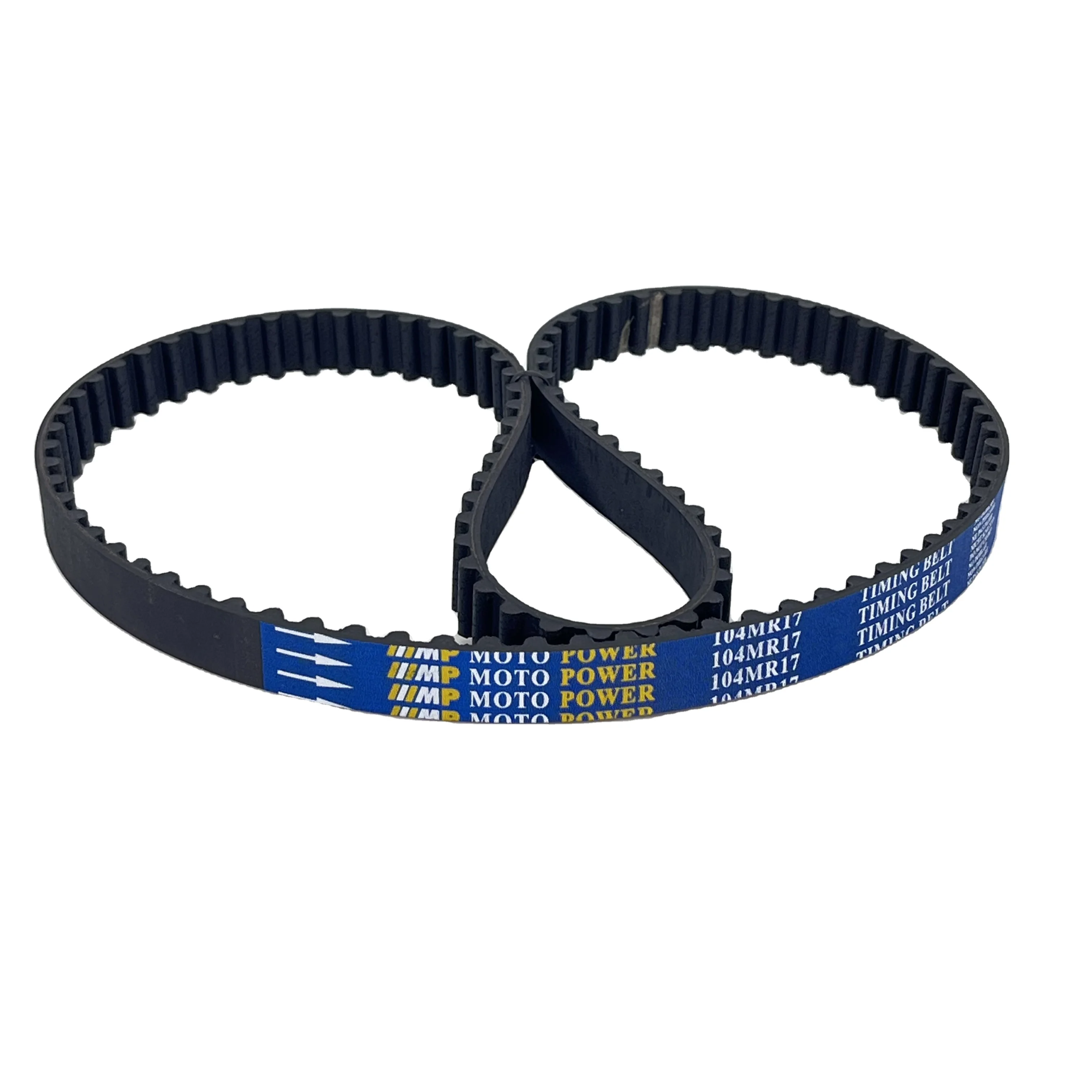
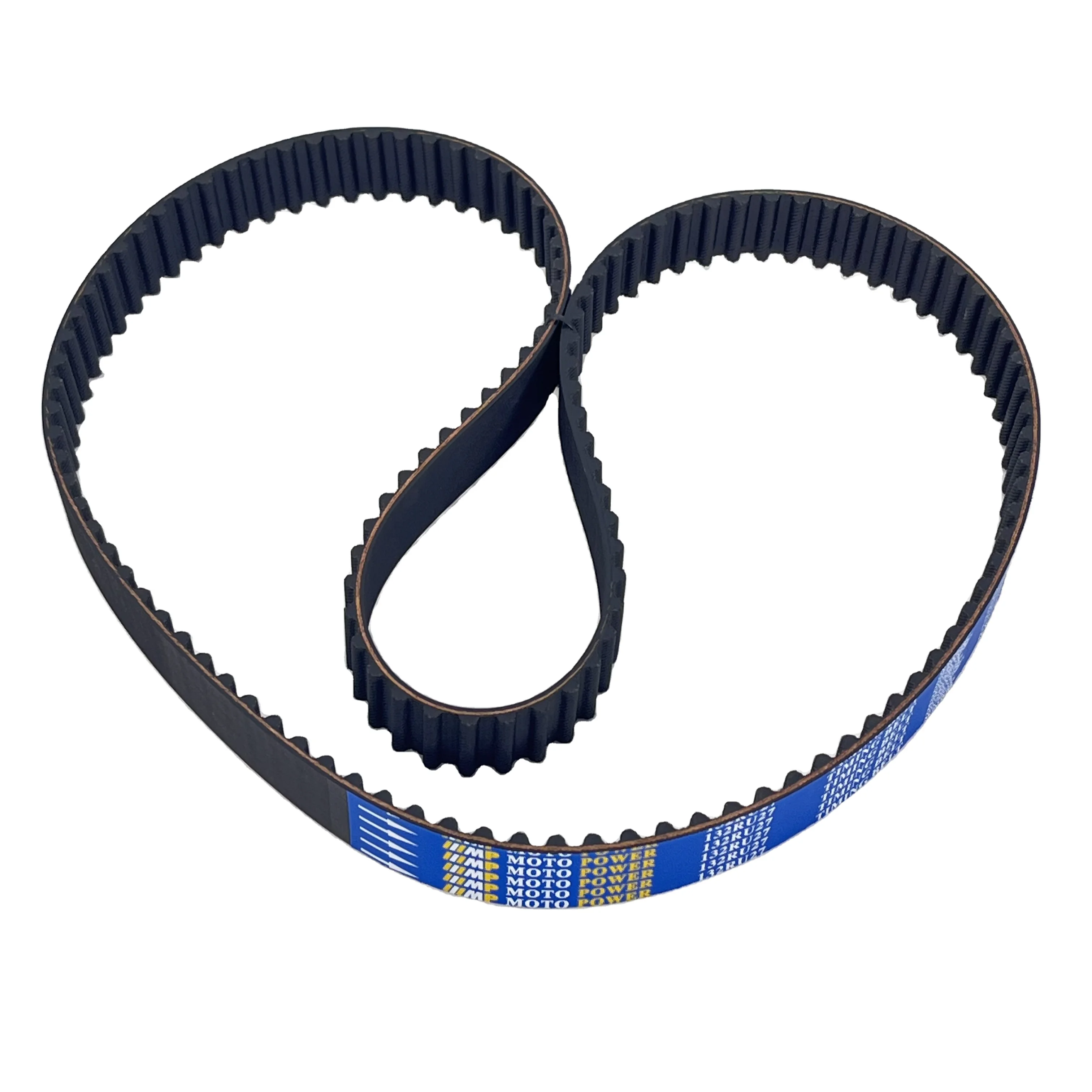
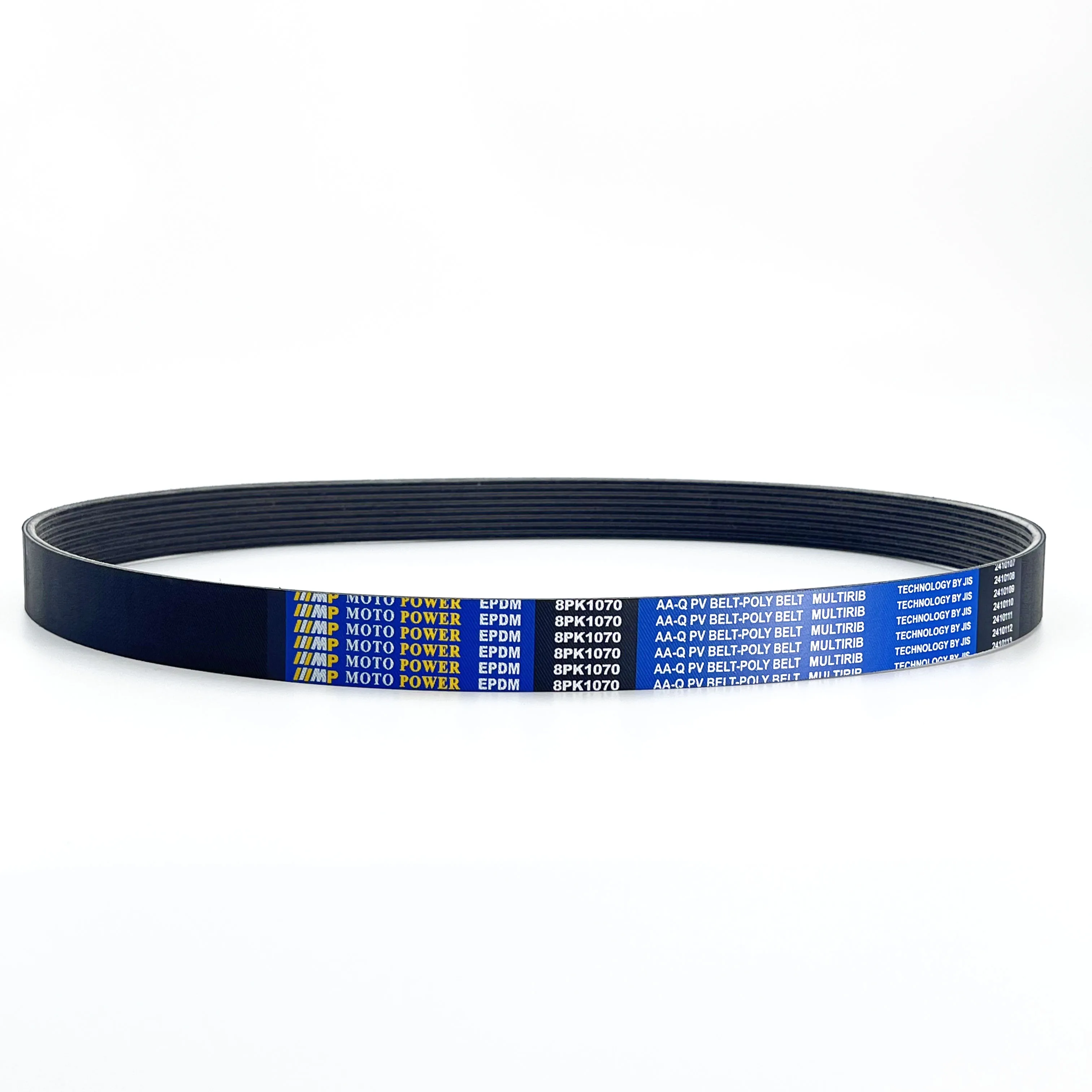
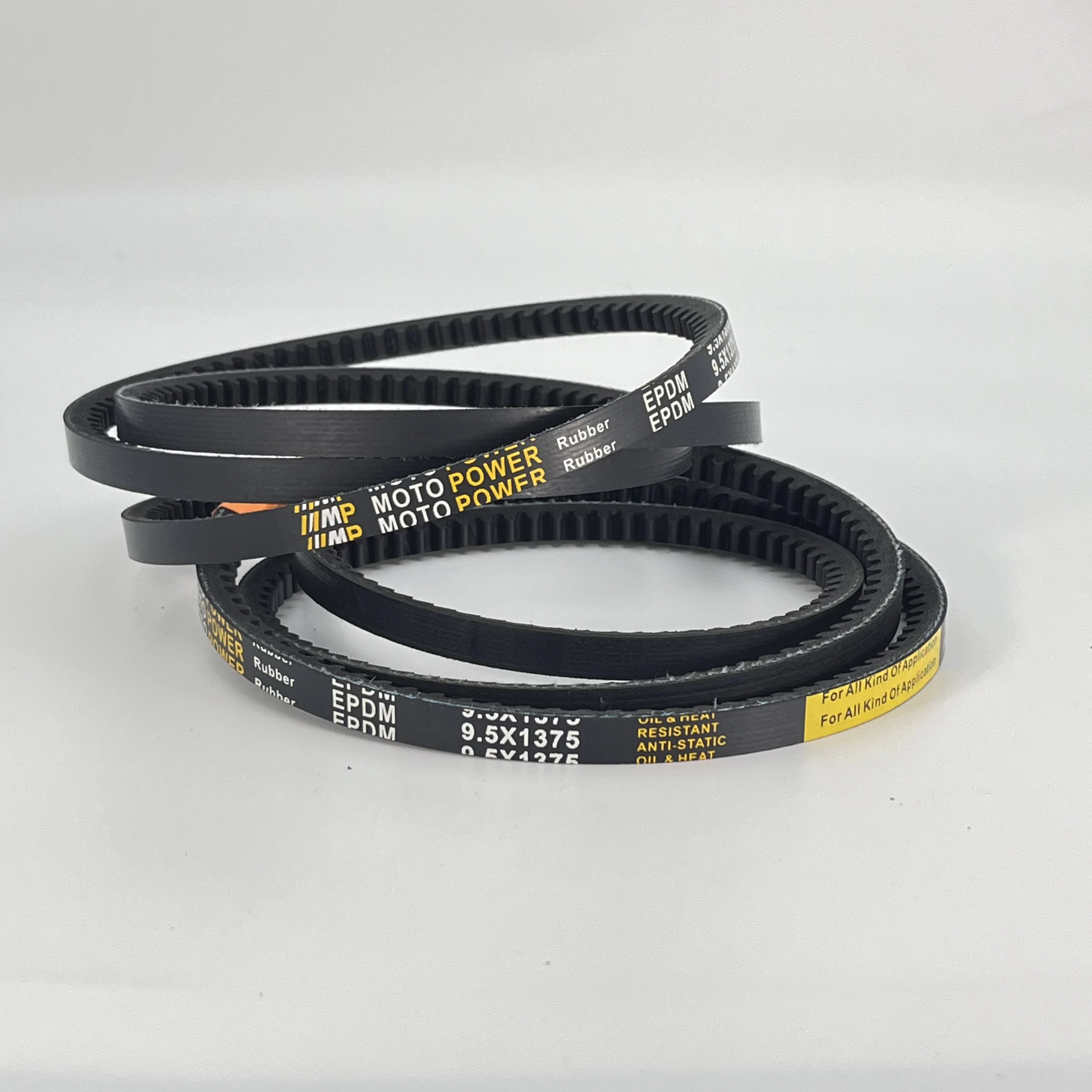
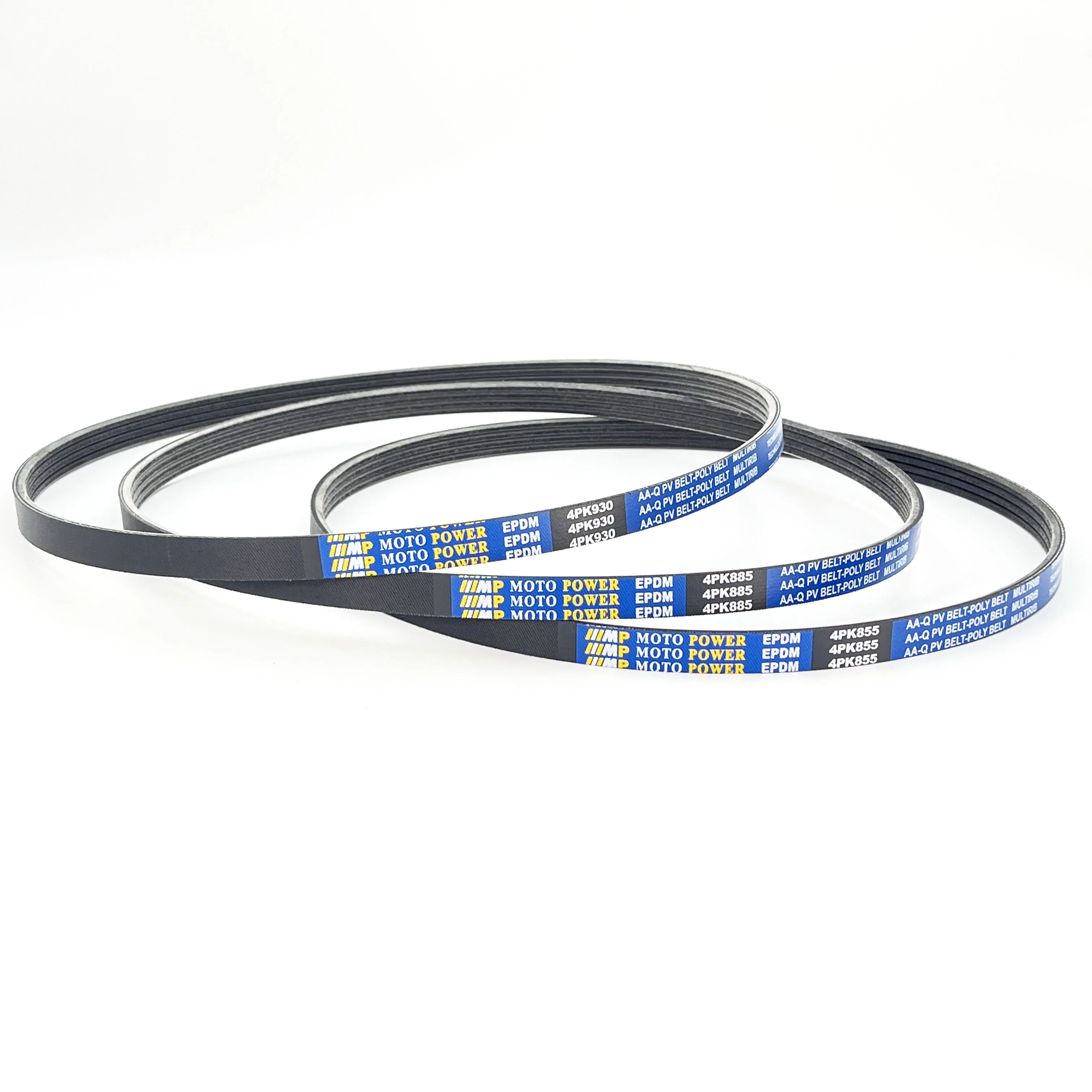
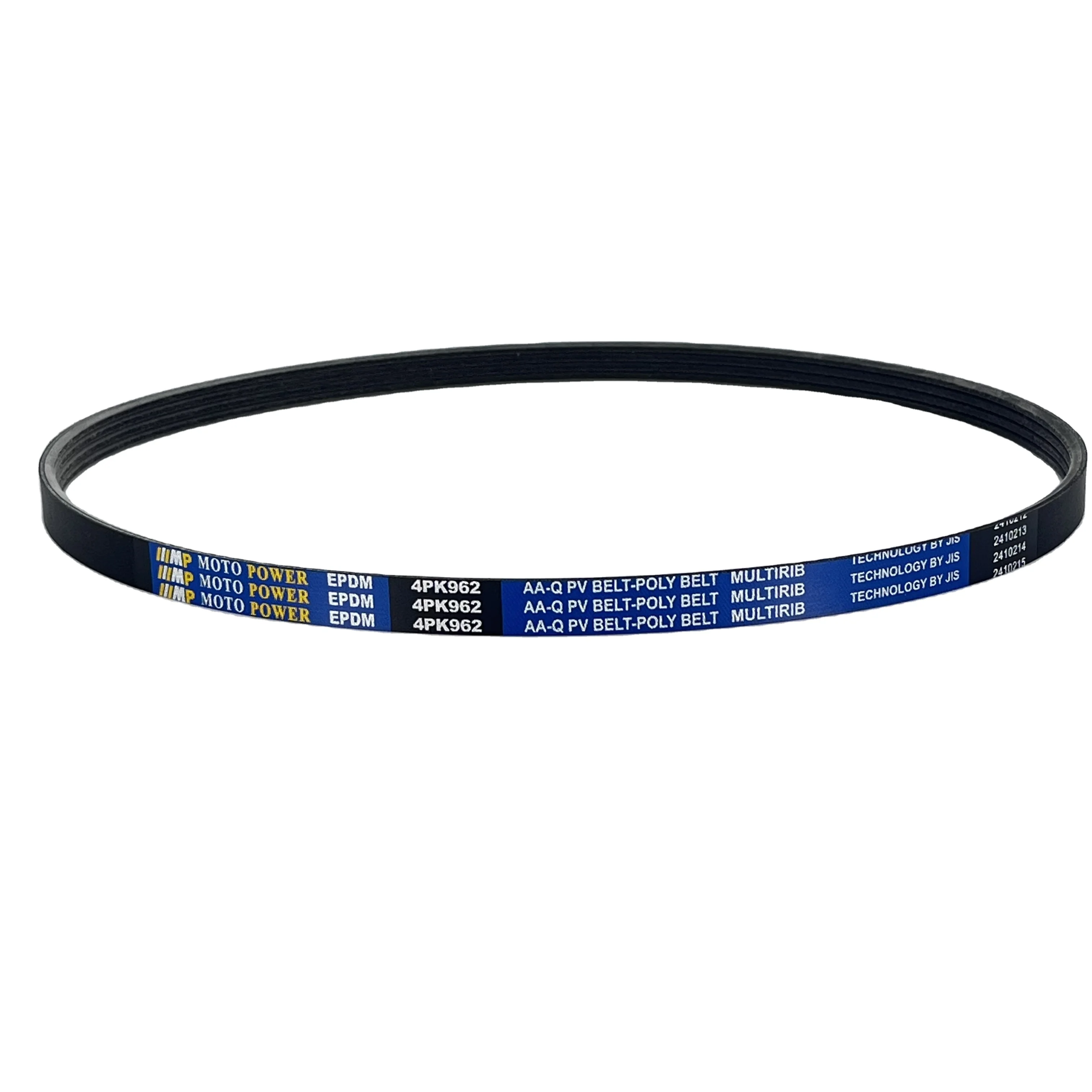
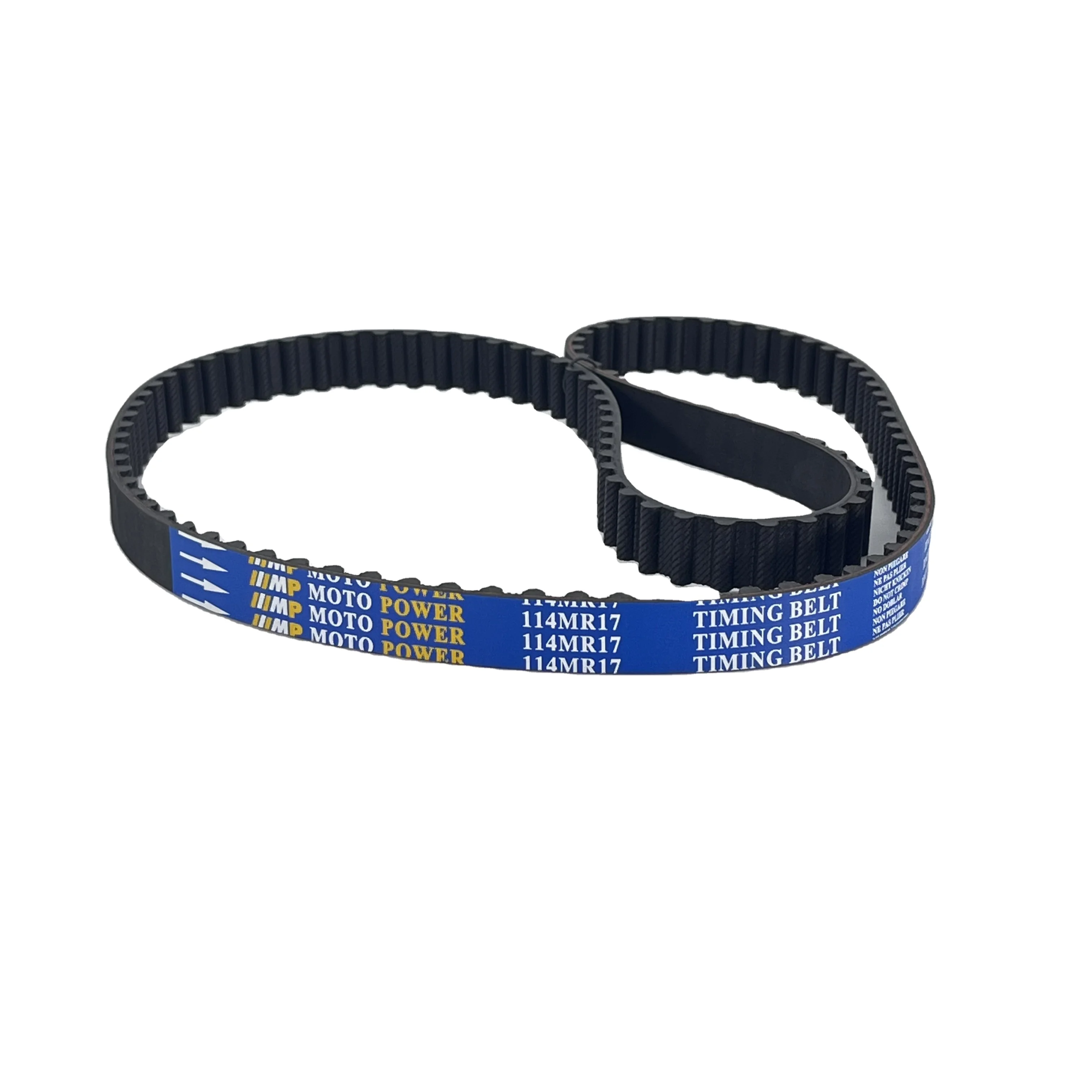
The Honda Pilot timing belt is a critical component of the engine. It assists the valves on your engine to open at the appropriate time and close, so the engine can operate properly. If the Timing Belt breaks, it can cause catastrophic damage to the engine, so it’s important to ensure that it is in good condition
The timing belt from IIIMP MOTO POWER is the equivalent to the conductor in an orchestra. It ensures that all the various pieces of the engine come together and function in perfect unison. When the timing belt wears out or breaks, the engine can be severely damaged and expensive to repair. That’s why it’s crucial to stay on top of the timing belt and replace it when necessary.
If you want to maintain your car in smooth running order, you should have your timing belt rubber checked after every 60.000 miles. And it might always be your mechanic who could check for wear and tear and tell you if it needs replacing. Following the manufacturer’s advice can help determine if it’s time to replace the timing belt - typically at around 60,000 to 100,000 miles
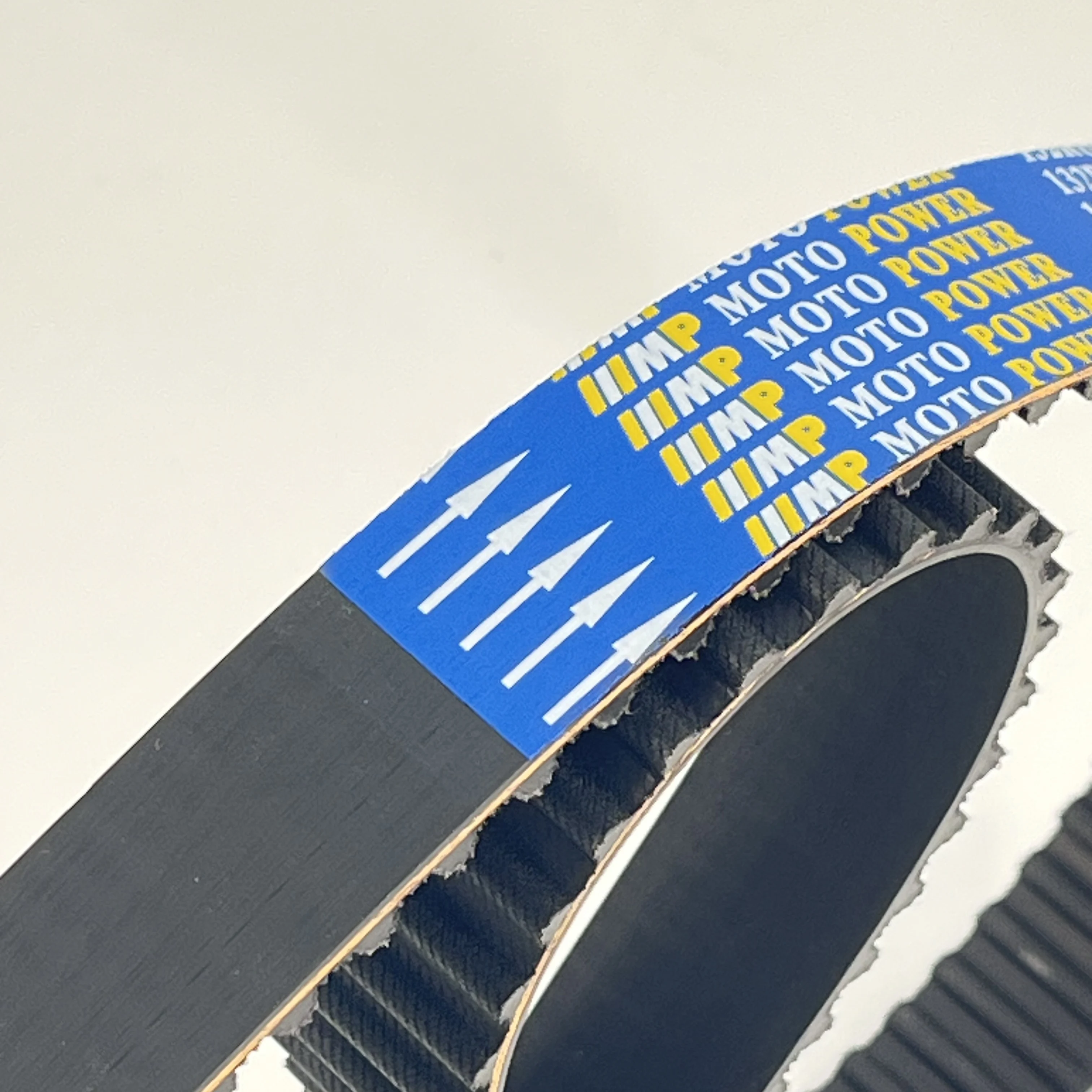
There are a few other common symptoms that could indicate your Honda Pilot's timing belt was in need of replacement as well. If you hear a strange noise that sounds like a squeal(s) or a roar or if your engine misfires or runs rough, you possibly have a honda odyssey timing belt from IIIMP MOTO POWER that is worn out. You want to have it looked at as soon as you can so that you don't do any damage to the engine.
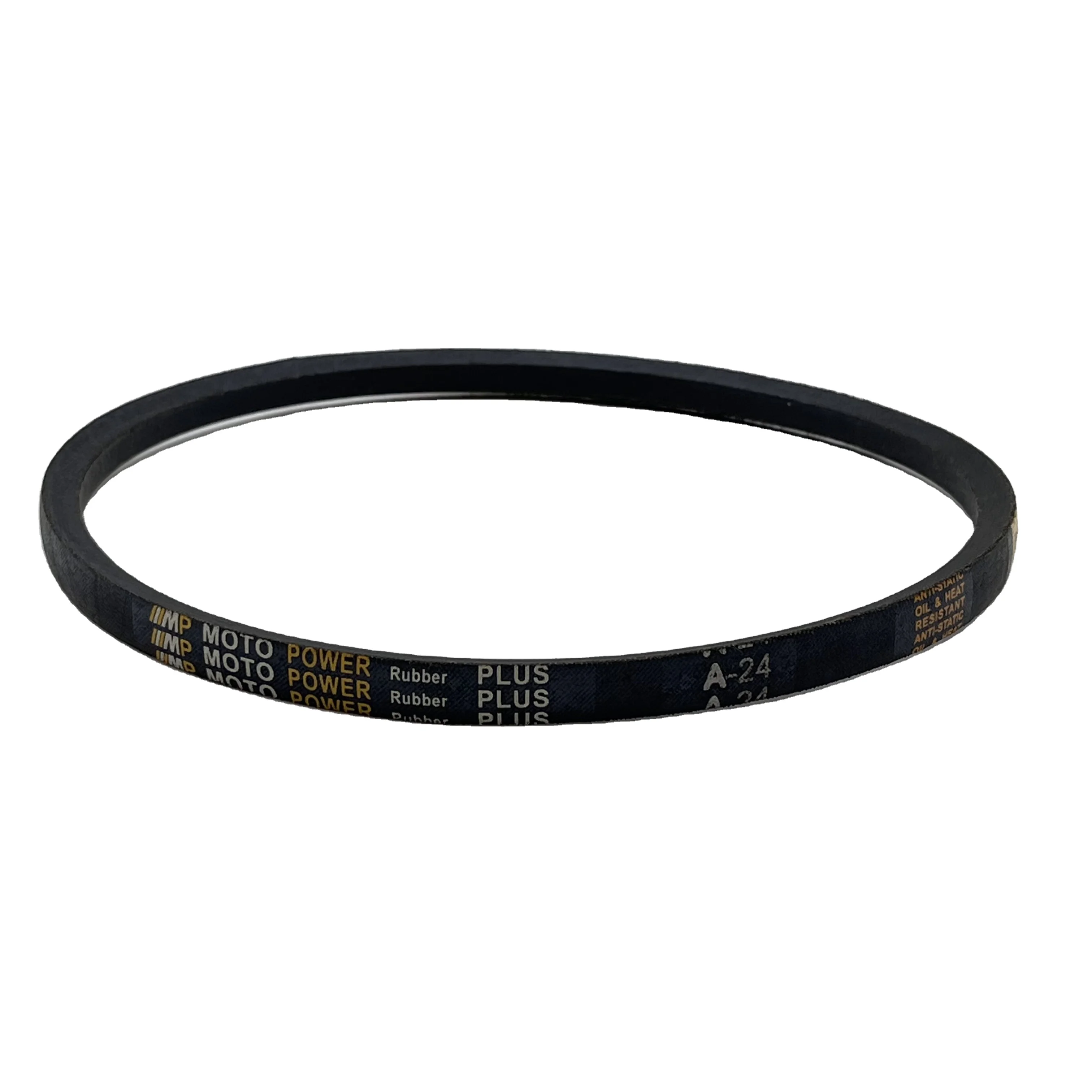
If you need to replace the timing belt on your Honda Pilot, you will need to make sure you replace it with a new one that has the correct tension and length. While mechanics’ charges for replacing an engine timing belt may vary on the mechanic and other factors, the cost can range from $500 to $1000. It’s an investment that will protect your engine and help ensure the longevity of your Honda Pilot.
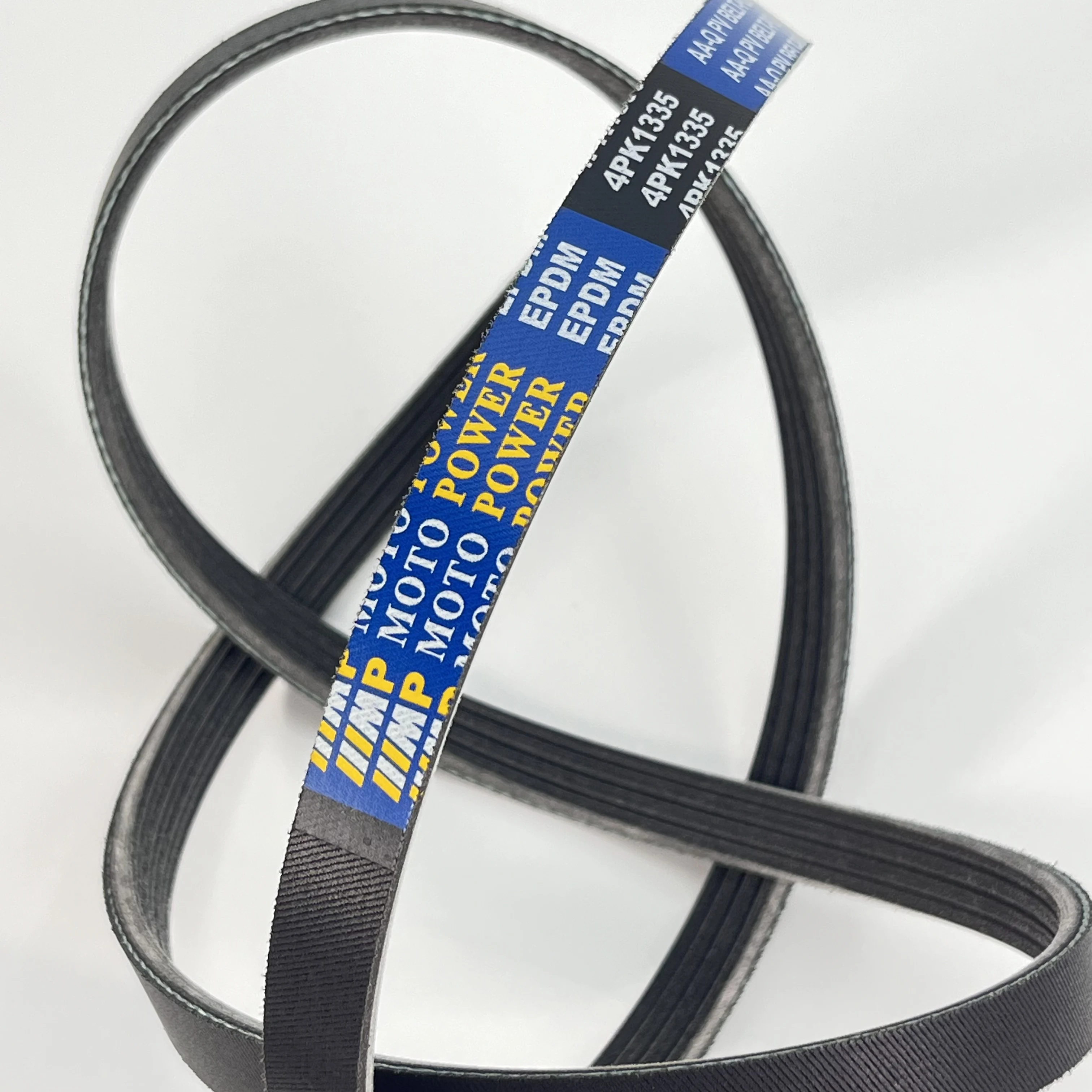
To provide the longevity of Honda Pilot timing belt, you can do several things. Be sure to inspect it and replace as necessary. Stay away from driving in extremely high or low temperatures or frequent stop-and-go driving, as it could stress the timing belt honda accord even more. And, as always, be sure to follow the manufacturer’s guidelines for maintenance, so your Honda Pilot is running in great shape for years to come
With a 45,000-square-meter facility and an annual production capacity of 11 million pieces, our operations are supported by a specialized R&D team of 20+ experts and over 60 patented technologies, ensuring precision engineering and high-volume reliability for both OEM and aftermarket clients.
We offer full-service OEM/ODM collaboration—from custom R&D and prototyping to scalable manufacturing—backed by professional technical consultation and tailored product selection to meet specific client requirements and application challenges.
Our rubber belts are engineered for superior performance in demanding conditions, combining durable materials and innovative designs to deliver longer service life, reduced downtime, and cost-efficient operation for industrial power transmission applications.
Adhering to international standards with traceable production and rigorous quality control from raw materials to finished goods, we provide comprehensive after-sales support to ensure customer satisfaction, seamless cross-border logistics, and hassle-free long-term usage.

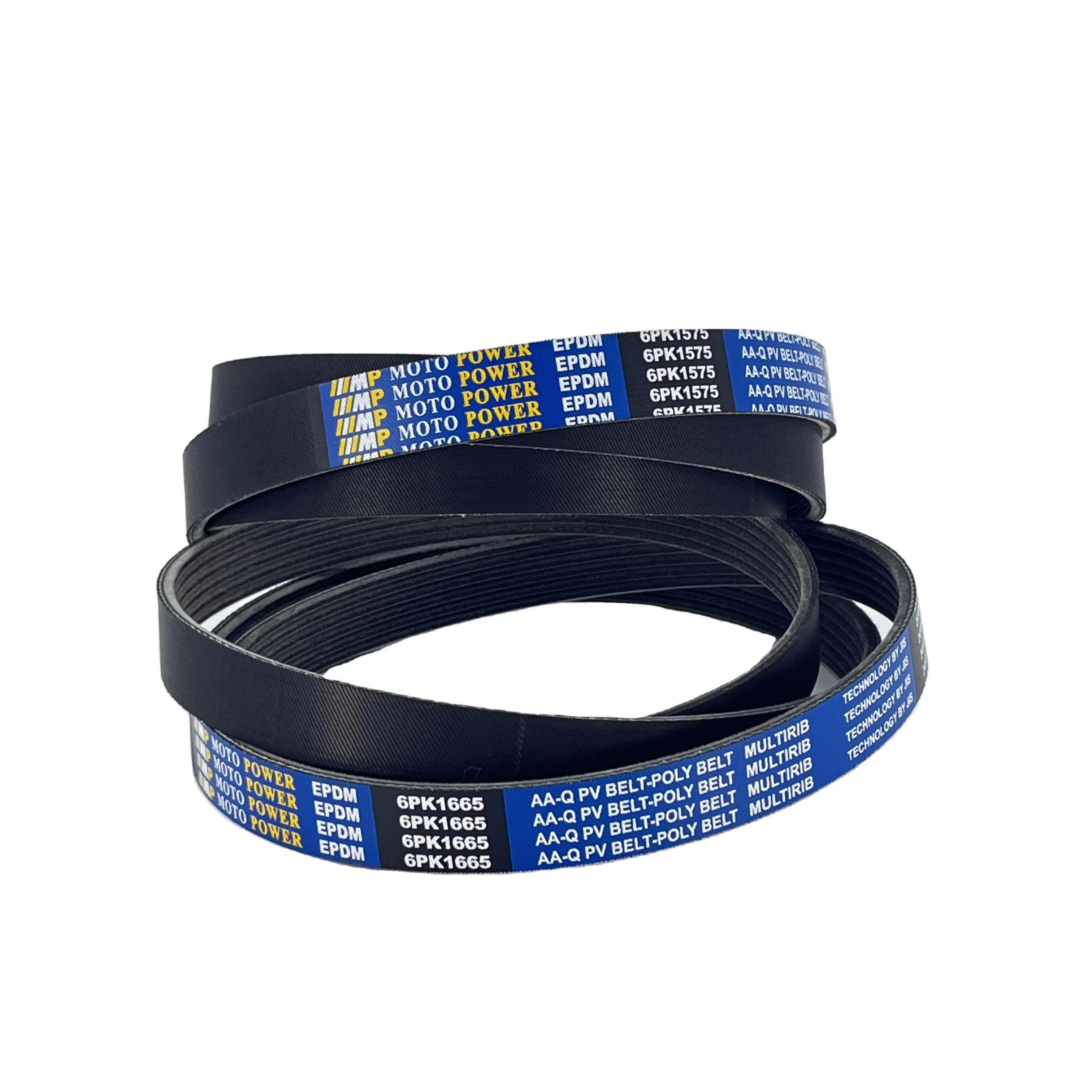
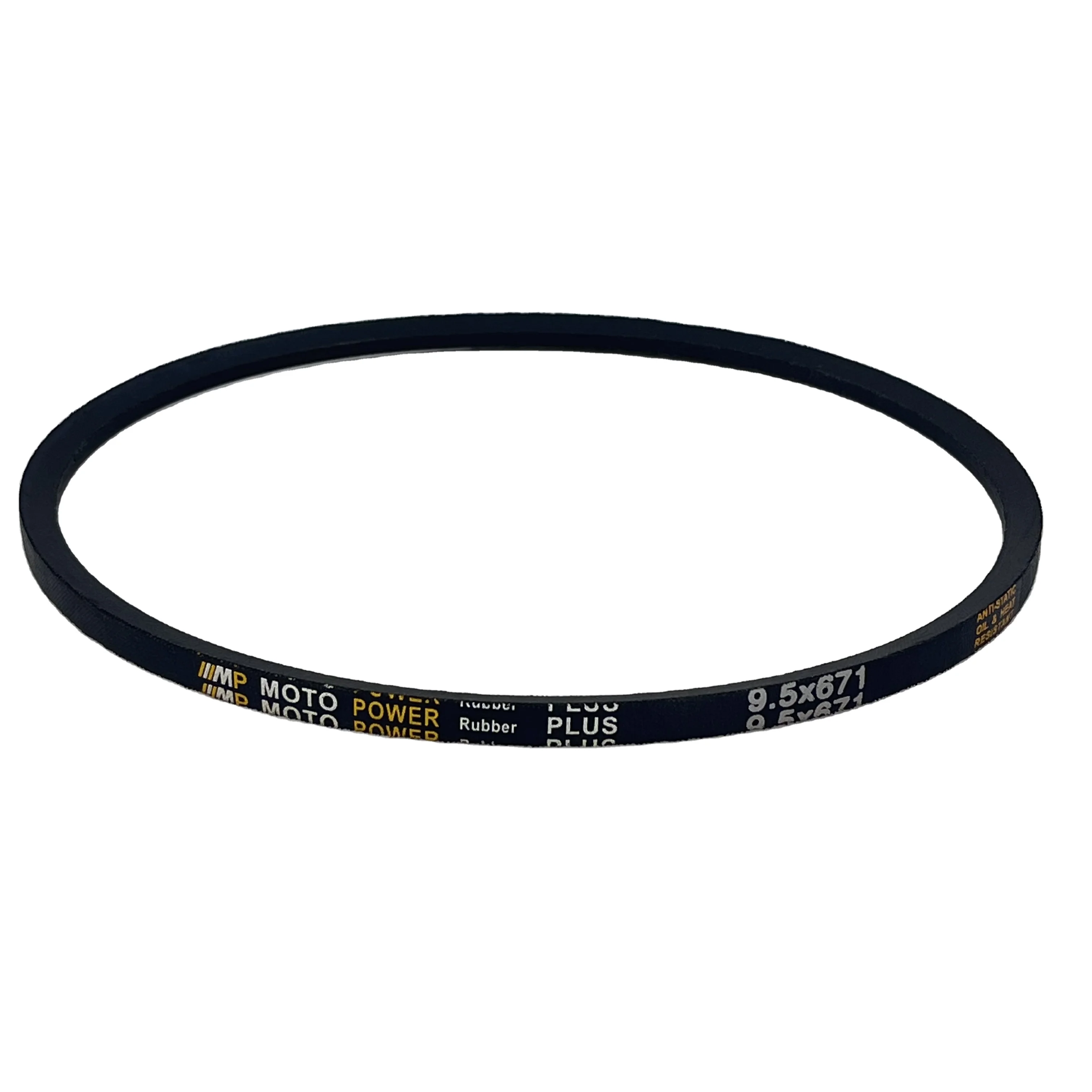
Moto Power supplies premium rubber belts including Classica V-Belt, Cogged V-Belts, Poly Ribbed V-Belt, Timing Belts and more.
No. 588, Tiantong (S) Rd, Yinzhou, Ningbo, Zhejiang, China
Copyright © Ningbo HZ International Trade Co., Ltd. All Rights Reserved - Privacy Policy - Blog
 EN
EN