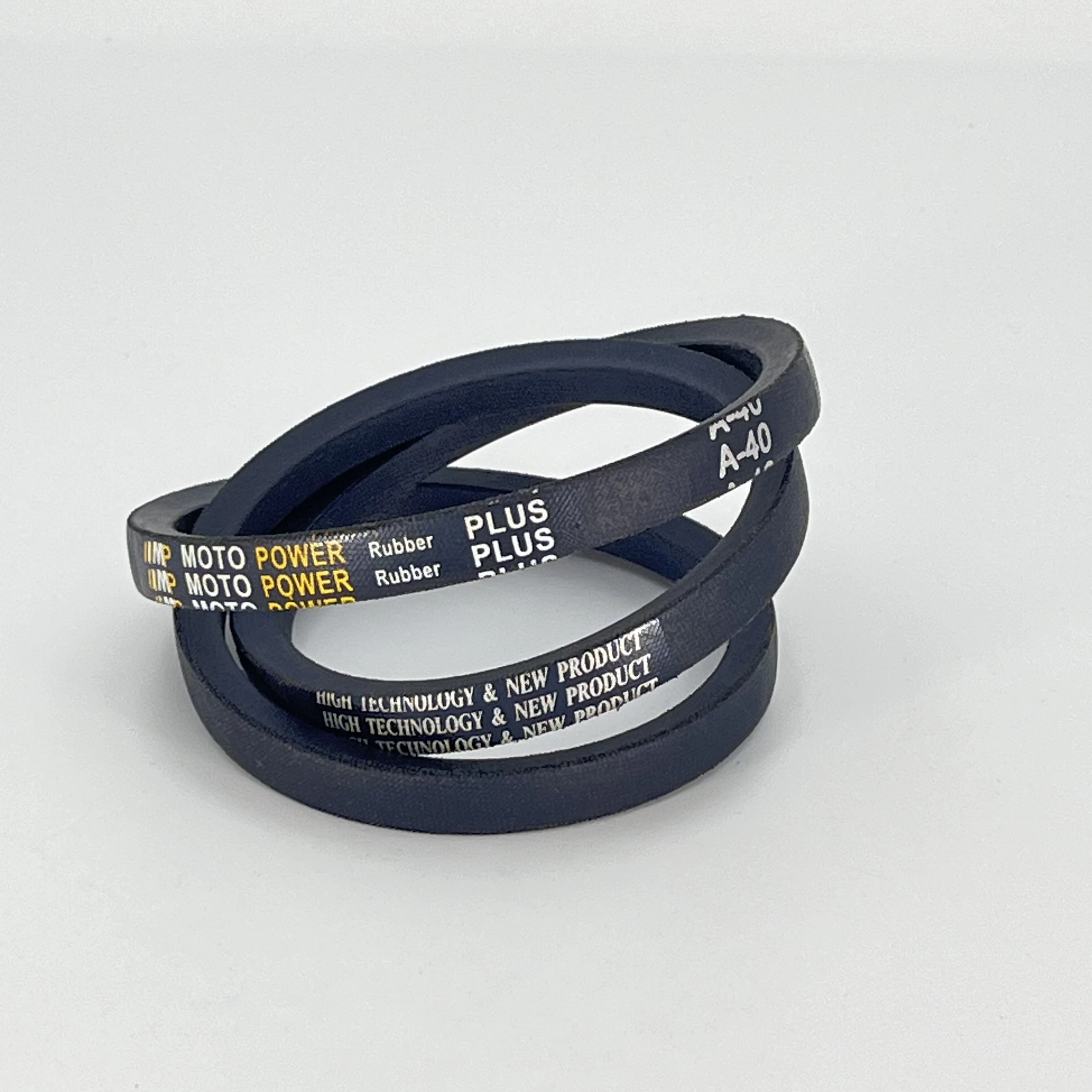
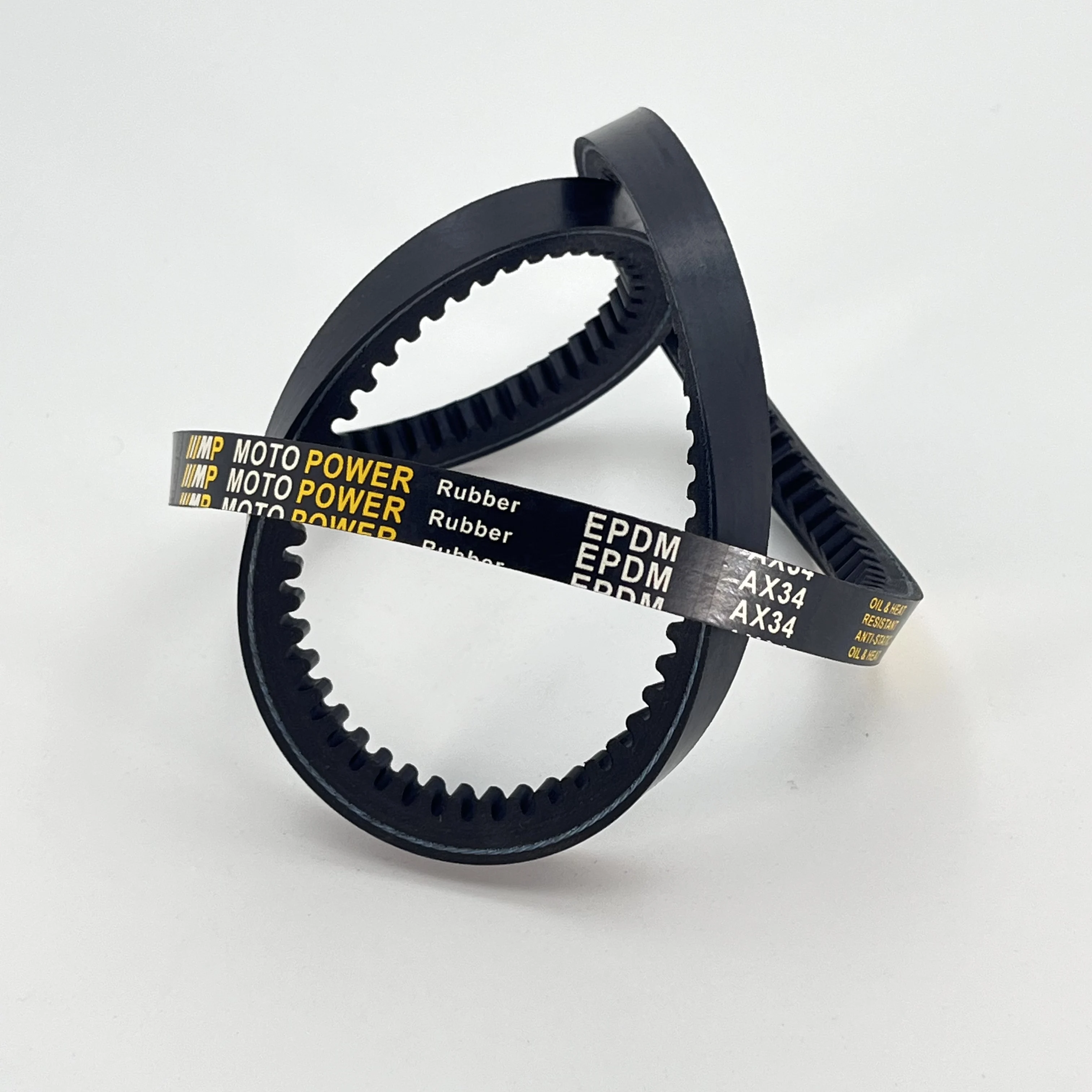
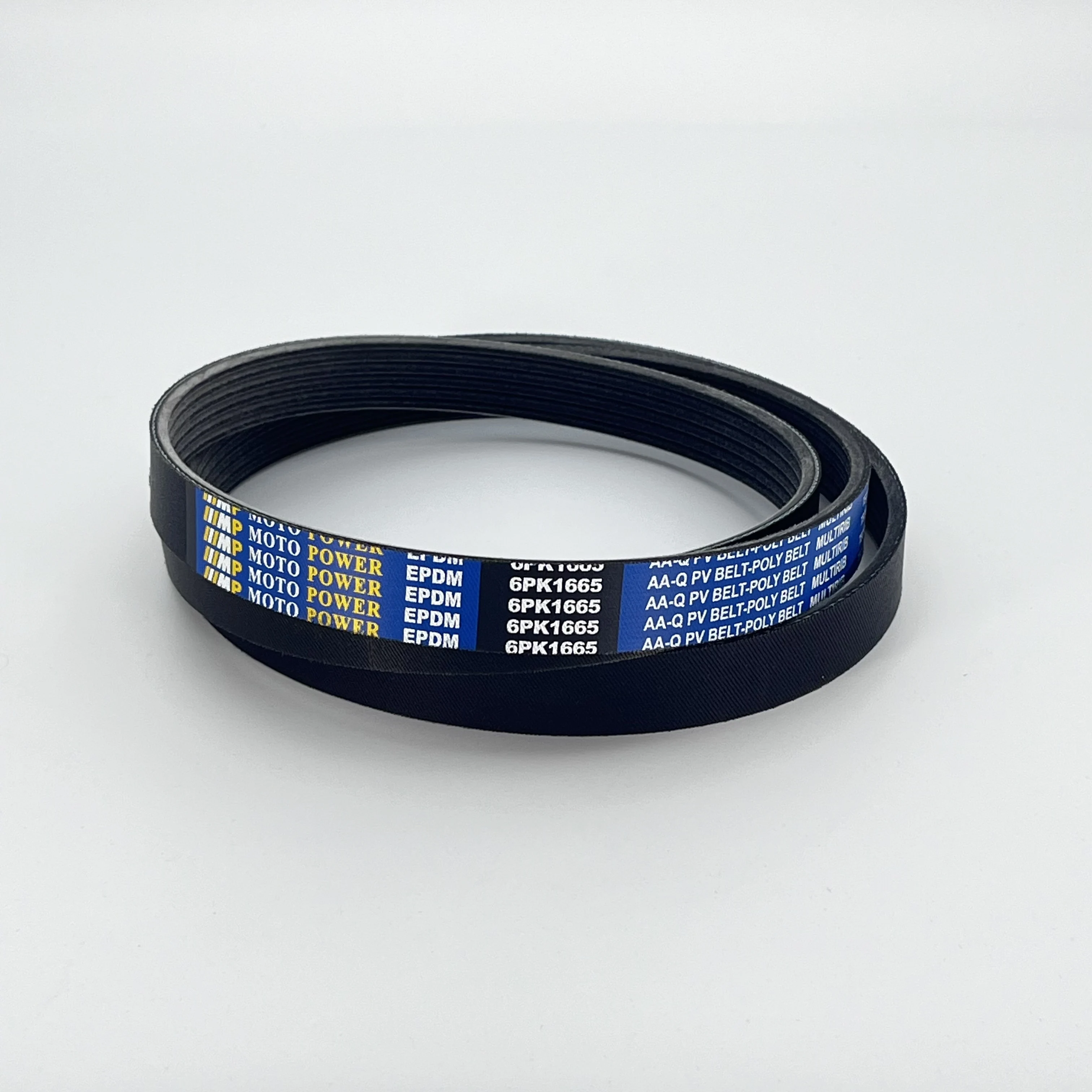
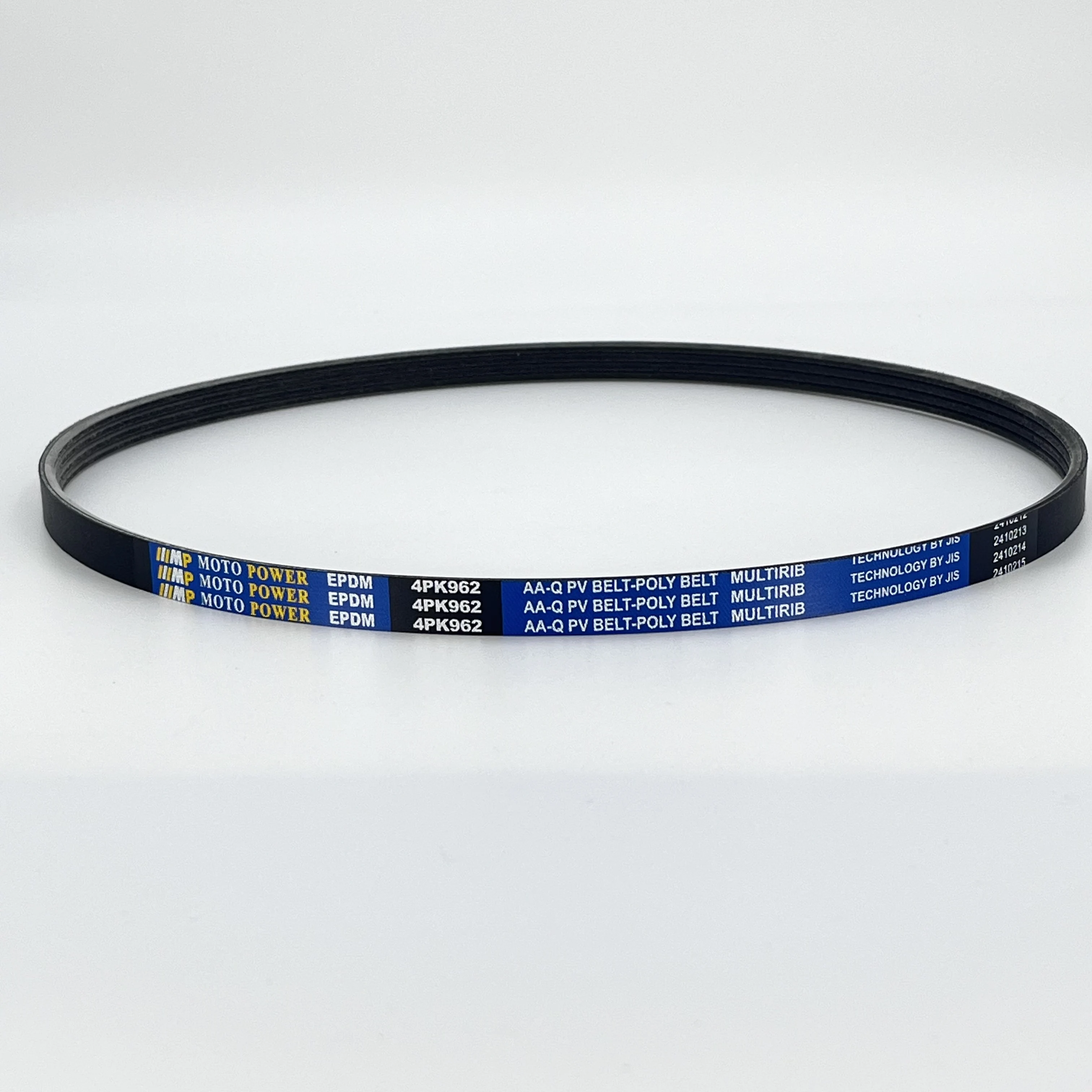
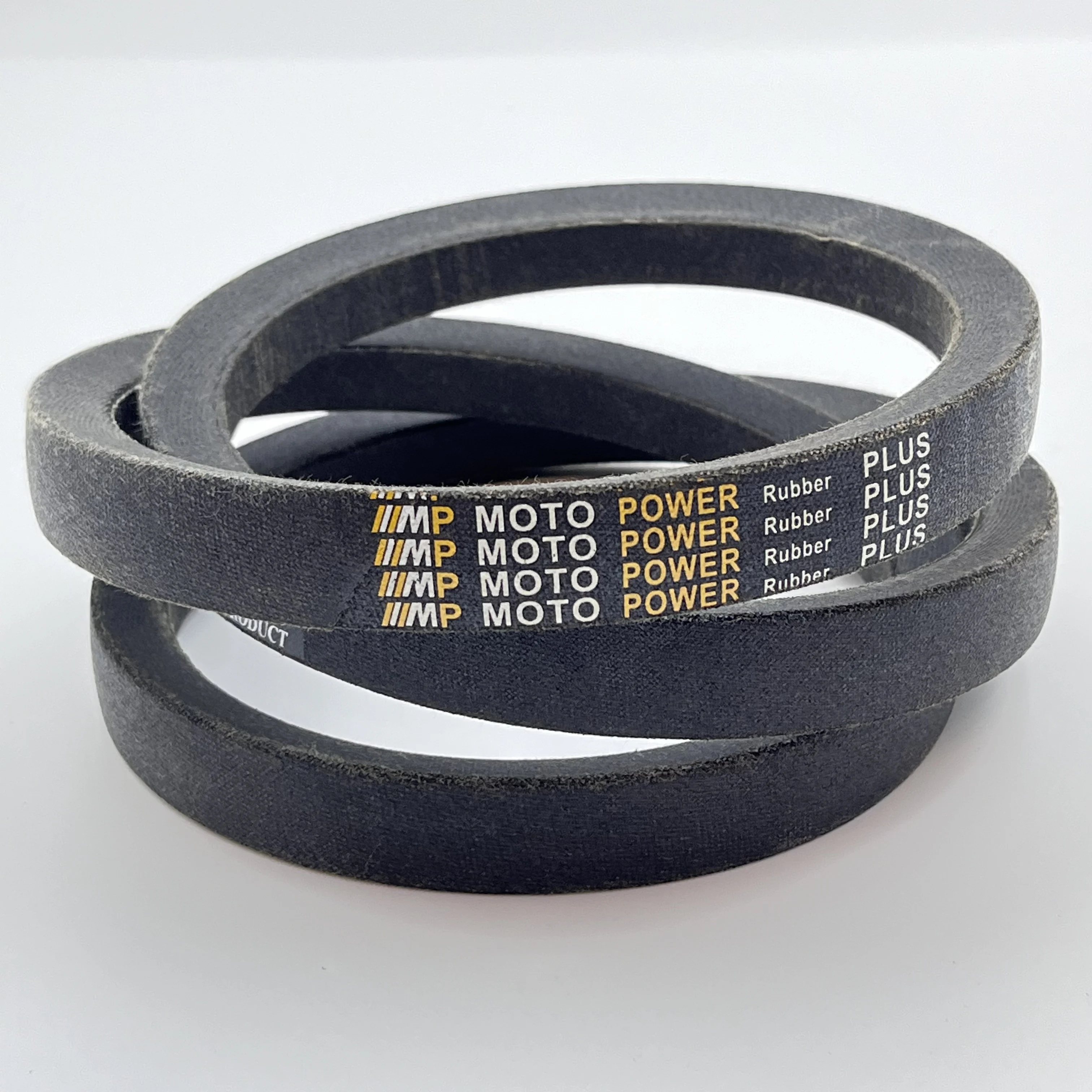
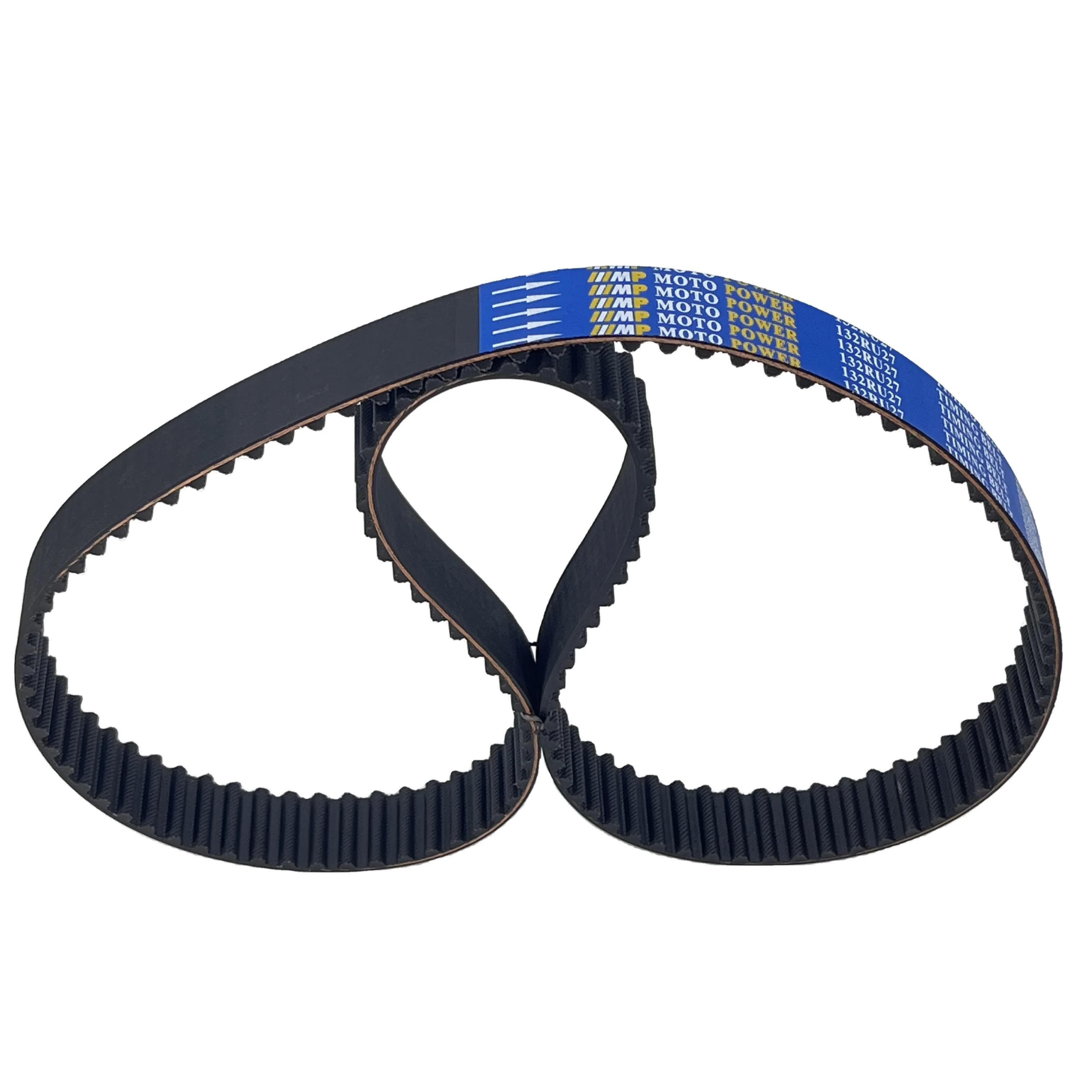
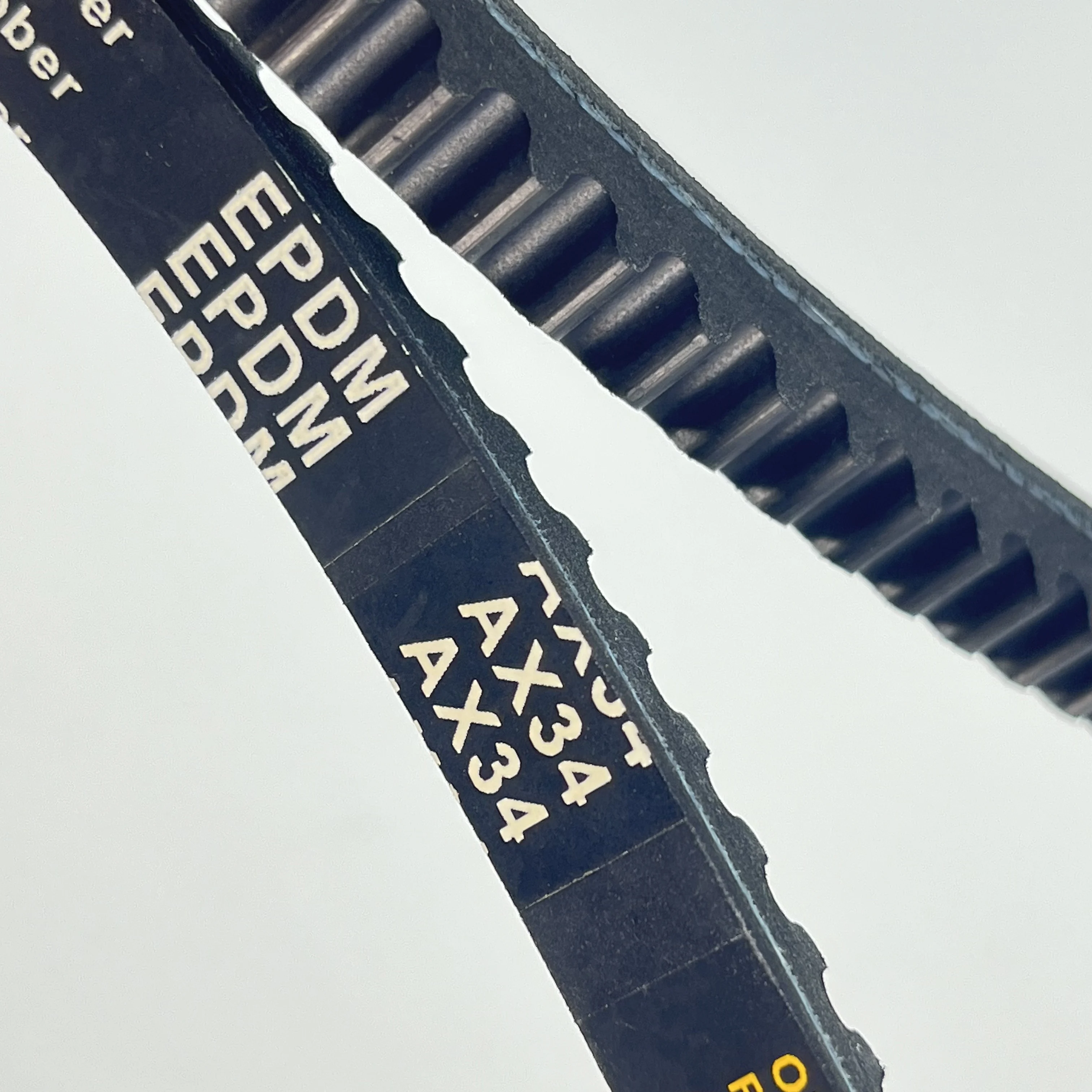
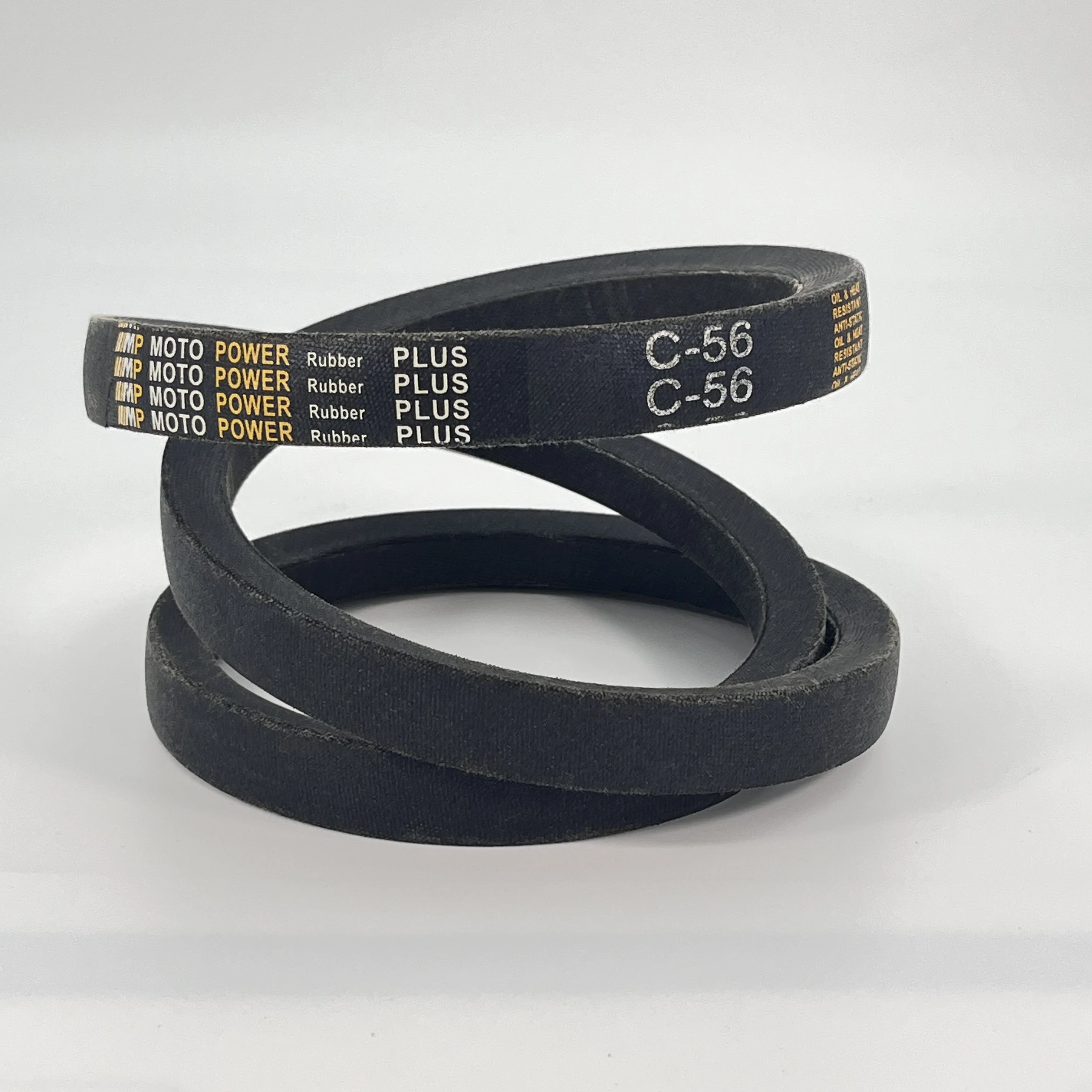
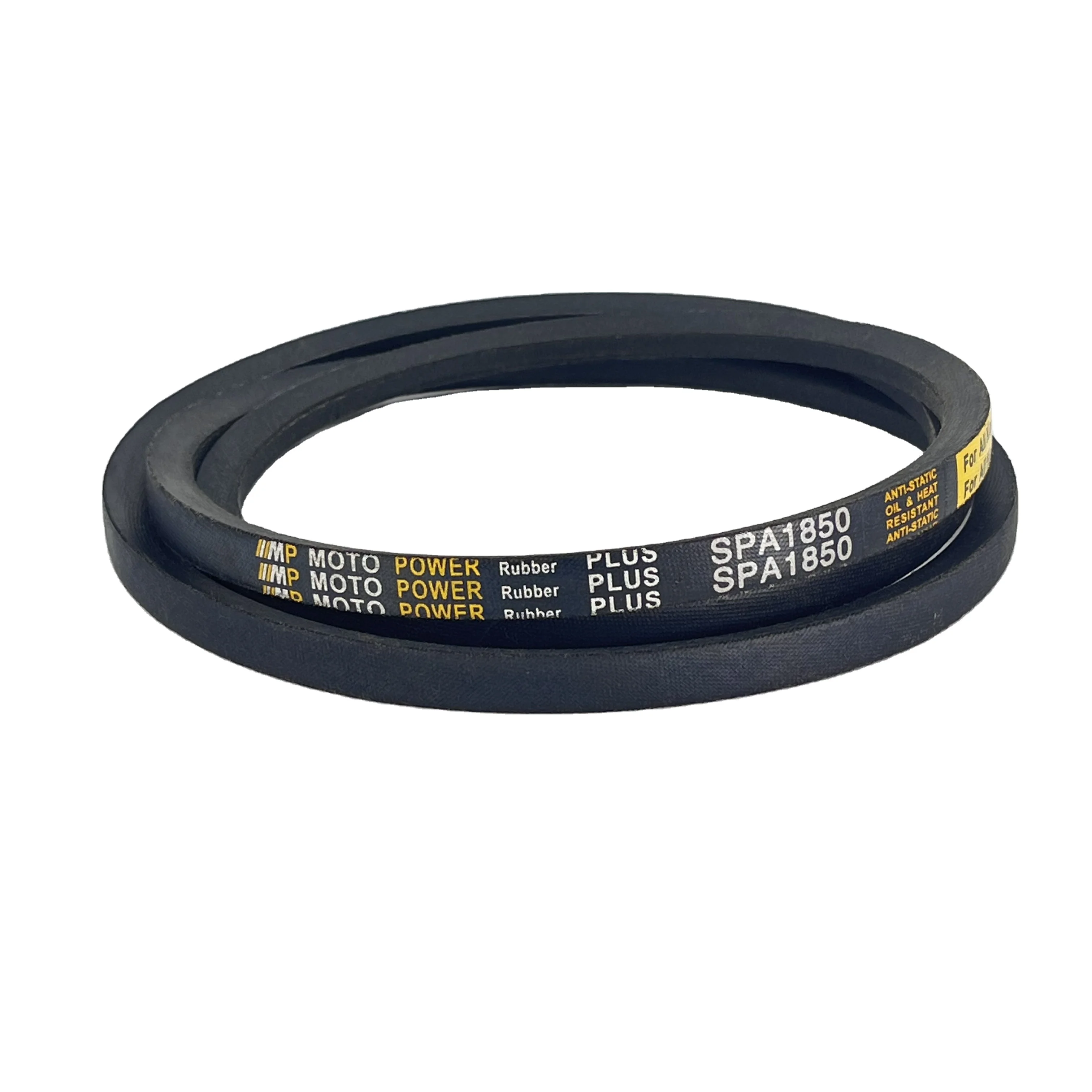
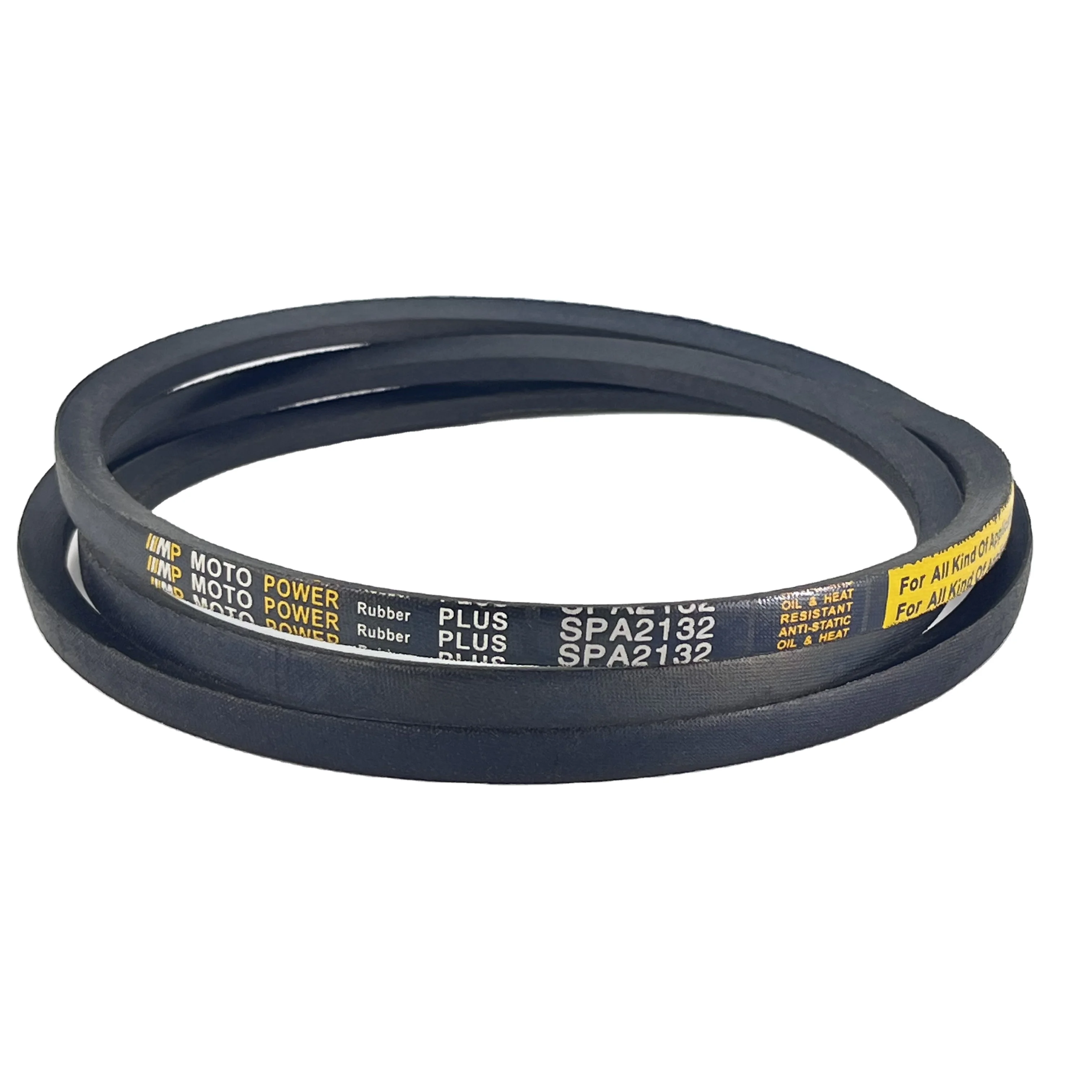
That Ford timing belt doesn’t look like such a big deal, at least not until it’s time to replace it. It’s the job of the engine timing belt to ensure that the engine’s valves open and close at the proper times, enabling air and fuel to enter the cylinders and exhaust to exit, and the determination of what time is right is made by the crankshaft and camshaft. If your car doesn’t have a reliable timing belt, chances are that your engine won’t be able to run optimally — and worse, it could fall apart on you which might be an extremely expensive damage to deal with.
There's several classic symptoms to be on the lookout for that can lead you to believe your Ford fiesta timing belt may require service. If you can hear a ticking sound in the engine or feel loss of power or acceleration, or rough idling, it may mean that the timing belt has weakened. You will want to deal with these issues as soon as possible to minimize the impact on your engine.
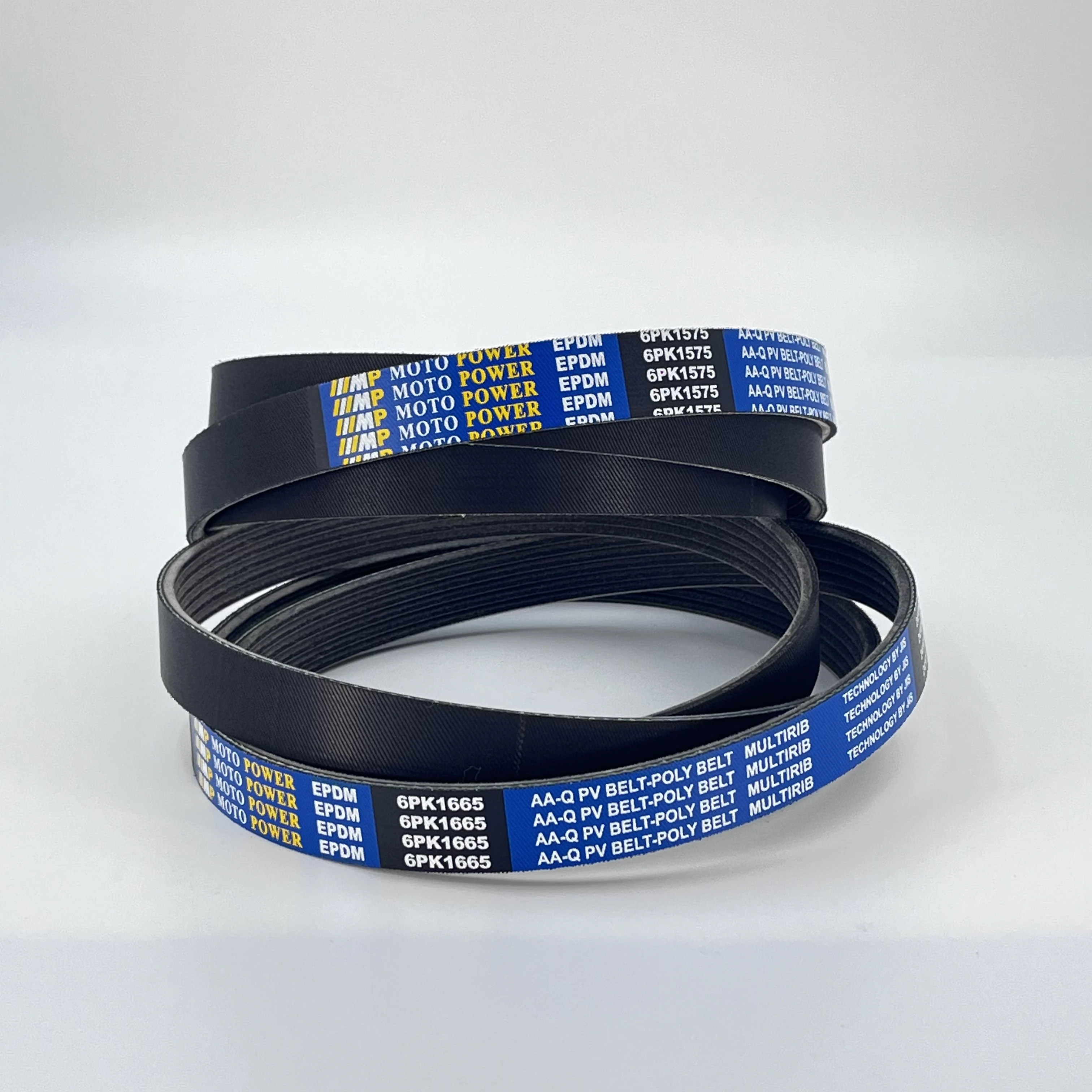
Replacing your Ford timing belt at it's recommended interval between 60,000 and 100,000 miles can help prevent damage to your engine. Some newer Ford vehicles may have timing chains in place of belts, which also generally last longer and require less frequent replacement. But you should certainly refer to your owner's manual or a trusted mechanic to know the ideal timing belt replacement schedule for your specific car.
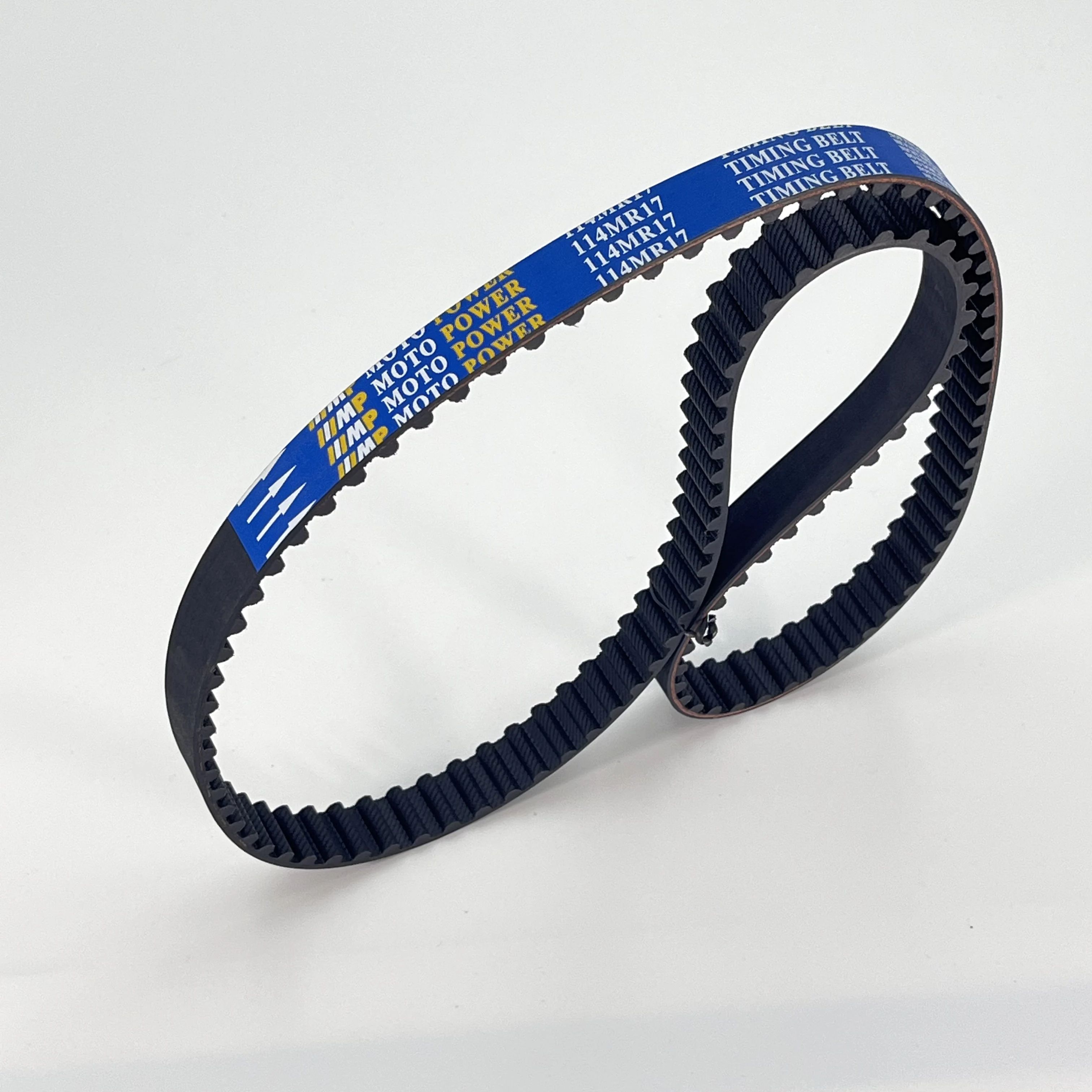
If you’re a little adventurous and somewhat mechanical, you can possibly replace your own Ford timing belt. First off, ensure that you have all the tools you need including the ford focus timing belt, tensioner (authorities recommend replacing the tensioner as well), and any other parts that are suggested. Detach the parts covering the timing belt, carefully follow the directions provided by the maker of these parts when installing them back and ensure that everything is perfectly placed before you run the engine.
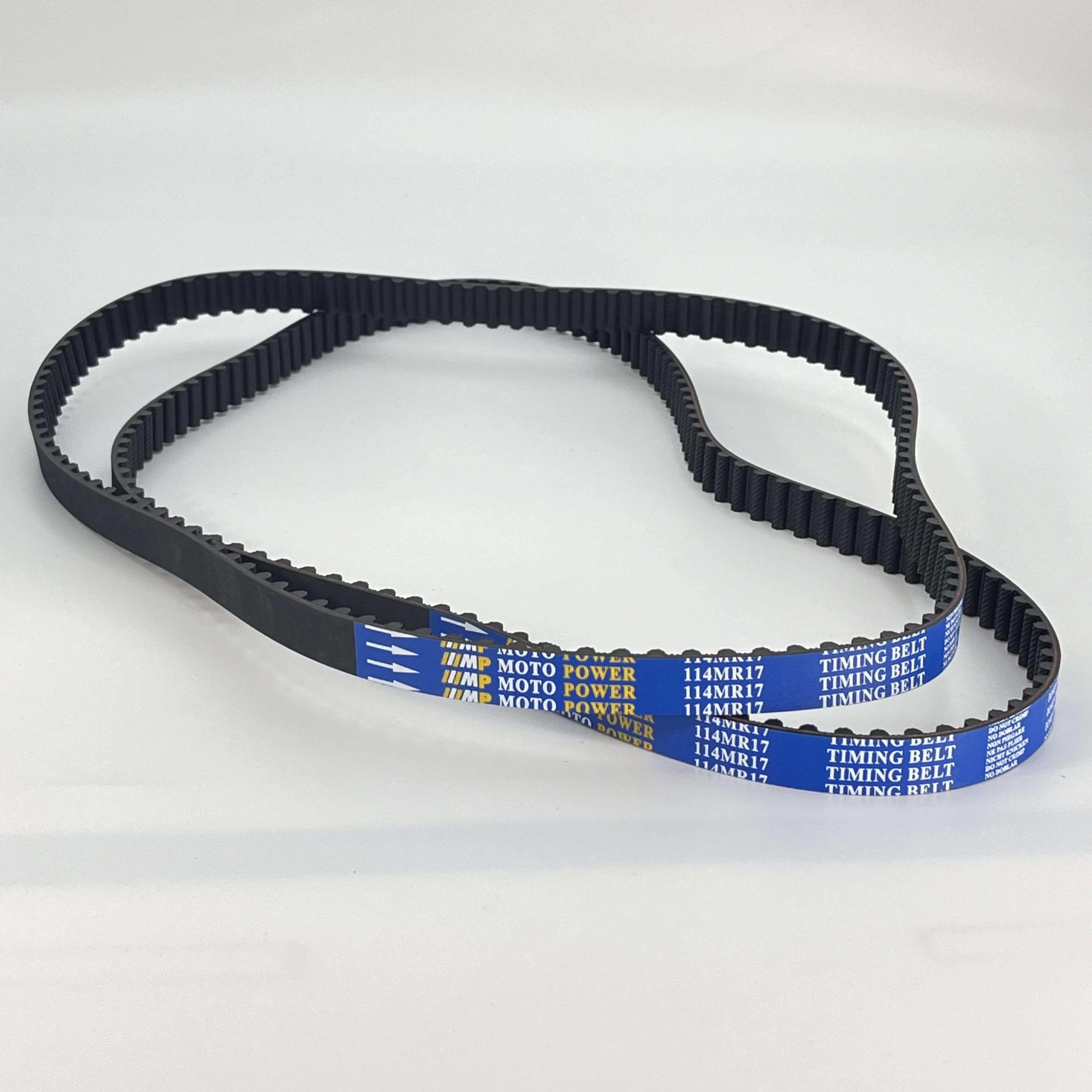
By maintaining your Ford timing belt or replacing it as required, you can help to save yourself money and reduce the potential for engine damage. A properly maintained timing belt will help your engine’s valves opening and closing as they should, which can boost your performance, as well as fuel economy. Keep your timing belt maintained and enjoy a smooth and safe driving for a long time.
Adhering to international standards with traceable production and rigorous quality control from raw materials to finished goods, we provide comprehensive after-sales support to ensure customer satisfaction, seamless cross-border logistics, and hassle-free long-term usage.
With a 45,000-square-meter facility and an annual production capacity of 11 million pieces, our operations are supported by a specialized R&D team of 20+ experts and over 60 patented technologies, ensuring precision engineering and high-volume reliability for both OEM and aftermarket clients.
Our rubber belts are engineered for superior performance in demanding conditions, combining durable materials and innovative designs to deliver longer service life, reduced downtime, and cost-efficient operation for industrial power transmission applications.
We offer full-service OEM/ODM collaboration—from custom R&D and prototyping to scalable manufacturing—backed by professional technical consultation and tailored product selection to meet specific client requirements and application challenges.

Moto Power supplies premium rubber belts including Classica V-Belt, Cogged V-Belts, Poly Ribbed V-Belt, Timing Belts and more.
No. 588, Tiantong (S) Rd, Yinzhou, Ningbo, Zhejiang, China
Copyright © Ningbo HZ International Trade Co., Ltd. All Rights Reserved - Privacy Policy - Blog
 EN
EN