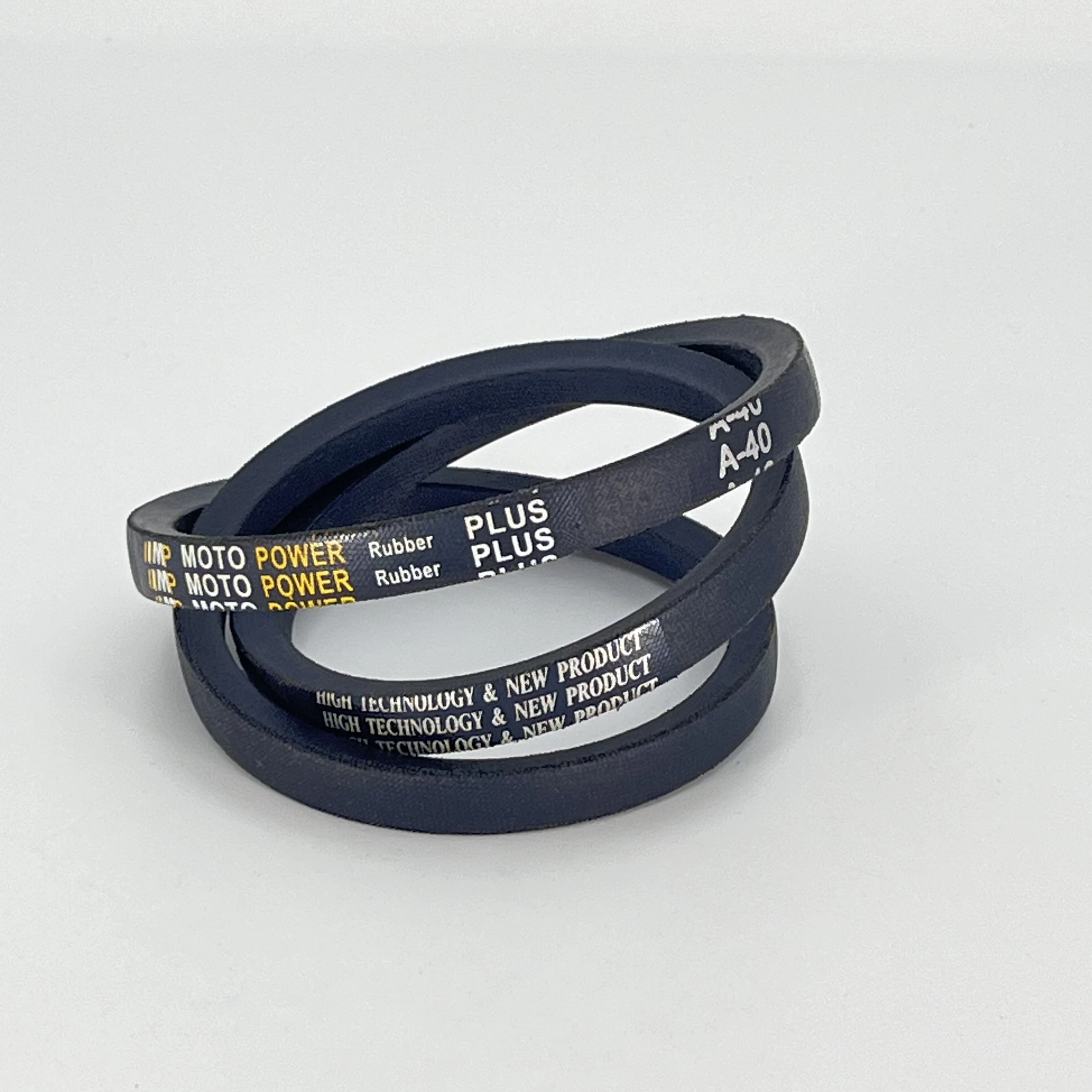
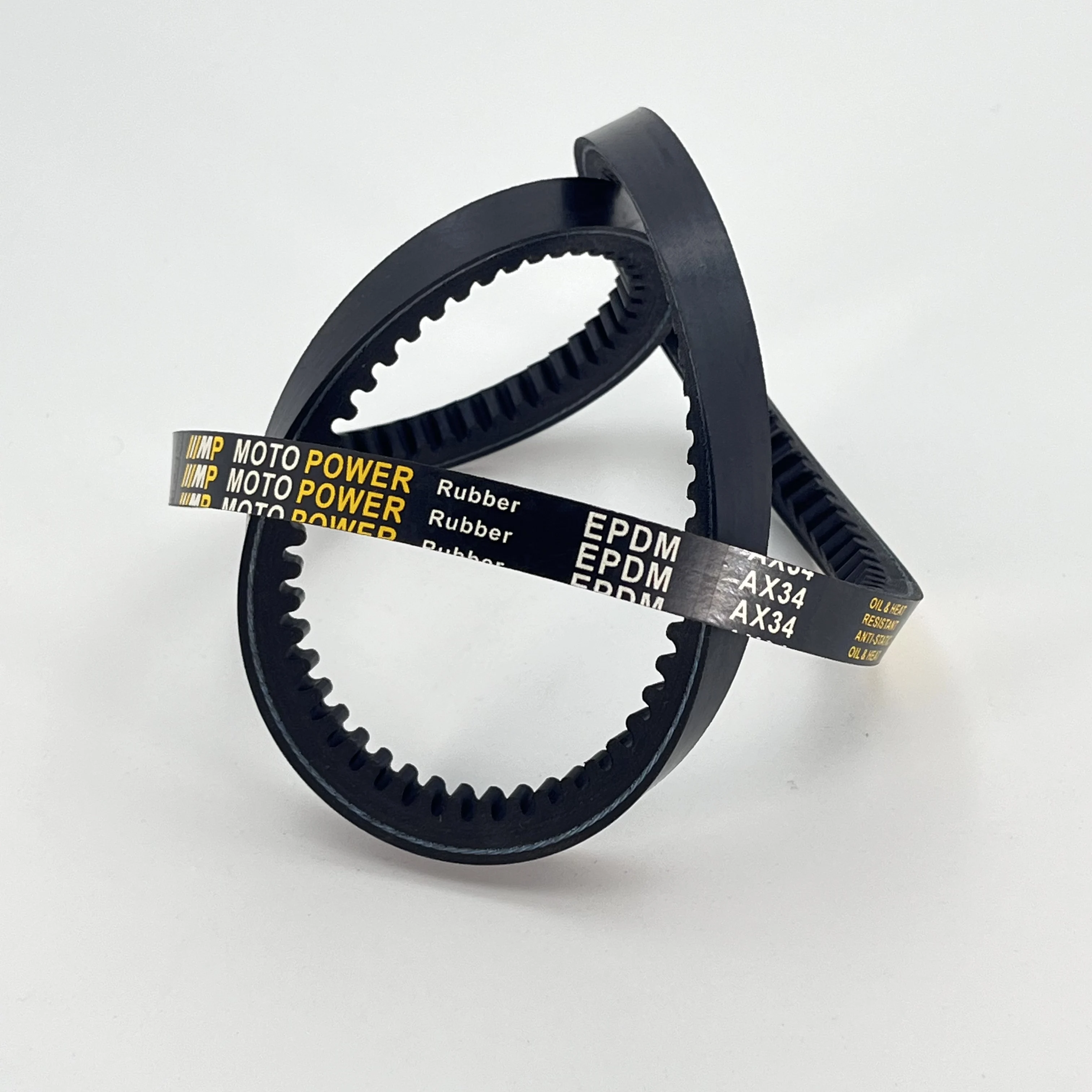
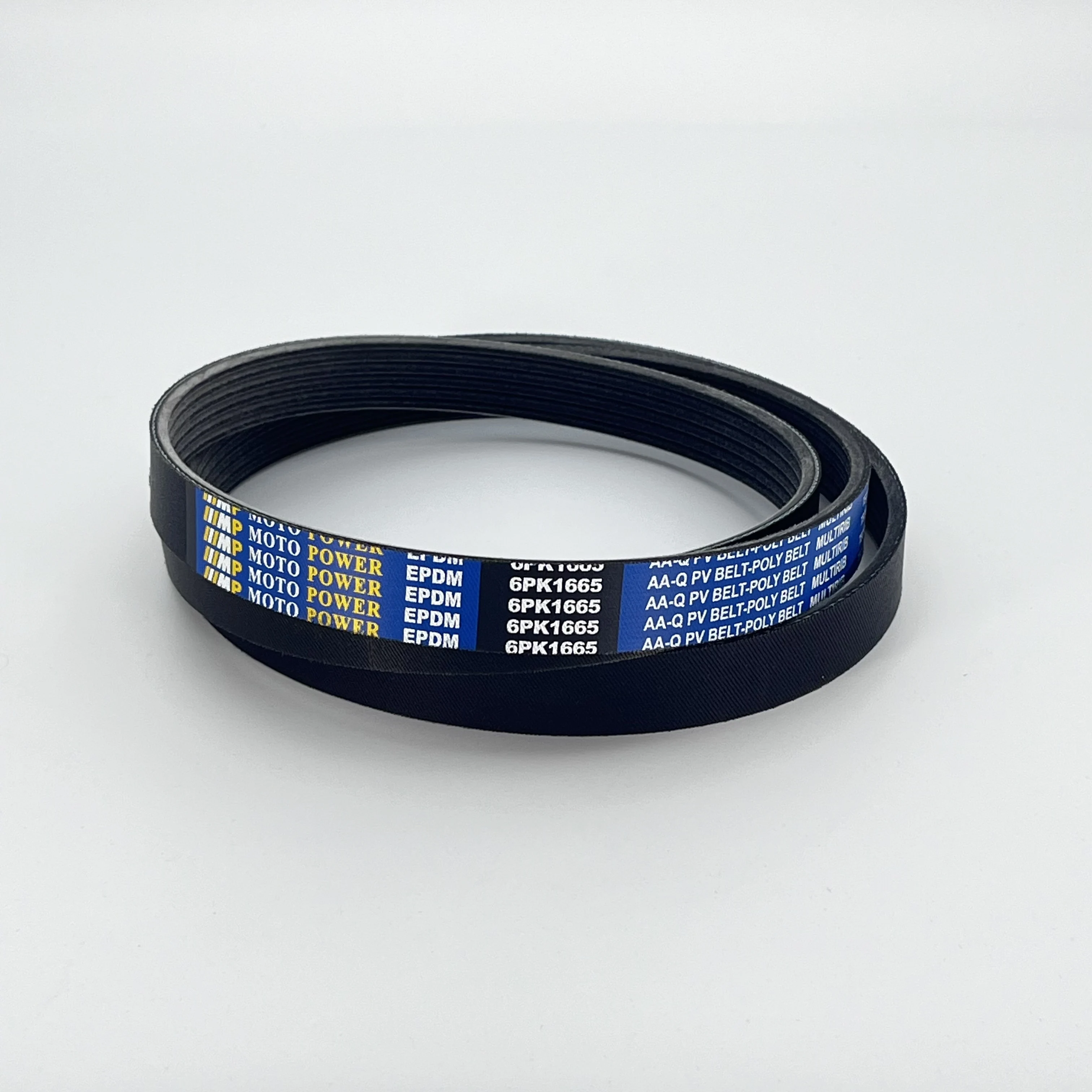
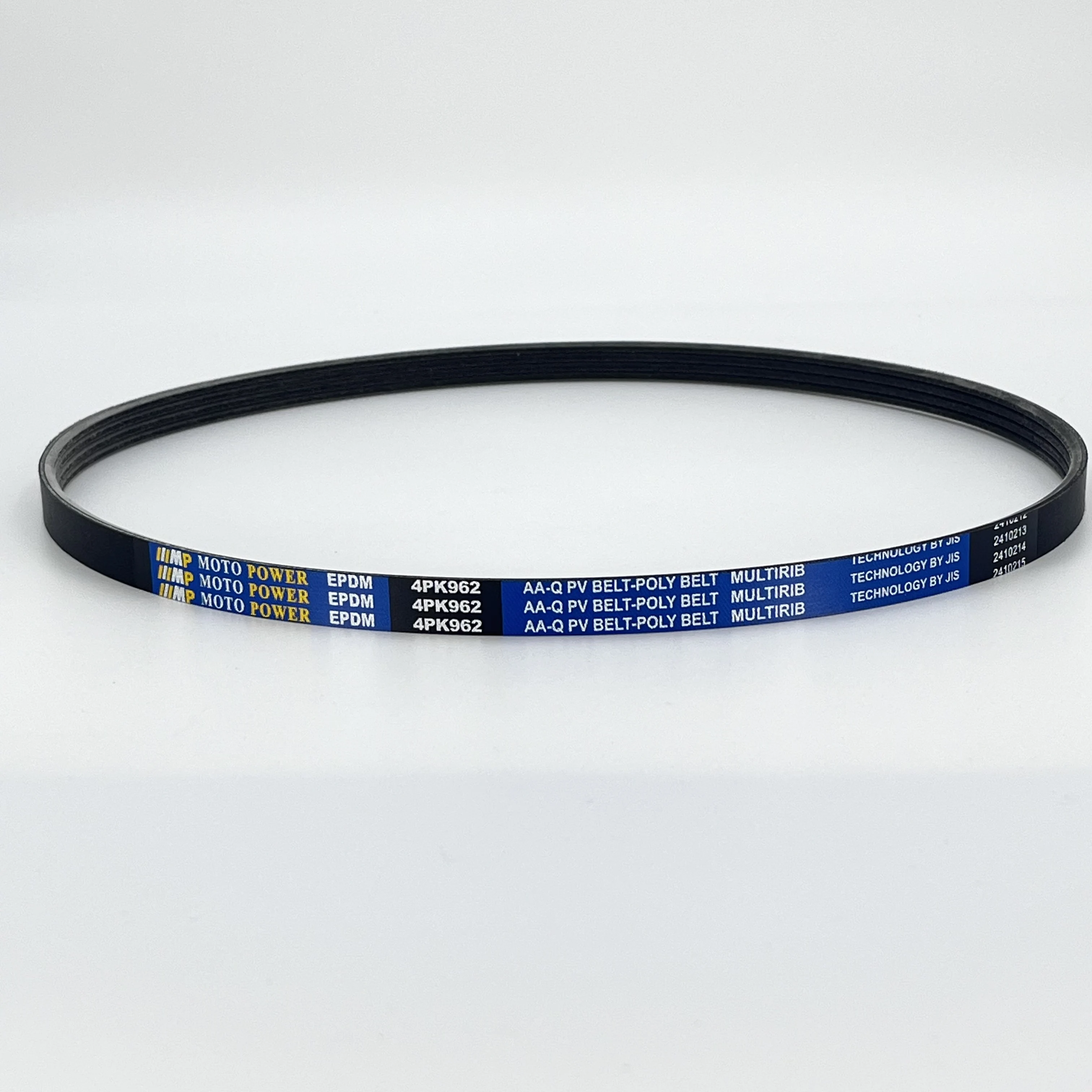
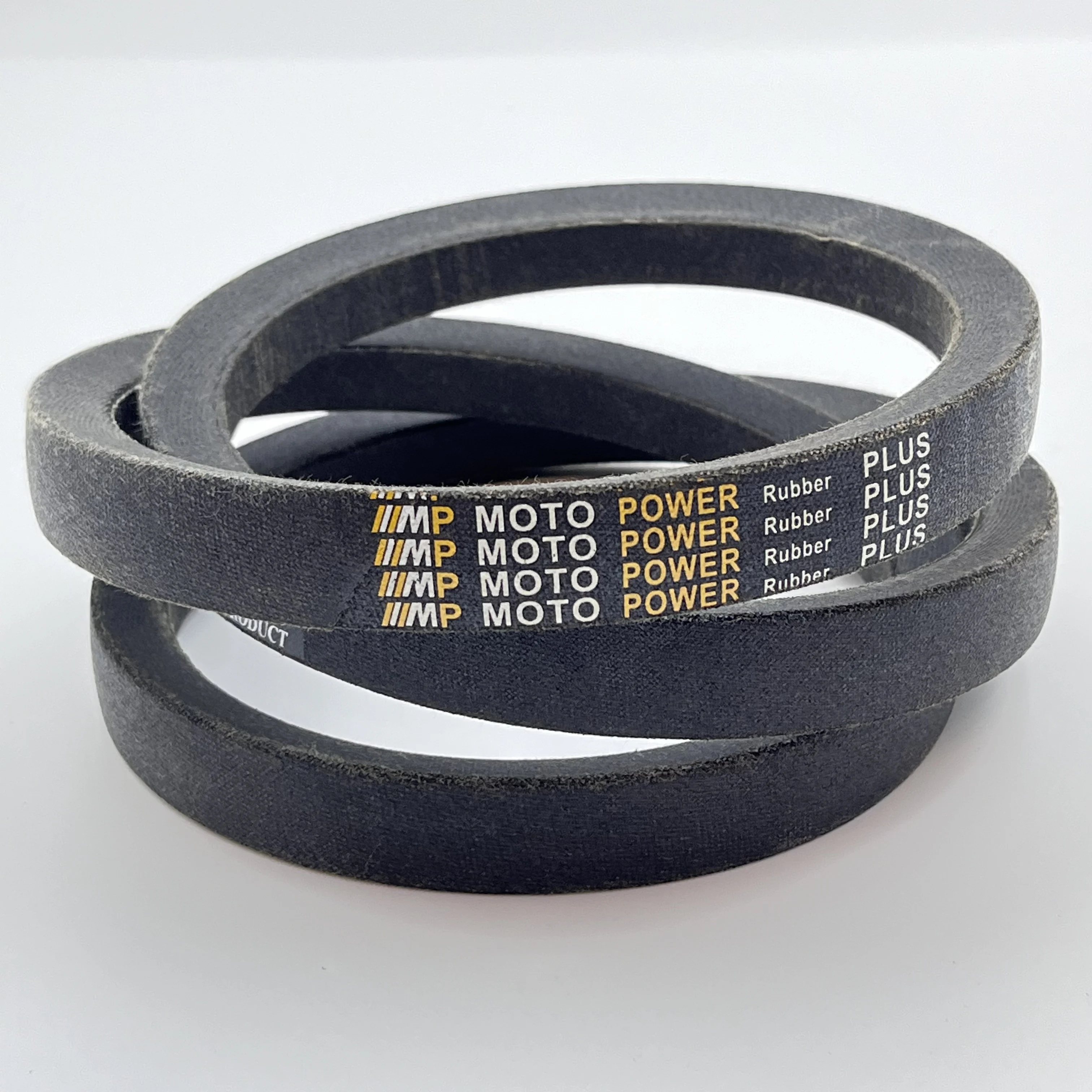
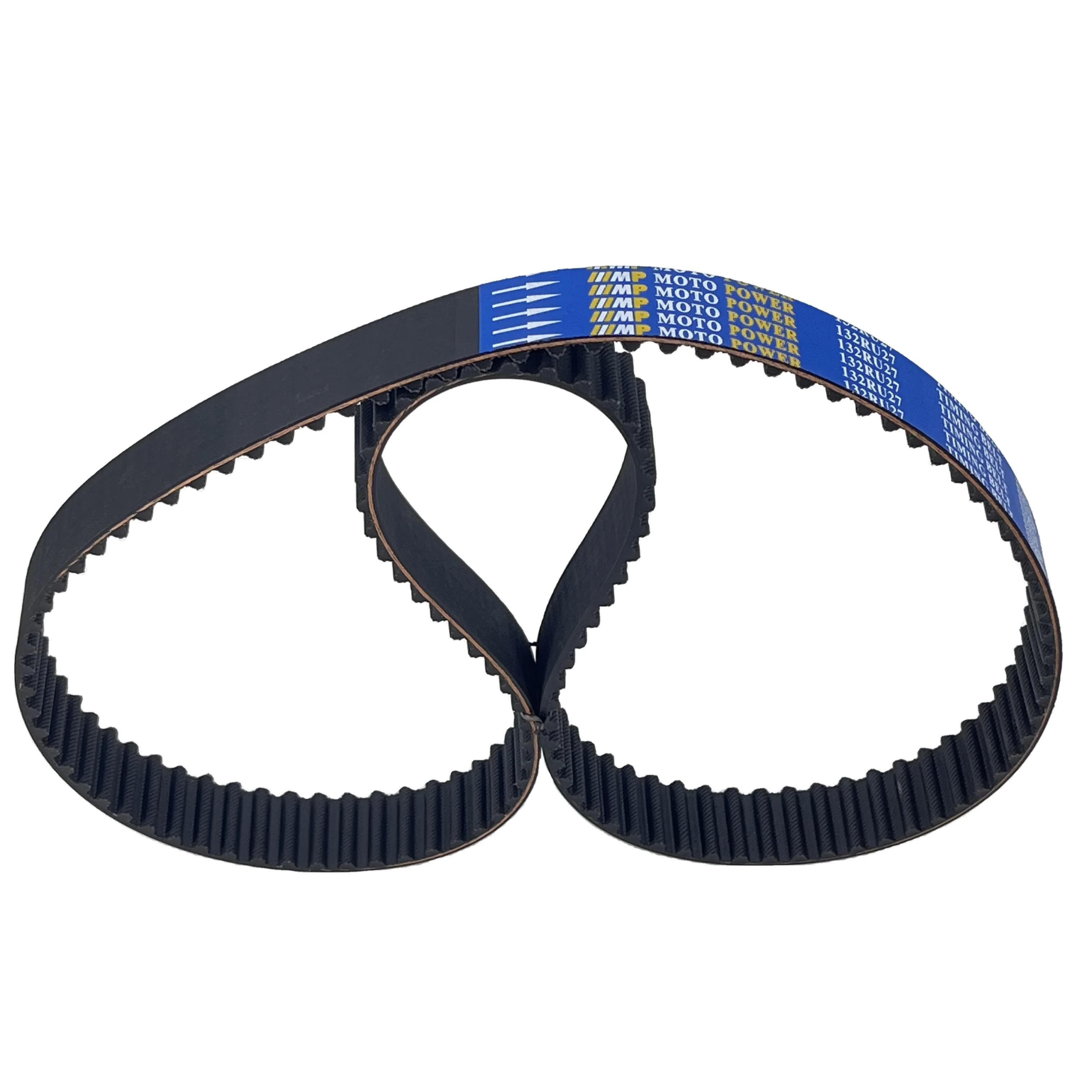
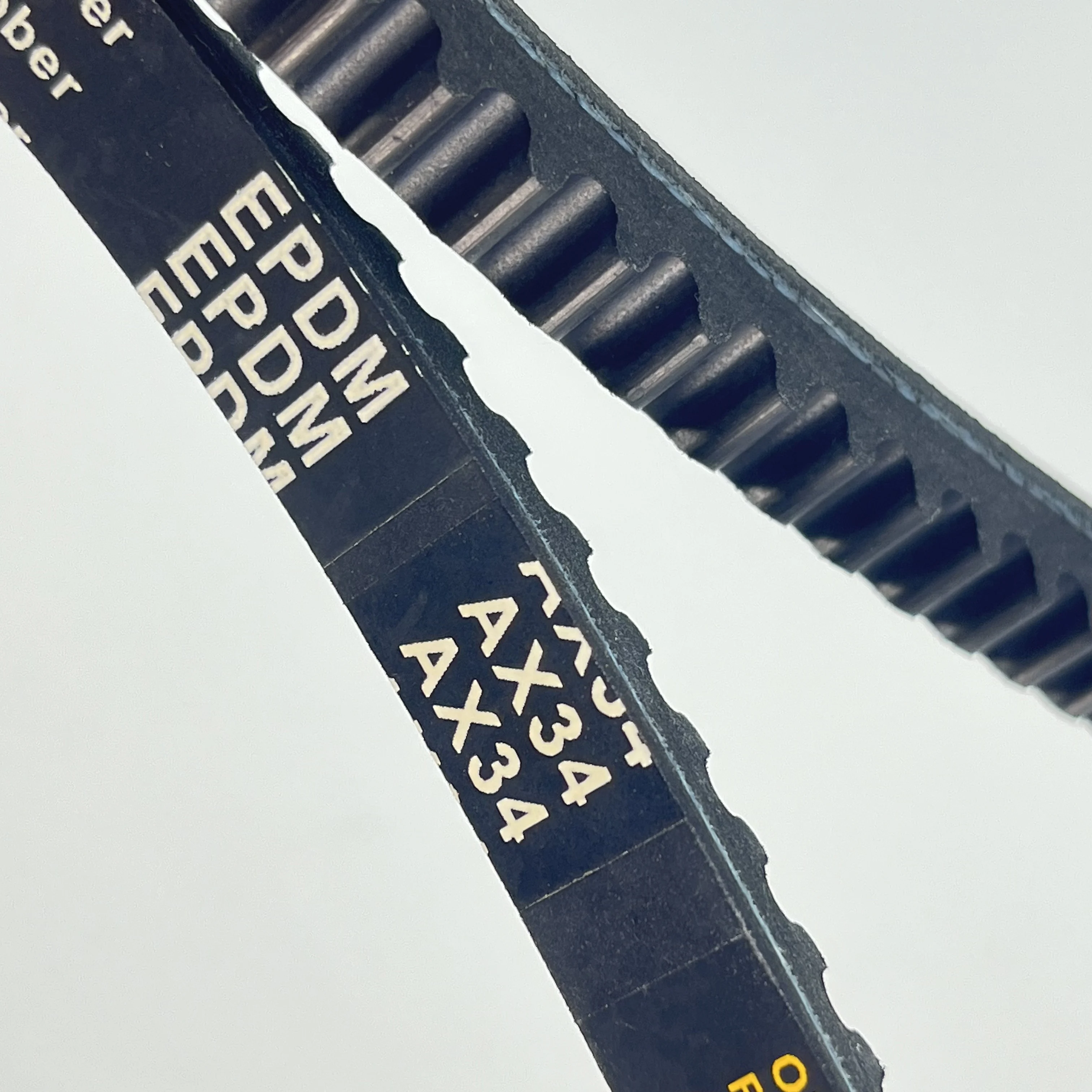
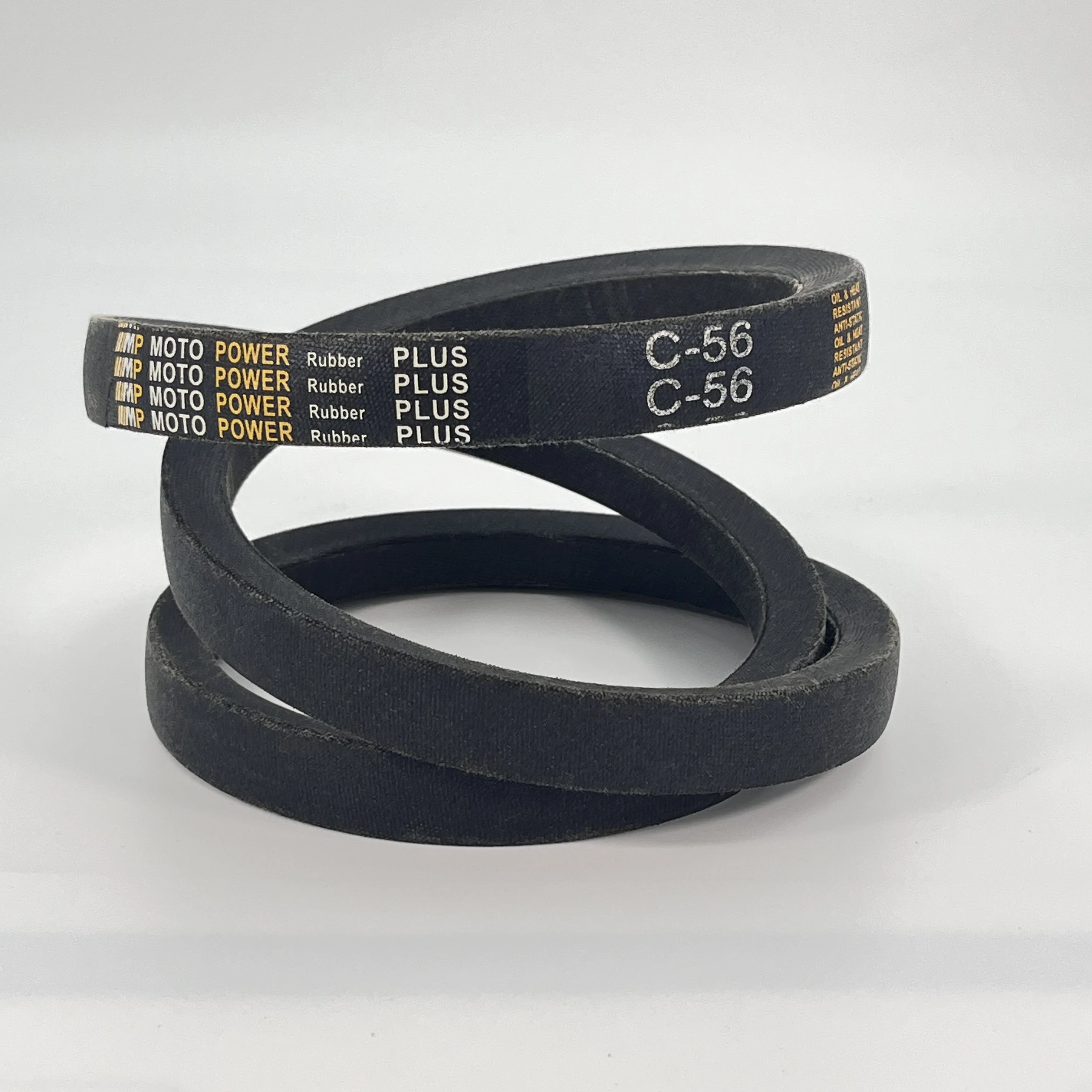
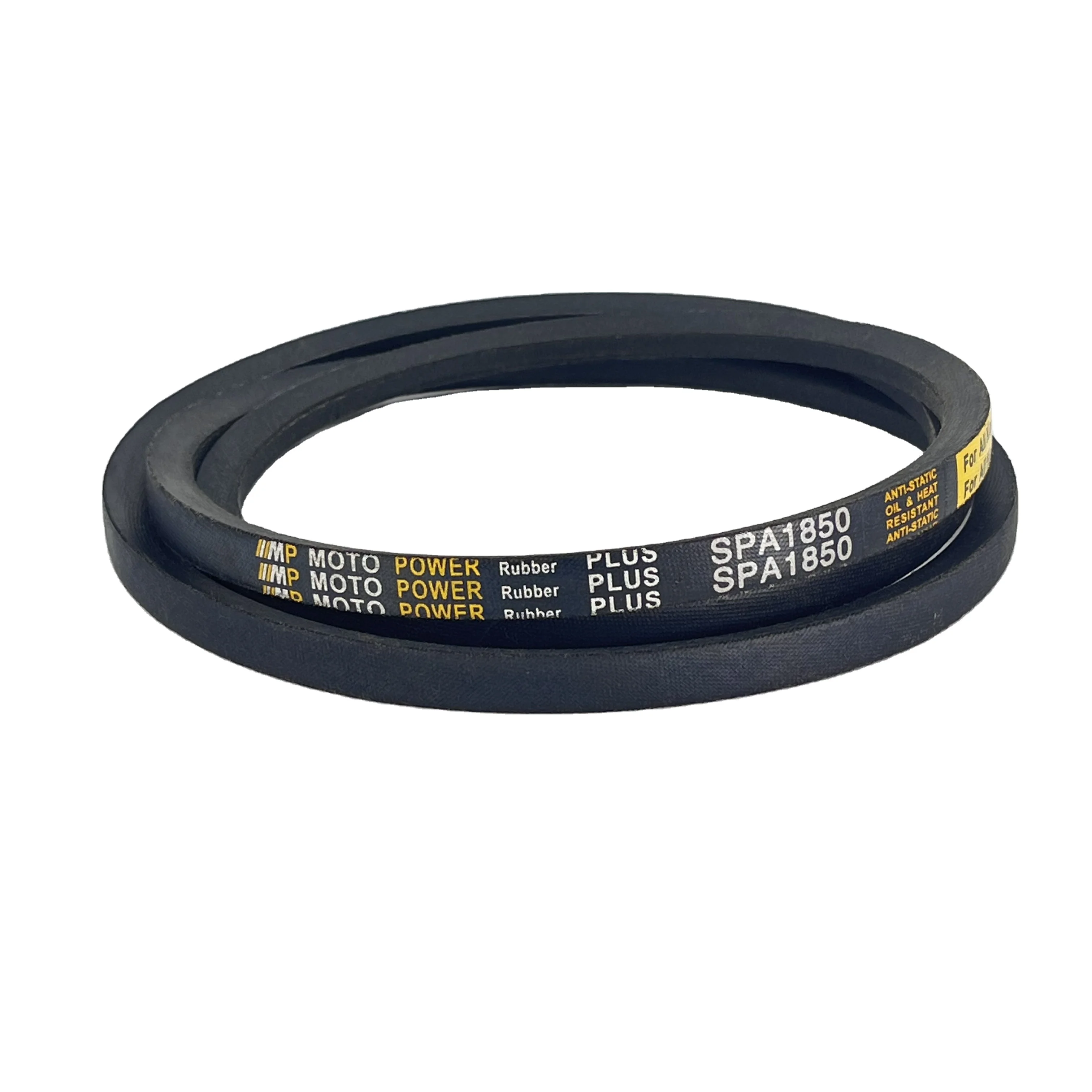
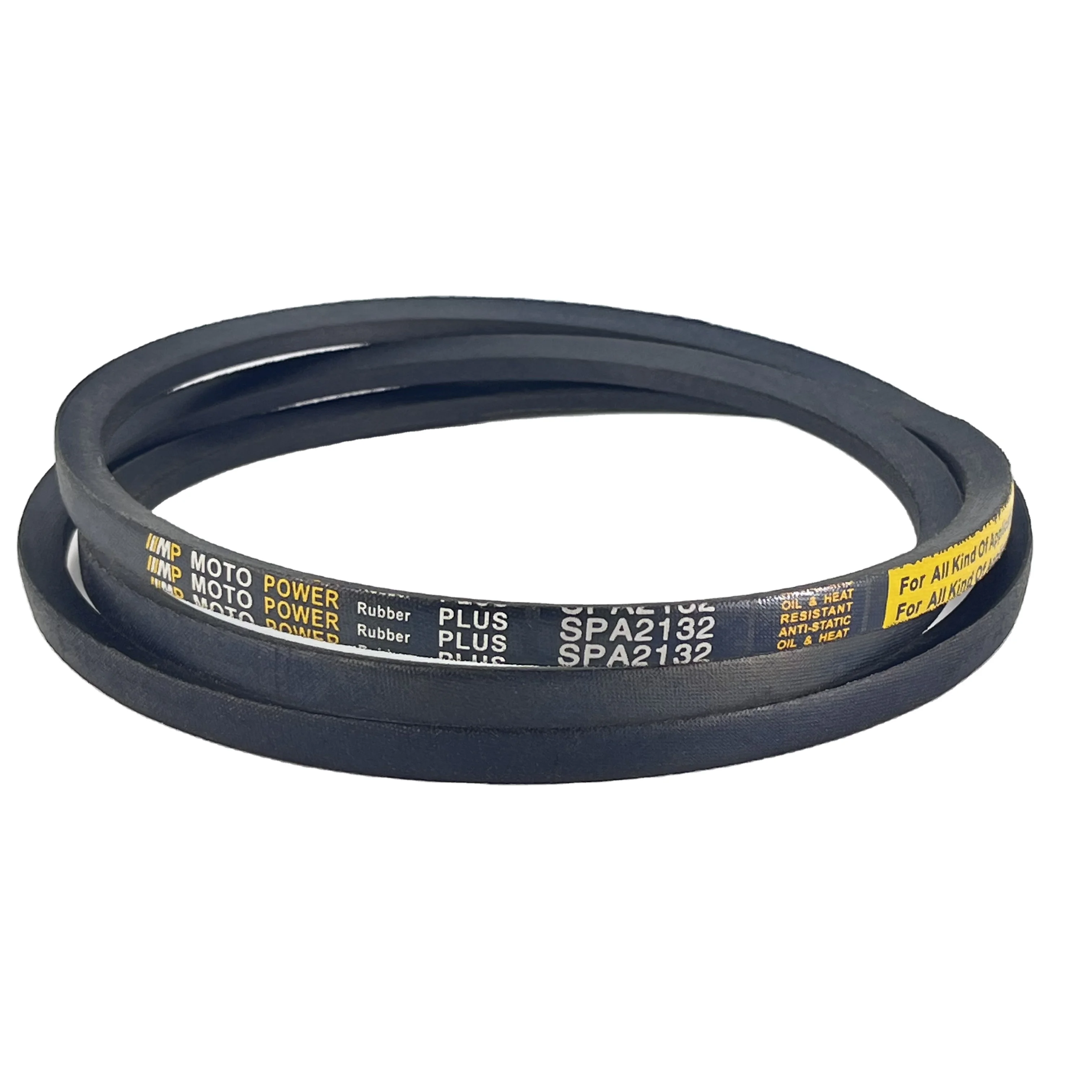
There are V-ribbed belts in the motor of your vehicle. They support the smooth operation and drive of your automobile., we shall be discussing the reasons why it is better to switch to a V-ribbed belt, how to maintain it, how it varies when compared with old belts and Their place, its importance to replace it on time and how does this bring Millage in your car
The advantage of moving to a V-ribbed belt is durability and longevity over a standard belt. This toothed rubber drive belts will also mean that you never need to buy it as frequently and can save time and money in the long term. V-ribbed belts are engineered to minimize slippage and are made more efficient, so your engine saves power and you save money. This could result in greater fuel efficiency and more horsepower for your car.
Checking the V-ribbed belt To ensure that the V-ribbed belt is still in good condition, you must inspect it regularly. Inspect for cracks, frays or other signs it might need to be replaced. You also want to check that it is correctly tensioned so it is functioning properly. If it abrasion resistant conveyor belt appears that your V-ribbed belt is not holding up its end of the bargain, make sure to have a mechanic look your vehicle over.
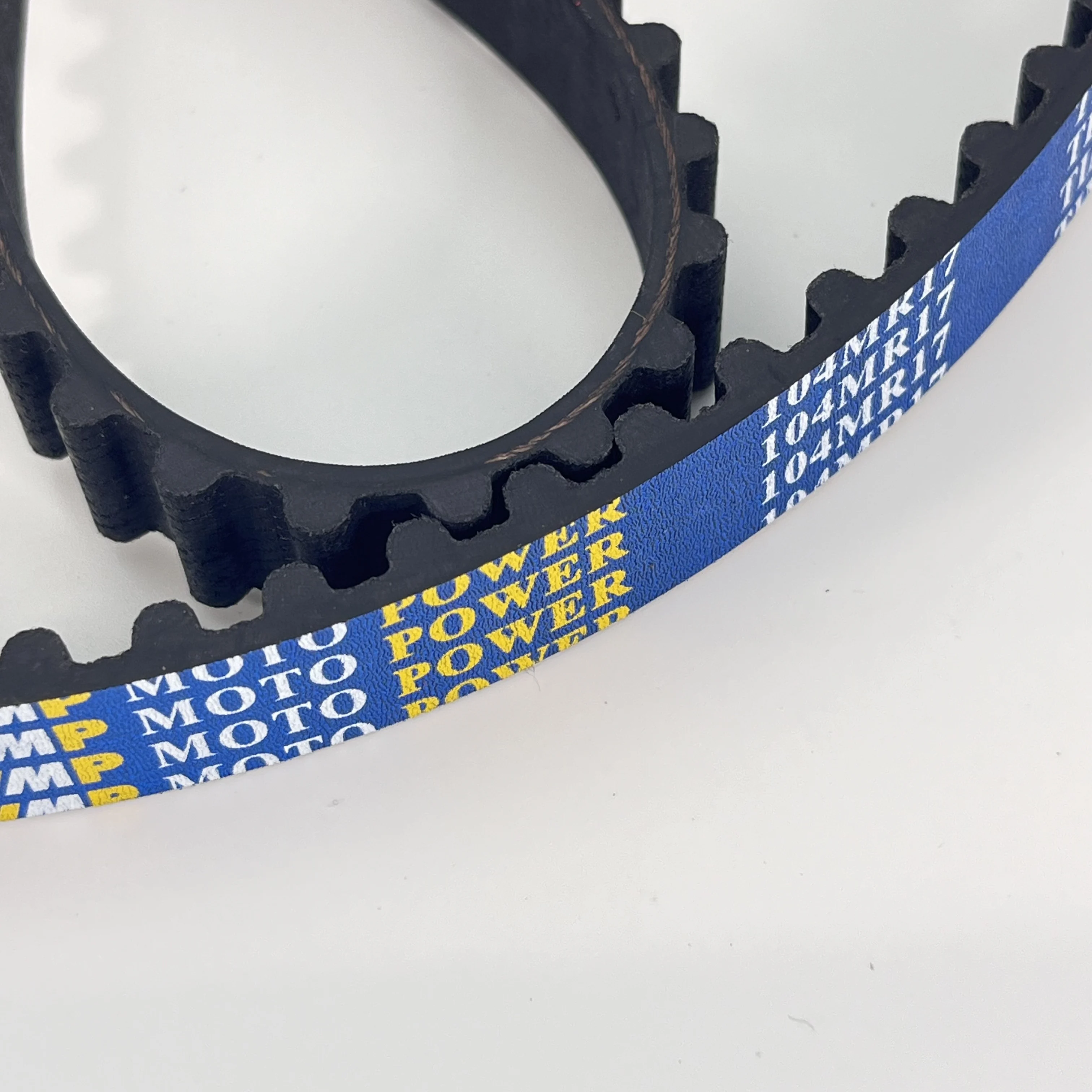
Both your car’s serpentine belt and V-belt are essential to keep the car running, but they work in subtly different ways. Multi Ribbed Belts: Multi rib belts have many grooves in the underside which makes it grip better and reduces the power loss due to slippage. This elastic rubber belt may result in improved performance and fuel economy in your automobile. V-ribbed belts, in contrast, are smoother and they may not last as long or offer as good performance compared with standard belts.
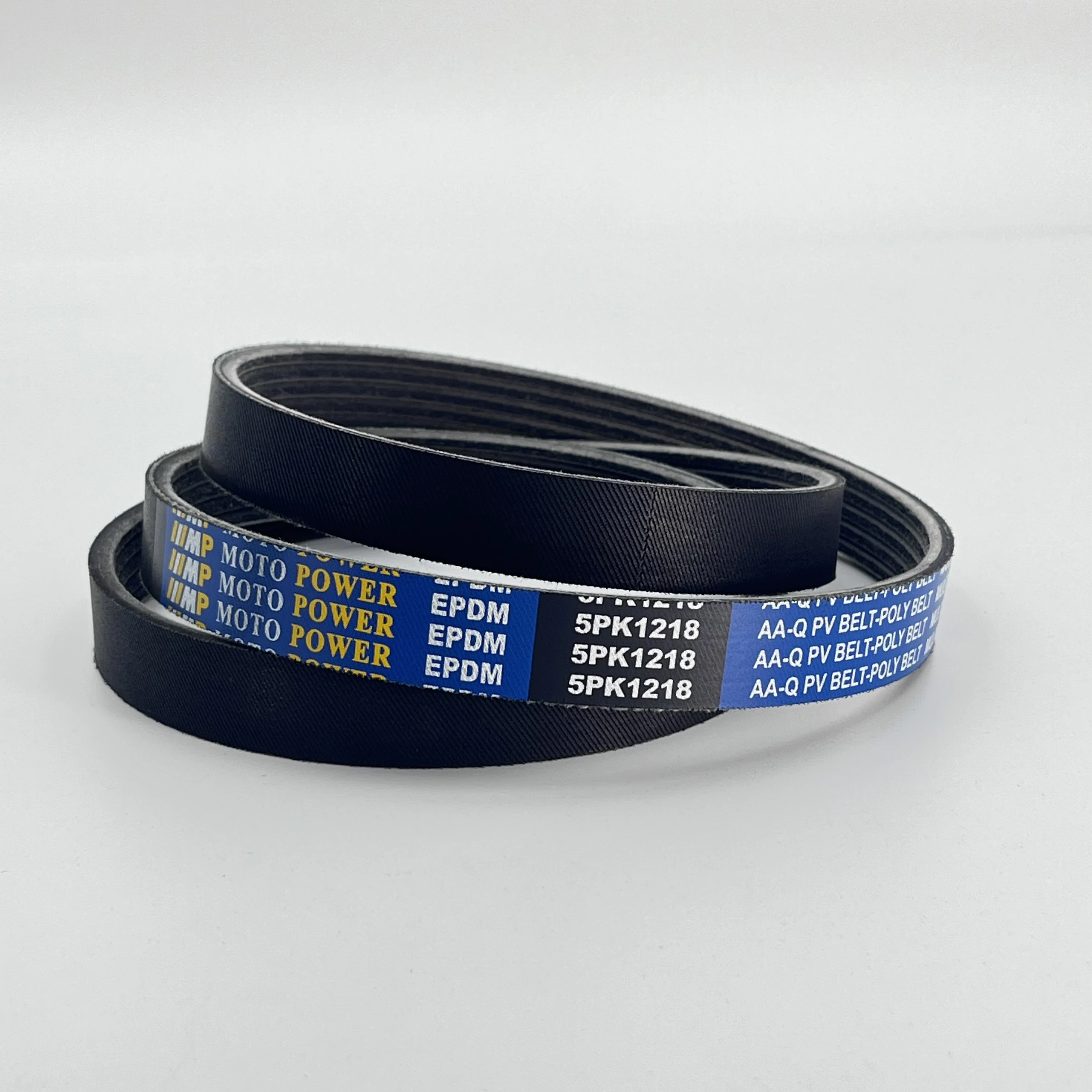
It's essential to replace your v-ribbed belt on time to avoid further damage that can lead to high repair bills. It is possible for you to be driving when your belt snaps, at which point you could potentially cause severe damage to thick rubber belt your engine or other parts of your vehicle, should you not be able to restore this to its former working condition. You can prevent these problems and keep your car running smoothly by replacing your belt on time. Your V-ribbed belt should be replaced at around 60,000-100,000 miles, but refer to your car’s user manual for exact mileage intervals.
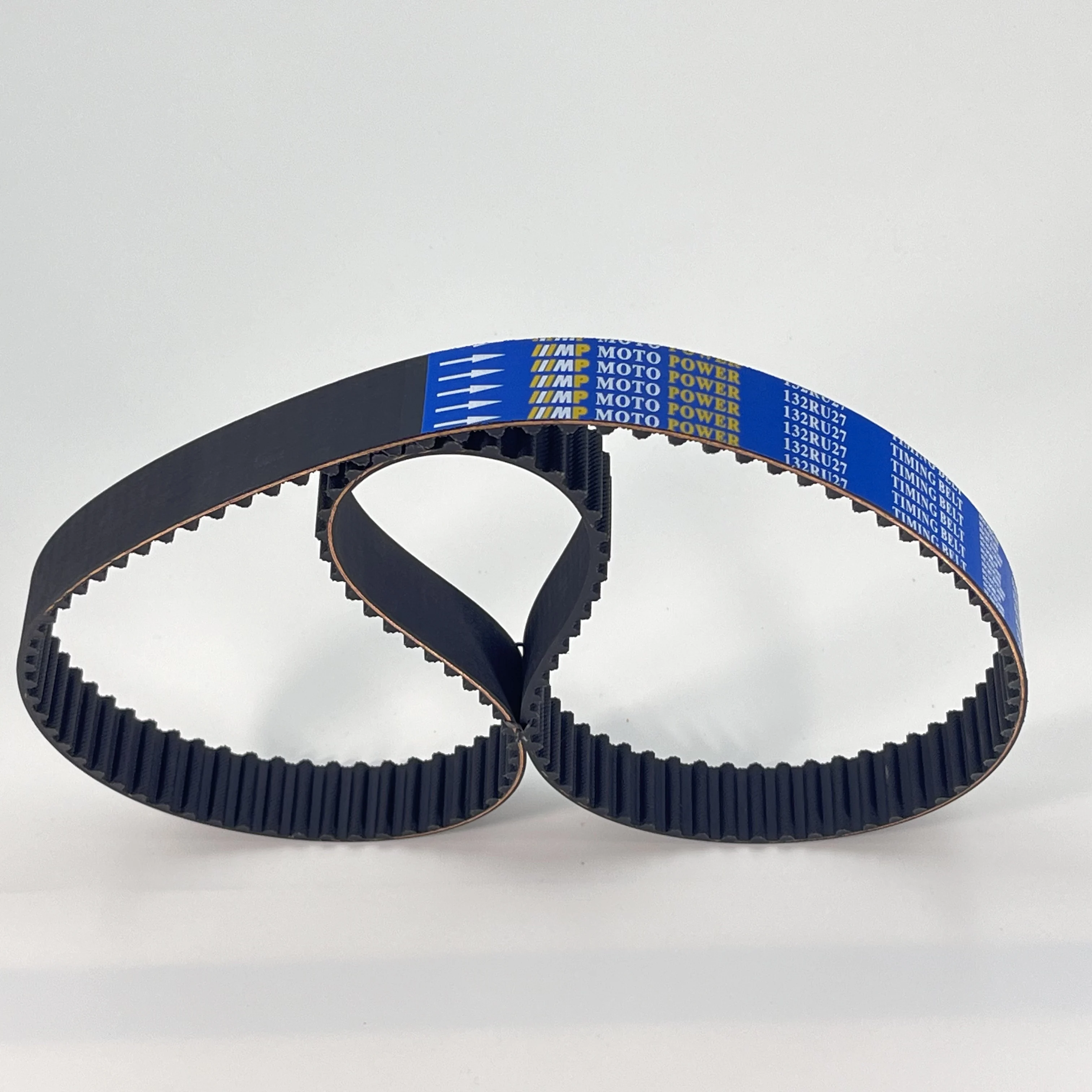
V-ribbed belt V-ribbed belts are in some cases special belts in most engine systems that propel many accessories. V-ribbed belts minimize slippage and help solution side OVs operate more effectively. This rubber transmission belt can result in better fuel economy, more horsepower and improved performance for your car. If you interested in keeping your car in tip-top shape, though, switching to a V-ribbed belt is a great idea.
With a 45,000-square-meter facility and an annual production capacity of 11 million pieces, our operations are supported by a specialized R&D team of 20+ experts and over 60 patented technologies, ensuring precision engineering and high-volume reliability for both OEM and aftermarket clients.
Adhering to international standards with traceable production and rigorous quality control from raw materials to finished goods, we provide comprehensive after-sales support to ensure customer satisfaction, seamless cross-border logistics, and hassle-free long-term usage.
We offer full-service OEM/ODM collaboration—from custom R&D and prototyping to scalable manufacturing—backed by professional technical consultation and tailored product selection to meet specific client requirements and application challenges.
Our rubber belts are engineered for superior performance in demanding conditions, combining durable materials and innovative designs to deliver longer service life, reduced downtime, and cost-efficient operation for industrial power transmission applications.

Moto Power supplies premium rubber belts including Classica V-Belt, Cogged V-Belts, Poly Ribbed V-Belt, Timing Belts and more.
No. 588, Tiantong (S) Rd, Yinzhou, Ningbo, Zhejiang, China
Copyright © Ningbo HZ International Trade Co., Ltd. All Rights Reserved - Privacy Policy - Blog
 EN
EN